Short Summary
The importance of soft skills for campus placement is increasing as employers are looking for candidates who are not just smart but also good at working with people.
Things like talking clearly, working well in a team, being able to adapt, understanding people’s feelings, and managing your time are all vital for landing a good job.
Students at Takshashila University receive training and real-world experience to assist them in blending their professional behaviours to increase their chances of being hired and to prepare them for situated interviews or beginning their careers.
Introduction
Getting a fresher’s role at a University means having a set of soft skills for campus placement success. Academic achievements and technical knowledge will always be a consideration for employers in the selection process; however, employers are now seeking individuals who develop and prove their proficiency in all areas of soft skills.
These include communication skills, working with individuals, teams, and groups; adapting to changes within the organisation; and professionalism. Those who can provide strong soft skills are more likely to impress recruiters.
Apart from teaching and preparing students in developing technical skills, Takshashila University places emphasis on developing soft skills for students to allow them to be successful during the interview process and early stages of their careers.
In this blog, we will discuss the most important soft skills that every fresher should possess and how mastering them can markedly improve one’s placement outcome.
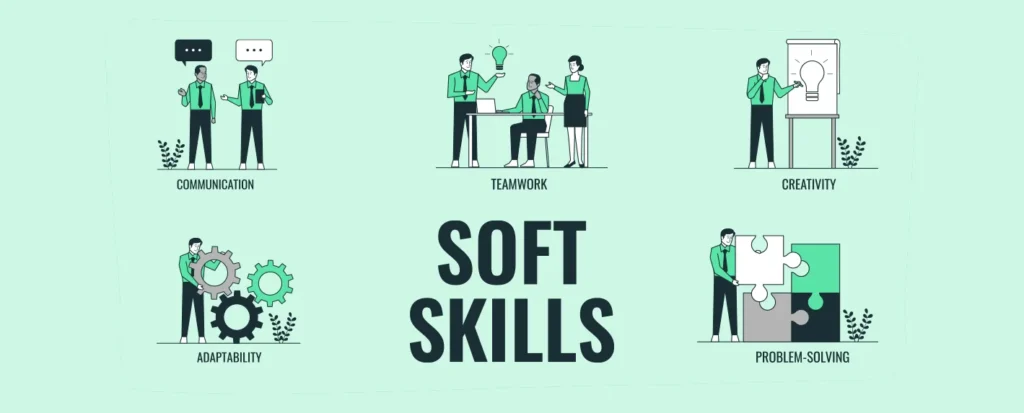
Why Soft Skills Matter More Than Ever
Today’s workplace is constantly changing, highly technology-driven, and requires a strong level of collaboration with other workers.
Therefore, organisations are not only looking for individuals to carry out a technical function, but also to have a developed sense of professionalism while working in a diverse, complex, and fast-paced environment. Instead, they want professionals who can interact well with colleagues, handle challenges calmly, and contribute positively to team culture.
According to LinkedIn’s Global Talent Trends report, 92% of hiring professionals believe that soft skills are equally or more important than technical skills when recruiting graduates.
This clearly highlights the growing importance of soft skills for campus placements in shaping recruitment decisions. During placement drives, many candidates possess similar academic profiles.
A confident communicator with a positive attitude and good interpersonal skills is more likely to be selected than someone who lacks these qualities, even if their marks are marginally higher.
What are soft skills, and what is included in them?
‘Soft skills’ refer to a set of personal attributes, social abilities, communication, and emotional intelligence of an individual. This enables them to work effectively with others in a team within the organisation.
Some core components of soft skills for campus placements include:
- Communication skills
- Teamwork and collaboration
- Problem-solving ability
- Adaptability
- Time management
- Emotional intelligence
- Leadership potential
These skills reflect a candidate’s professionalism, maturity, and readiness for the workplace.
Essential Soft Skills for all individuals
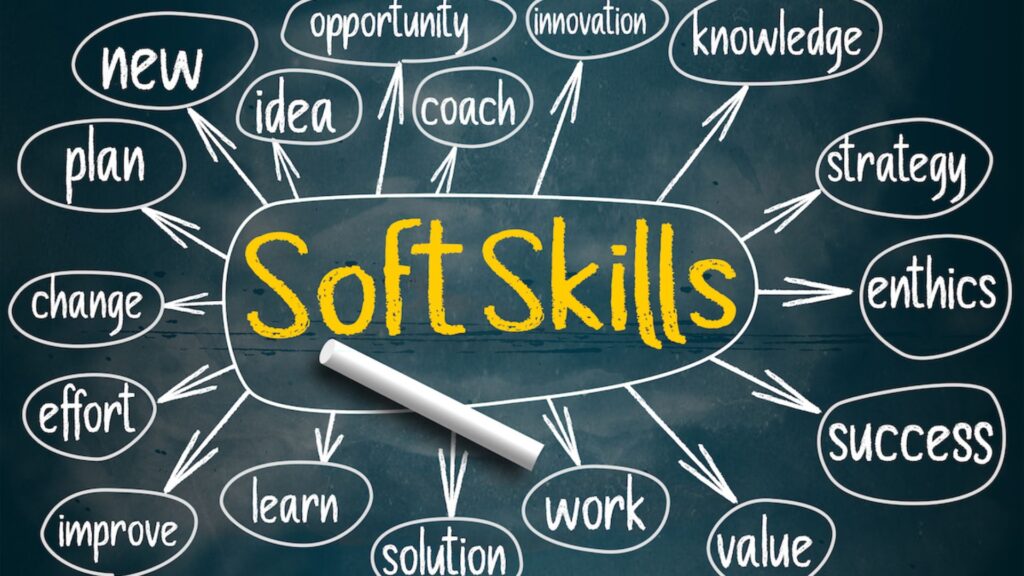
- Effective communication skills
Communication is one of the most critical soft skills for anyone going for a placement drive. Recruiters assess how well candidates express their ideas, respond to questions, and engage in discussions.
One who has appropriate body language, speaks clearly and confidently during the interview, and listens attentively to the questions and responds instantly has strong communication skills.
They can also write professional emails and reports, and their thoughts are very clear so that others can easily understand their concern.
Candidates who communicate logically and respectfully tend to leave a lasting impression.
- Teamwork and collaboration
Working within a company always requires teamwork skills; employers prefer freshers who can work harmoniously with others, respect different viewpoints, and contribute constructively.
When talking about soft skills for campus placement, companies always look for candidates who can share responsibilities, resolve conflicts, encourage teamwork, and cooperate with others.
- Problem-solving and critical thinking
As a fresher, you must have an idea of how to make decisions after analysing a situation. Employers want people who can assess circumstances, apply logical reasoning, and develop practical approaches to work.
These abilities are central to soft skills because real workplace challenges often require quick and thoughtful responses. This is observed during technical and HR rounds, when the interviewers present hypothetical scenarios.
- Adaptability and willingness to learn
No matter which industry you will be going into or which stream you are coming from, if you have the willingness to learn, you can easily pass the interview.
The modern workplace evolves rapidly due to technological advancements and changing business requirements. Students who respond rapidly to change and continue to learn are very desirable.
Adaptability is therefore one of the most important soft skills for campus placements.
- Time Management
Placement seasons can be stressful, with multiple interviews, assessments, and deadlines. Candidates who manage their time efficiently perform better under pressure.
And skill can be built during university, as students have to deal with a lot of things at one time; if you understand how to prioritise tasks and meet the deadline, you can easily survive in the industry.
If you cannot manage your things and tasks promptly, then it will be difficult for you to add productivity to the organisation.
- Emotional Intelligence (EQ)
Emotional intelligence is the ability to understand and regulate one’s emotions while empathising with others. High EQ helps candidates remain calm, confident, and respectful in challenging situations.
If you can handle rejections, think before responding to any criticism, and maintain your composure during stress, then you will be appreciated by the recruiters.
It is said that strong EQ enhances overall employability and workplace relationships.
You can consider a common scenario where two engineering students with similar academic records appear for an interview. One answers confidently, listens carefully, and engages politely with the interviewer.
The other struggles to articulate thoughts and appears nervous. Despite equal technical knowledge, the first candidate is more likely to receive the offer.
This scenario highlights the impact of soft skills for campus placements. Which we at Takshashila University understand well, and then we prepare our students with all these essential skills.
How to Develop Your Soft Skills As a Freshman
Soft skill development for placement requires continuous commitment as well as self-awareness on behalf of the individual, such as:
- Be active in campus life
You can enhance your leadership, communication, and teamwork skills as a freshman by joining clubs or societies and participating in student councils, etc.
- Attend a skill development workshop.
Students should take advantage of the university’s training sessions available to freshmen in public speaking, interviewing skills, personality development, etc.
- Mock interview practice sessions
Regular mock interviews help students become more confident as they prepare for the interview process and, at the same time, help them identify their weaknesses.
- Get real life working experiences
Internships, projects, and part-time jobs give the students the opportunity to get firsthand experience, which in turn helps them to develop professional conduct and problem-solving skills.
- Seek feedback for yourself and reflect on performance.
Mentors and coaches offer positive feedback, which directs the students to pinpoint the areas that need to be worked upon for them to keep on developing.
Takshashila University Empowering Future Professionals with Practical Skills
The career counselling session of Takshashila University focused on students’ aspirations, identifying strengths and areas for improvement, and greater self-awareness of strengths and limitations.
The university provides extensive research and resource database in the areas of Soft skills for campus placements, which includes getting a job, work-life balance, skills and qualities for career, office communication and etiquette, professional relationships, etc.
By sharing industry insights, providing expert guidance, and giving realistic career advice, we empower students to gain the necessary skills, such as confidence, professionalism, and flexibility, to succeed in the changing work environment. Technical skills get you noticed, soft skills get you hire Learn more with @TakshashilaCollege.
To wrap up
The technical skillset required by employers would not be the only determinant of whether an applicant will get hired.
Most employers want applicants with strong communication skills, teamwork ability, adaptability, and emotional intelligence who also have the technical skills needed.
If you are a fresher, you can increase your employability and career advancement by developing soft skills for campus placement.
All of this can be accomplished with practice and feedback and interacting with the professional world to become a confident, skilled, and prepared business professional.
Frequently Asked Questions About Soft Skills for Campus Placements Success
- What are some soft skills for campus placements?
Soft skills that are essential during placements are communication, teamwork, adaptability, problem-solving, emotional intelligence, and time management.
- Are soft skills more important than technical skills?
Technical and soft skills are both important during a professional journey. While technical skills can be similar among candidates, soft skills often determine final selection.
- How can I improve my soft skills as a student?
You can improve by getting along with other students, understanding their point of view, participating in college activities, gaining internships, and seeking feedback.
- Do recruiters really evaluate soft skills?
Yes. Recruiters evaluate soft skills during interviews or in group discussions, presentations, and behavioural questions.
- Can introverted students develop strong soft skills?
Yes, soft skills can be learned when you are continuously focused and improve them through practice and self-confidence.
- How early should students start working on soft skills?
Ideally, students should start developing soft skills from their first year of college to gain maximum benefit before placements.