
Introduction:
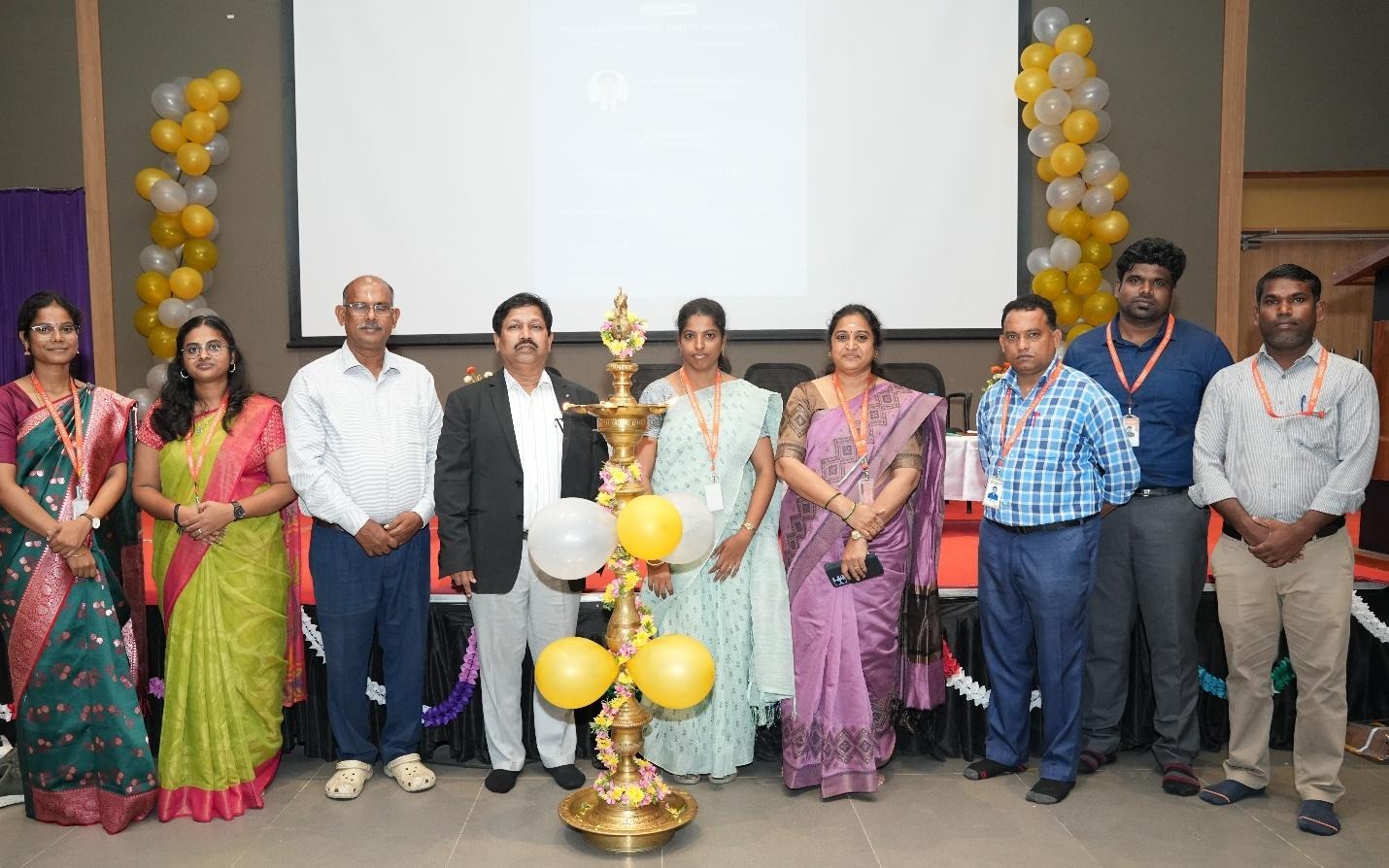
Takshashila University organised a seminar on Healing the Environment Through Science through the Department of Physics, School of Basic Sciences, on 27 October 2026 at 10:30 a.m. at the Multipurpose Hall. About 200 students from the School of Basic Sciences and Pharmacy attended, gaining a clear view of scientific approaches to environmental protection, pollution control, and sustainable development.
The seminar was held under the leadership of the Honourable Chancellor Shri M. Dhanasekaran, the Honourable Pro-Chancellors Shri D. Rajarajan and Dr. D. Nila Priyadharshini, the Honourable Vice Chancellor Dr. Vivek Inder Kochhar; and the Honourable Registrar Dr. S. Senthil. The event was also associated with Dr. S. Deepa, Dean, Faculty of Science, and Dr. R. Subramaniyan, Dean, Academic Affairs. The programme was graced by the Chief Guest Dr. Krishnamurthi Kannan, Scientist-G and Chair/Head of the Environmental Health and Toxicology Division, CSIR-NEERI.
Key Objectives of the Seminar:
The seminar aimed to create awareness among students and faculty members about environmental health and pollution control. It also introduced bioremediation, a method that uses microorganisms and other biological processes to remove or reduce contaminants in the environment.
Another goal was to highlight the role of scientific research and innovative technologies in protecting human health, restoring polluted environments, and promoting sustainable development.
Insights from the Chief Guest:
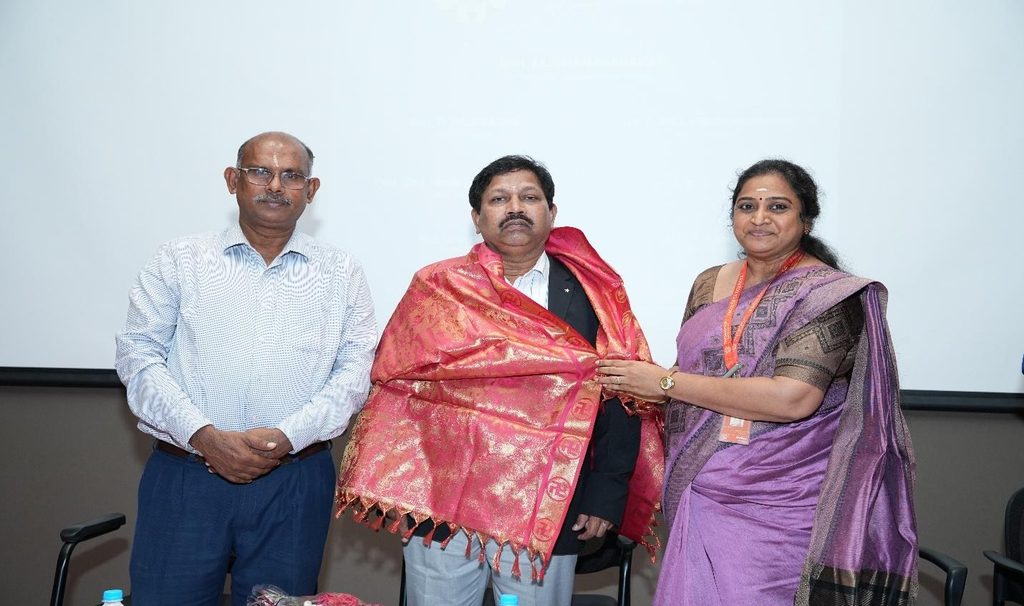
The Chief Guest address was delivered by Dr. Krishnamurthi Kannan, Scientist-G and Chair/Head of the Environmental Health and Toxicology Division, CSIR-NEERI. He shared his expertise on environmental health and toxicology, emphasising the value of scientific approaches in understanding environmental pollutants and their effects on human health and ecosystems.
His session also presented bioremediation as a practical, nature-based answer to contamination, linking laboratory research with real environmental challenges.
Impact of the Programme:
The seminar gave students and faculty members a strong platform to gain insights into current environmental challenges and explore scientific solutions.
Pharmacy students saw the connection between environmental toxins and human health. Chemistry and Biotechnology students understood the path from pollutant to biological remedy. Physics and Mathematics students gained a wider view of the scientific context around their own disciplines.
The programme encouraged students to develop environmental responsibility, scientific curiosity, and an interest in research related to environmental protection and bioremediation.
Conclusion:
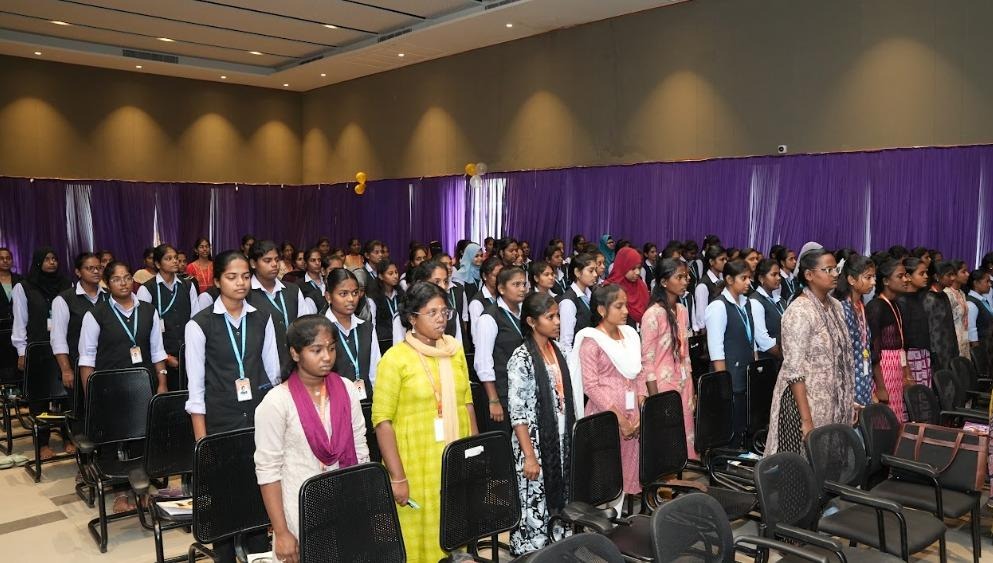
The seminar concluded with an emphasis on interdisciplinary scientific research, environmental awareness, and sustainable practices in safeguarding the health of people and the planet.
For the students of Takshashila University, the day offered a meaningful step toward becoming responsible scientists and professionals who care for the environment around them.
Bioremediation, nature’s way of healing the planet.@takshashilacollege