
Short Summary
Anaesthesia is an integral part of modern medicine that enables the performance of complex medical procedures without pain. Like other medical procedures, there are risks of anaesthesia.
To medical and healthcare students, the risks associated with anaesthesia and complications that may arise during the process are important considerations towards patient safety and professional training.
This article highlights the complications that may arise during anaesthesia, as well as how medical professionals mitigate these risks. Aslo have a look at 4 Levels of Anaesthesia
Introduction
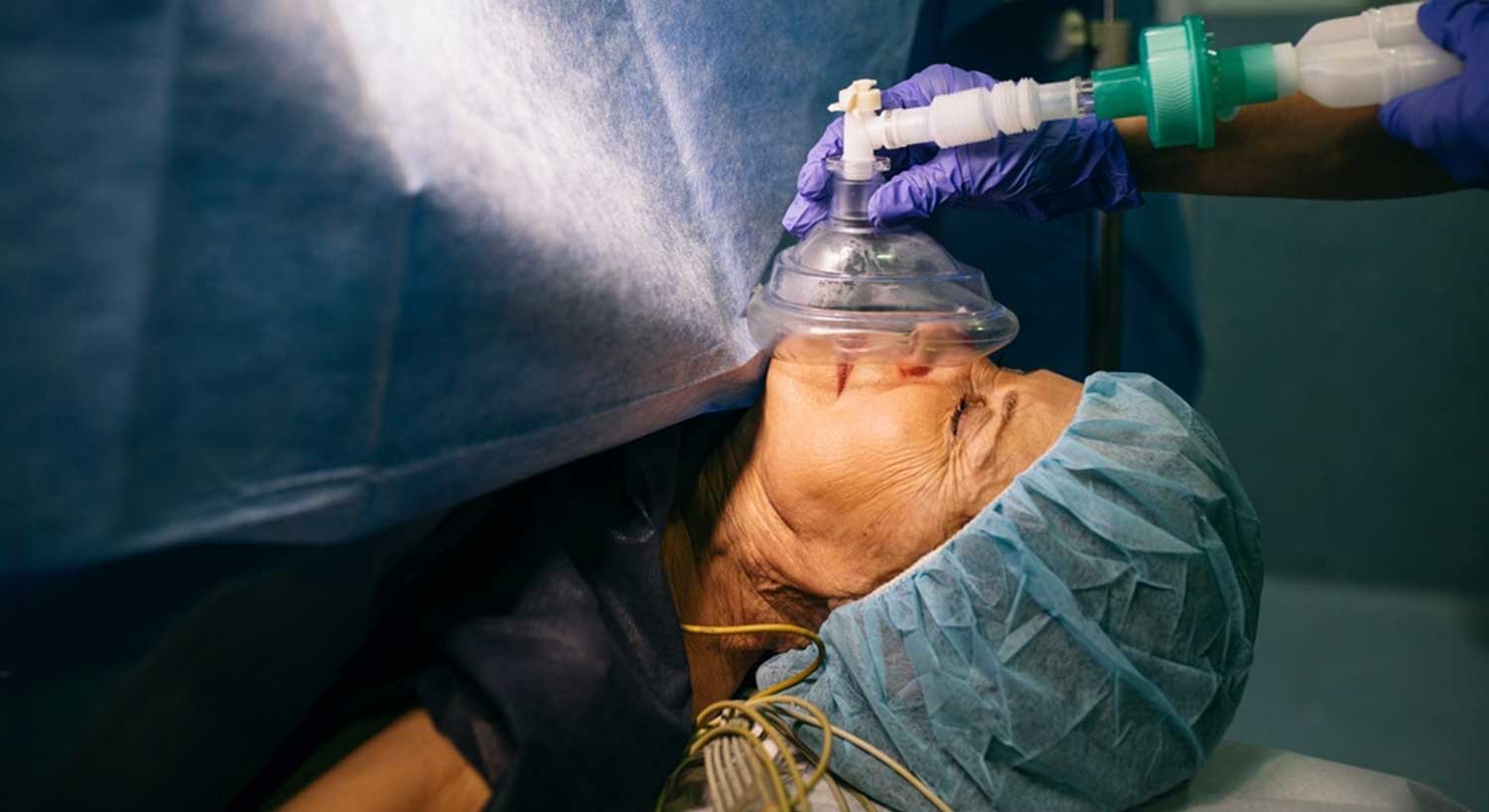
Every year, thousands of surgeries are performed safely with the help of anaesthesia. While modern medicine has reduced the risks of anaesthesia, healthcare professionals still have to carefully monitor patients to prevent possible problems.
Through the temporary suppression of pain signals and the control of the patient’s consciousness, anaesthesia helps doctors to carry out complex medical procedures with the patient comfortable and pain-free.
Although the practice of anaesthesia has become very common with high safety standards, there are some specific risks associated with the practice which might develop during and after the medical procedures.
These complications depend on the type of anaesthesia practice, the patient’s condition, and the complexity of the surgery. For the students studying medicine and healthcare sciences, the study of those risks involved with anaesthesia practice is an integral part of the curriculum.
For the future, medical practitioners will improve patient safety and make informed decisions about the practice; this blog will talk about those risks and how to overcome them.

Types of Anaesthesia and How They Work
Anaesthesia refers to the administration of medicine that prevents pain and discomfort during medical procedures. It may or may not cause unconsciousness.
There are several types of anaesthesia used by the professionals; these are:
- General anaesthesia is used to cause unconsciousness in the patients during surgery.
- Regional anaesthesia is to prevent the pain in a specific region of the body.
- Local anaesthesia is used to numb a small area of the body for better treatment.
- Sedation will help in relaxation or sleep during surgery.
Each form of anaesthesia has different complications associated with it. It is important that students who wish to pursue a career in medicine or healthcare understand them separately.
Why Do Anaesthesia Risks Occur?
Despite the fact that anaesthesia is safe, complications may occur because of several reasons. It can be because of:
- Patient factors
There are several patient conditions that may increase the risk of complications during anaesthesia. These include the age of patients, as elderly patients may be more susceptible to complications. If they have any heart or lung diseases or obesity or diabetes, or if someone smokes, then the risk will increase.
Patients with pre-existing medical conditions may need to be monitored more closely during surgery.
- Type and duration of surgery
Major surgeries or emergency surgeries may pose a higher risk of complications compared to minor surgeries.
- Anaesthetic drugs used
Anaesthetic drugs may have different effects on different people’s bodies. Some people may react differently to different anaesthetic drugs.
- Human or technical factors
In rare cases, complications may occur as a result of equipment failure or human error during surgery.
This provides an understanding of the reasons that may cause complications during anaesthesia and which patients may be at risk of complications during anaesthesia.
Research shows that the risks of anaesthesia are present in 0.6% of the population, whereas severe complications are extremely rare.
Common Risks of Anaesthesia
Most of the complications of anaesthesia are minor and temporary. These are the complications that the patient may suffer from during the post-surgery period.
- Nausea and vomiting
Postoperative sickness and vomiting is one of the common complications of anaesthesia. According to studies, 30% of patients suffer from this complication following a general anaesthetic. This complication may rise to 70 to 80% in high-risk patients.
- Tiredness and confusion
After the surgery, the patient may feel sleepy or confused due to the effects of the medications used.
- Sore throat
General anaesthesia usually requires the insertion of a breathing tube. This may cause irritation in the throat.
- Dizziness or headache
Feeling dizziness or headaches is temporary, but the patient will feel better in a short time.
- Muscle pain
Some of the medications used in anaesthesia may cause pain in the muscles.
Some serious Anaesthesia Risks but Rare
There are certain other risks that come with anaesthesia; these are rare but can be life-threatening.
- Severe allergic reaction (Anaphylaxis)
After giving anaesthesia, there will be some severe allergies in some patients. These are rarely found, like 1 in 10,000 cases.
- Breathing problems
Some of the patients may experience breathing difficulties due to airway obstruction or lung complications.
- Nerve damage
Some regional anaesthesia procedures may sometimes affect nerves. Permanent nerve damage is extremely rare and occurs in approximately 2–4 cases per 100,000 procedures.
- Brain damage or stroke
Sometimes the patients may face strokes and brain damage that are extremely high-risk. But don’t worry, these complications are extremely uncommon.
- Death
Anaesthesia-related deaths are very rare. Studies show that death directly caused by anaesthesia occurs in approximately 1 in 100,000 procedures for healthy patients.
How Doctors Reduce Anaesthesia Complications
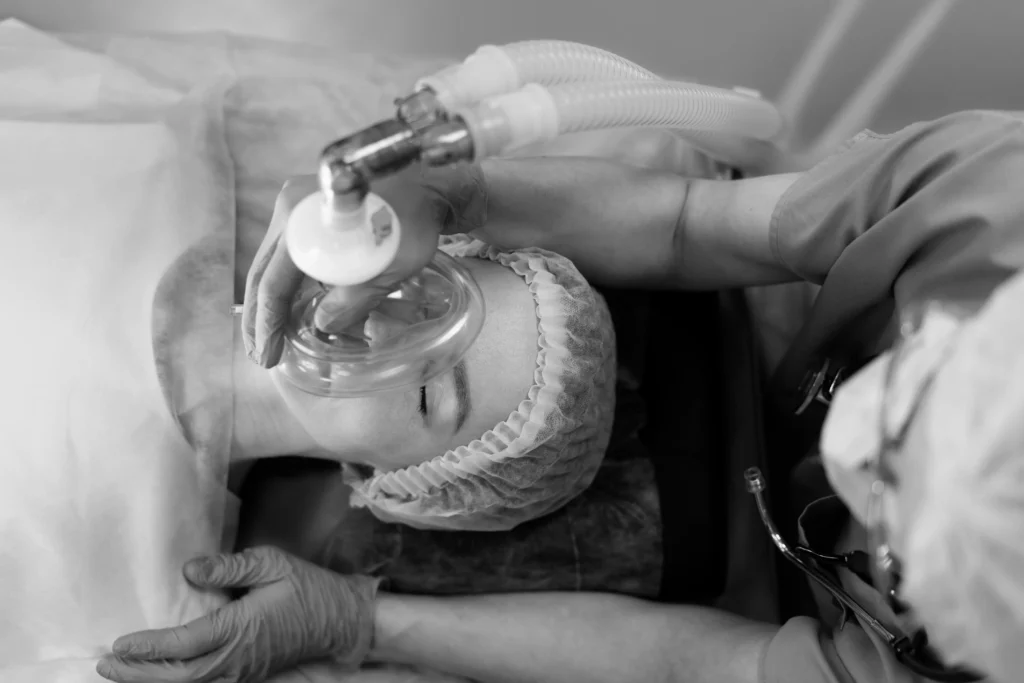
Doctors follow strict measures to prevent the occurrence of such complications.
- Pre-operative assessment
Doctors examine the medical history, allergies, and medications of the patient before the surgery.
Advanced monitoring
Advanced technology is used to monitor the patient’s health during the surgery. This includes:
- Heart rate
- Blood pressure
- Levels of oxygen
- Breathing
- Specialised training
Doctors specialising in the use of anaesthesia are well-trained to handle such situations.
- Post-operative care
Patients are monitored until the effects of the anaesthesia are gone. Due to the measures put in place, the use of anaesthesia is much safer today compared to what it was decades ago.
Why Medical Students Must Understand Anaesthesia Risks
In the case of healthcare students, the risks associated with anaesthesia need to be understood for several reasons:
- Improving patient safety
- Informed clinical decisions
- Clear communication of risks to patients
- Early identification of complications
- Assisting the surgical team
There needs to be a balance between the benefits of surgery and the risks associated with anaesthesia.
Developing Healthcare professionals at Takshashila University
At Takshashila University, we aim to ensure that students receive a proper grounding in medical and healthcare education with both theoretical and practical experience.
This ensures that students understand the challenges that face the medical field and that they have the necessary skills to succeed.
By studying important topics like anaesthesia complications that can occur with anaesthesia and patient safety, students can gain the necessary knowledge to succeed as a medical professional in the real world.Follow Takshashila University on Instagram for campus updates, student achievements, and academic insights: @takshashilauniv
To Sum up
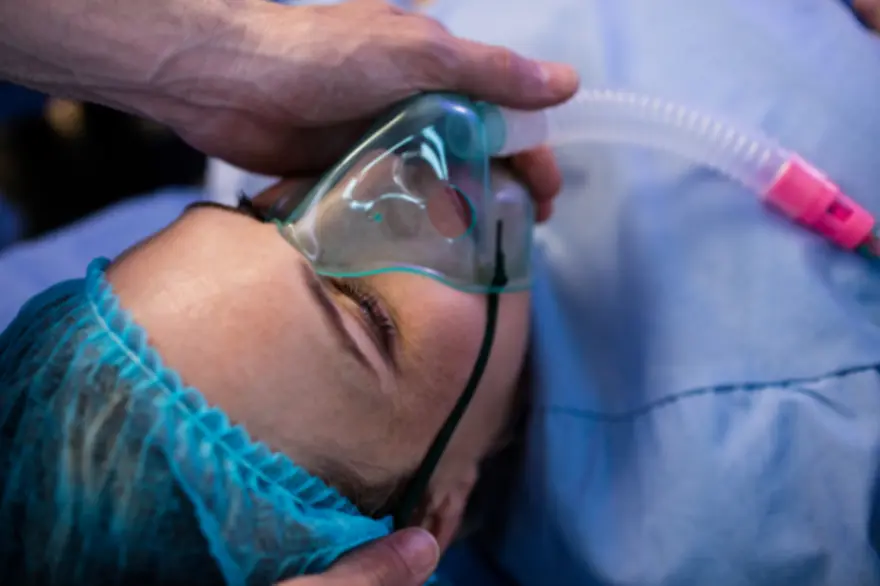
Anaesthesia plays an essential role in modern medicine, enabling complex medical procedures to be undertaken comfortably and safely for the patient. While there are some risks of anaesthesia, it should be noted that these are generally minor and temporary.
In addition, serious complications are rare because of modern monitoring techniques, advances in drugs, and highly skilled anaesthesia professionals.
For healthcare students, it is vital to comprehend these risks in order to provide a safe system of healthcare with the requisite knowledge and skills to provide a safe system of healthcare in relation to anaesthesia.
FAQs About What Are the Risks of Anaesthesia
1 What are the most common risks of anaesthesia?
Nausea, vomiting, dizziness, sore throat, and temporary confusion after the operation are the most common risks associated with
anaesthesia.
2 Are anaesthesia complications common?
Anaesthesia complications are mild and temporary. However, serious complications are extremely rare in modern medical practice.
3 Can patients wake up during surgery?
Yes. However, this is extremely rare. This phenomenon is referred to as awareness during anaesthesia. This happens in only 0.1 to 1 per cent of cases.
4 Who is at higher risk of anaesthesia complications?
Elderly patients, patients with chronic health conditions, and emergency surgical patients may be at a higher risk of anaesthesia complications.
5 How safe is anaesthesia today?
Anaesthesia is now a very safe practice. The mortality rate due to anaesthesia alone is only 1 in 100,000.
6 What causes postoperative nausea and vomiting?
It is normally caused by anaesthetic drugs or the body’s response to surgery.
7 Can anaesthesia cause memory problems?
Some patients, especially older patients, may experience temporary confusion or memory problems.
8 What is regional anaesthesia?
It is a type of anaesthesia that blocks pain in a specific part of the body.
9 How do doctors prevent anaesthesia risks?
Doctors prevent anaesthesia risks by using sophisticated equipment and specialised training.
10 Why should medical students study anaesthesia risks?
Anaesthesia risks should be studied by medical students to help them become responsible doctors and enhance patient safety.