
Direct Short Answer
The process of selecting a career path after B.Tech ECE, which course is better? There are too many possible career paths. Students have the opportunity to pursue higher studies, such as an M.Tech, MBA, or MS, abroad while also enrolling in industry-recognised certifications in AI, IoT, VLSI, and embedded systems, or exploring emerging courses in data science, cybersecurity, and robotics. Takshashila University and other top institutions provide career-oriented programmes that help students choose their courses according to their personal career objectives and the requirements of current job markets, thus increasing their chances of employment and future professional development. Also, check out our last blogs about How Do I Become A Cybersecurity Professional
Introduction
For ECE graduates, the question “after B.Tech ECE, which course is better?” is a common dilemma. Current engineering, management, and new technology fields provide multiple career paths because of ongoing technological improvements. The selected course has two main effects, which determine both professional development and the ability to compete in the job market.
Whether you aim for research, corporate roles, entrepreneurship, or international exposure, making an informed decision requires understanding available courses, industry demand, and personal career goals. This blog explores the top higher studies and certification options for ECE graduates, helping you plan a future-ready career path.
After B.Tech ECE Which Course Is Better – Higher Studies Options
The majority of ECE graduates choose to continue their education because they want advanced knowledge, research experience, and exceptional skills. The program provides students with multiple career paths because it enables them to develop expertise, which leads to research and development and core engineering and leadership positions.
1. M.Tech (Master of Technology)
Why M.Tech?
The M.Tech program offers students the opportunity to study VLSI embedded systems, signal processing, communication systems, and robotics. The program serves as the best choice for individuals who want to achieve:
- Gain advanced technical expertise.
- Pursue R&D roles in tech companies or research labs.
- Enhance employability for core engineering roles.
IITs, NITs, and respected private universities stand among the top colleges. The institutions provide students with funding opportunities through scholarships and assistantships.
2. MBA (Master of Business Administration)
For ECE graduates interested in management and leadership roles, an MBA offers career diversification. Popular specialisations include Technology Management, Operations, Finance, and Marketing.
Benefits:
- Transition from technical to managerial roles.
- Work in product management, project management, and consulting.
- Open doors to corporate leadership positions in tech-driven organisations.
Takshashila University offers courses for ECE students that assure an edge for the students in their professional and business ventures, enabling them to combine engineering knowledge with training in management.
3. MS Abroad
A master’s degree from international universities in the United States, Canada, or Germany offers students access to international research standards and worldwide employment possibilities. The academic fields taught regularly at colleges include:
- Data Science and AI
- Electronics and Communication Engineering
- Robotics and Embedded Systems
- Cybersecurity and IoT
The program attracts dedicated students because it offers three main advantages. The program provides students with better job prospects through its higher salary rates, research opportunities and international professional connections.
After B.Tech ECE, Which Course Is Better – Industry Certifications
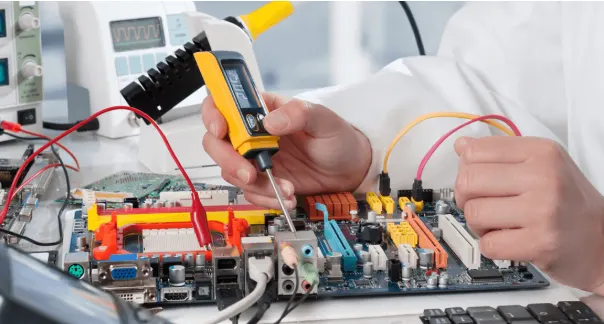
Industry certifications complement degrees, providing practical skills aligned with current tech trends.
1. Embedded Systems & VLSI Certifications
- Courses in FPGA programming, ASIC design, and PCB design.
- This is generally seen as recognition for one’s efforts at platforms from Coursera to NPTEL to Takshashila University.
- It is perfect for students who aim to work in hardware design, chip fabrication, or the IoT sectors.
2. Data Science & AI Certifications
With the boom of data-driven industries, AI, ML, and data analytics certifications are extremely useful for ECE graduates pivoting to high-demand tech roles.
- Skills in Python, TensorFlow, NLP, and deep learning.
- Roles include AI engineer, data analyst, and machine learning developer.
- Courses on Stanford Online, Coursera, and Takshashila University are orientated in such a way that practical exposure and cases are applied.
3. Cybersecurity & IoT Certifications
- Concentrate on network security & cryptography and ethical hacking, as well as IoT frameworks.
- Prepares students for high-paying, in-demand roles in IT, telecom, and defence sectors.
- Recognised certifications: CEH, CISSP, CompTIA Security+, and IoT specialisations.
4. Robotics and Automation Courses
- Specialising in industrial automation, robotic design, and control systems.
- Hands-on projects develop essential engineering abilities through their practical application.
- The fields of manufacturing, AI robotics, and research labs offer multiple career opportunities.
How to Choose the Right Course After B.Tech ECE
After a B.Tech in ECE, which course is better? Students must choose their career path through three main activities, which involve self-evaluation, industry requirement investigation, and job discovery that matches their career goals. Students must choose their career paths after they discover their areas of interest among three options: core technical roles, management positions, and emerging technology fields.
The required research should include industry demand assessment through salary trend analysis, skill shortage identification, and growth sector evaluation, while the team needs to review their individual career objectives, which include international work experience, research participation, entrepreneurship, and corporate employment.
Students need to connect theoretical knowledge with practical experience through hands-on educational activities, which include labs, internships, and live projects. Students can establish strong career foundations by selecting trustworthy institutions such as Takshashila, which provide both academic excellence and industry partnerships.
Takshashila’s Industry-Driven Curriculum Explained
Takshashila University is a leading institution for students pursuing higher studies and certification programs after B.Tech ECE. The institution provides hands-on learning opportunities that combine theoretical concepts with actual projects and develop partnerships with businesses to provide real-world work experience and student supervision.
Takshashila University provides a worldwide educational program that teaches students about emerging technologies, such as artificial intelligence, the Internet of Things, and robotics, while offering complete career assistance through placement services, soft skills development, and alumni networking, which enables students to acquire technical skills and workplace readiness and leadership abilities. Still confused about After B.Tech ECE, Which Course Is Better? Explore the best career paths with @TakshashilaCollege
Conclusion
The decision after B.Tech ECE, whose course is better, depends on your career goals, interests, and industry trends. Your future career plans will determine which program you should select between M.Tech, MBA and MS abroad and AI, VLSI, cybersecurity and robotics certification programs. Students at Takshashila University receive guidance and practical experience together with corporate relationships, which help them succeed in technology-based competitive environments.
FAQ About After B.Tech ECE: Which Course Is Better?
1: What are the best higher studies options after a B.Tech in ECE?
A1: Due to the shortness of computational biophysics, molecular modelling could become an appealing option.
2: Which certifications are in demand for ECE graduates?
A2: Embedded Systems, VLSI, Data Science, AI, IoT, and certifications in cybersecurity and robotics are equally in great demand.
3: Can I switch to management after B.Tech ECE?
A3: Yes, an MBA allows ECE graduates to move into project management, operations, or leadership roles.
4: How does Takshashila University help in career readiness?
A4: Through industry collaborations, live projects, mentorship, and placement support, Takshashila University prepares students for high-demand tech and management roles.
5: Is it better to pursue higher studies in India or abroad?
A5: Both options have advantages; India provides cost-effective specialised programs, while an MS abroad offers global exposure and research opportunities
6 Is an M.Tech in VLSI or Embedded Systems better for a core hardware career?
Both are excellent, but the choice depends on your interest. VLSI (Very Large Scale Integration) focuses on chip design and fabrication, which is high-paying but requires intense mathematical and logic skills. Embedded Systems involves the integration of hardware and software (like IoT devices). If you enjoy coding close to the hardware level, Embedded Systems is better; if you prefer architecture and circuitry, VLSI is the premier choice.
7 Should I pursue an MBA if I want to stay in the technology sector?
An MBA is a great choice if you want to move into leadership, product management, or technical consultancy. While a technical master’s degree (M.Tech/MS) deepens your design skills, an MBA helps you understand the business side of tech. It is better for those who prefer managing teams and projects over daily coding or circuit designing, often leading to faster salary growth in management roles.
8. Is switching to an IT/Software role through a PG Diploma worth it?
Yes, many ECE graduates successfully pivot to software via specialized courses in Full Stack Development or Data Science. Since the IT sector currently offers more entry-level job opportunities than the core electronics sector, a 6-month intensive diploma can bridge the gap. This path is better if you enjoy programming and seek a job in a fast-paced environment with frequent remote work options.
9. How does an MS abroad compare to an M.Tech in India?
An MS abroad (specifically in the USA, Germany, or Ireland) focuses more on research, practical application, and global networking, often providing better access to cutting-edge semiconductor companies. An M.Tech from a top Indian institute like an IIT is more cost-effective and highly valued by local PSUs and multinational R&D centers. Choose an MS for global exposure and M.Tech for a strong domestic technical career.
10. Are short-term certification courses in 5G or Robotics beneficial?
Short-term certifications are better for immediate employability in niche emerging markets. As 5G rolls out globally, ECE engineers with certifications in Telecommunications or Robotics and Automation are in high demand. These courses are ideal if you do not want to commit two years to a full degree but want to upgrade your skills to match current industry standards and secure specialized technical roles.