
After Studying Artificial Intelligence and Data Science, What to Study Next?

After Studying Artificial Intelligence and Data Science, students usually opt for pursuing either an M.Tech course (£6-20 LPA), MS overseas, MBA, industry certification, joining the workforce directly, or pursuing a Ph.D.
The salary of an AI Engineer in India is around ₹12.2 lakh per year, while AI will provide over 20 million jobs by 2027.
What Will Be the Future of Data Science in India

Know the future of data science in India and the emerging job fields for the graduates.
Choose data science from one of the best artificial intelligence colleges and data science in Tamil Nadu as your best career option, where you will need tech skills as well as soft skills. With which you can get the top internships and be job-ready, as this is the trending job sector with lots and lots of regular updates.
How to Start Coding from Zero for Engineering Students
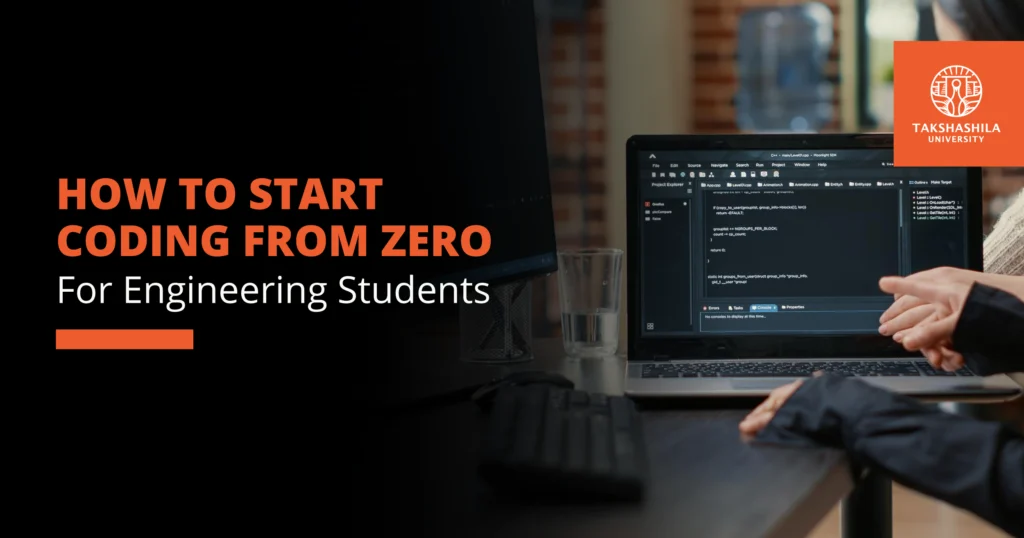
Discover how to start coding from zero by following some easy steps for engineering students.
Take a look at what languages to learn, how to go about learning to code, projects you can work on, problem-solving skills, and career prospects.
How to Start Coding from Zero for Engineering Students
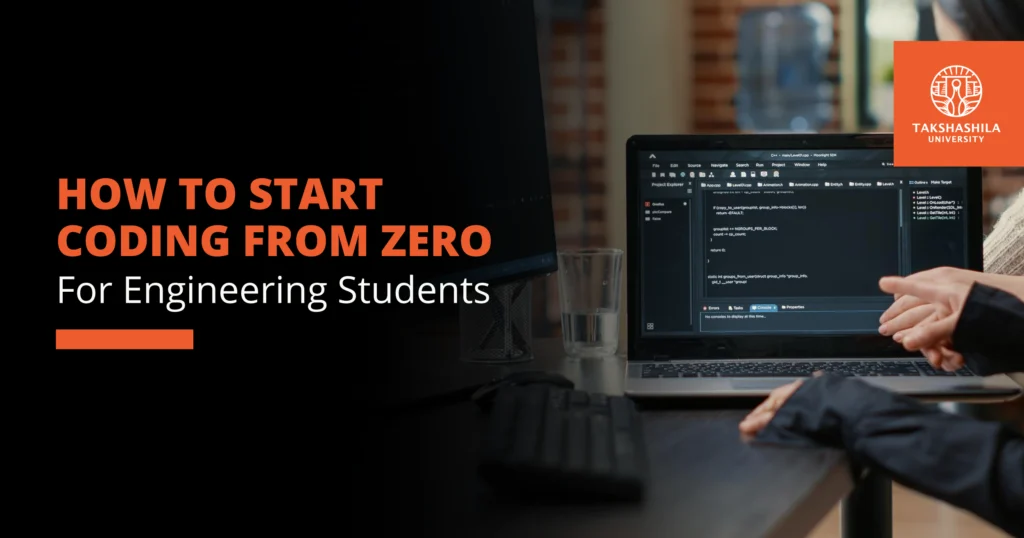
Discover how to start coding from zero by following some easy steps for engineering students.
Take a look at what languages to learn, how to go about learning to code, projects you can work on, problem-solving skills, and career prospects.
Why Internships Are Important for Engineering Students

Learn why internships are important to engineering students and the importance of internships to engineering.
Students make a difference in their careers. Get to know the importance of internships for engineering students, various types of internships, advantages of internships to the industry, and career prospects with the help of Takshashila University.
After Engineering Which Course is Best for a Good Future?

Considering after engineering, which course is best for a lucrative career? Learn about the top career courses like Artificial Intelligence, Data Science, Cybersecurity, MBA, Cloud Computing, and Business Analytics.
Find out the most promising career streams, such as artificial intelligence, data science, cybersecurity, MBA, and cloud computing.
How to Become a Game Developer After 12th: Complete Career Guide

Find out how to become a game developer after 12th and the degrees one needs to pursue, and learn about programming languages as well as game engines such as Unity and Unreal Engine.
Discover the potential careers you can have in this booming field along with salaries, important skills, and more at Takshashila University.
How Much Do AI Engineers Make? Salary and Career Guide for Future Tech Professionals

Are you looking for How Much Do Ai Engineers Make? Or do you want to know more about the AI software engineer salary?
Then you should be aware of some important aspects like salary trends, skills required, career scope, and demands of the industry in the coming years.
How to Become a Software Engineer After 12th: A Complete Career Guide for Students

If you are looking for how to become a software engineer after 12th, it becomes necessary to know the proper course of education, skills, and career options that would help you create a successful career in the field of technology.
Computer Science Vs Information Technology: Careers, Degrees, and More

Are you interested in knowing the difference between computer science vs information technology? The two will help you make the proper choice when selecting a career in the field of technology.