
Introduction
Agriculture is the backbone of many economies, playing a crucial role in food security, healthy lifestyles, and sustainable development. As we move into a future that demands innovation in agricultural practices, pursuing a Bachelor of Science (BSc) in Agriculture has become the best choice.
This blog gives you a comprehensive overview of BSc Agriculture, detailing the course structure, key subjects, career opportunities, and why this field is essential. Get complete guidance, check out our latest blog about the Top 5 Reasons to Study BSc Agriculture.
BSc Agriculture Course Objectives
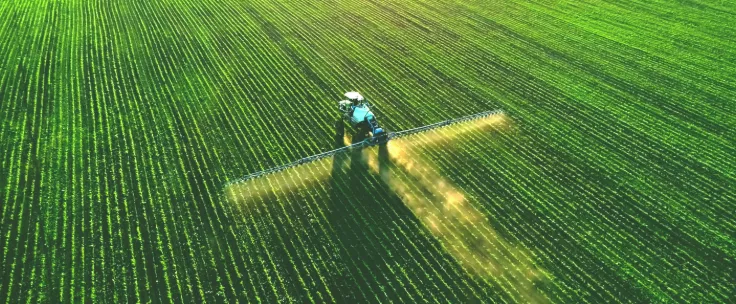
This course is designed to prepare students to apply modern agricultural tools and procedures in a practical setting.
Soil science, water resources and management, agricultural and key management, geomatics, and a few aspects of genomics are covered in depth.
1. Key factors about the Course Structure
A typical BSc Agriculture programme contains a range of subjects designed to prepare students with theoretical knowledge and practical skills. The course usually spans 3 years and covers various aspects of agriculture, from soil science to crop production.
Core Subjects
The key subjects in the overview of BSc Agriculture typically include:
- Agronomy: The science of soil management and crop production.
- Horticulture: Focused on the cultivation of fruits, vegetables, and ornamental plants.
- Soil Science: Analyse complete soil properties, fertility, and management techniques.
- Plant Physiology: The study of plant functions and growth processes.
- Entomology: The study of insects and their impact on agriculture.
Practical Training
In addition to theoretical coursework, practical training is a significant part of the programme. Students engage in fieldwork, internships, and hands-on experiences, allowing them to apply their learning in the field.
2. Importance of BSc Agriculture
The significance of agriculture cannot fade, especially in a country like India, where a large part of the population is engaged in this sector. The overview of BSc Agriculture reveals that farming education prepares students to address pressing challenges such as food security, climate change, and sustainable farming practices.
Environmental Sustainability
With the growing focus on sustainability, agriculture professionals play a key role in developing eco-friendly practices that preserve resources and protect the environment.
Technological Innovation
Modern agriculture increasingly depends on technology, from precision farming to genetic engineering. A BSc in Agriculture develops students with knowledge about these advancements, preparing them to implement innovative solutions in the field.
| Did You Know?Pradhan Mantri Krishi Sinchayee Yojana (PMKSY): This initiative focuses on enhancing irrigation coverage, ensuring efficient water use, and improving farm productivity |
3. Career Opportunities After BSc Agriculture
The career opportunities for graduates pursuing a BSc in Agriculture are various and rewarding. The overview of the BSc Agriculture highlights the following options:
Agricultural Scientist
As an agricultural scientist, you will conduct research to improve crop harvests, sustainable practices, and pest control. This role often involves working in research and development for government agencies or private companies.
Farm Manager
Farm managers oversee the operations of farms, ensuring crops are cultivated efficiently and profitably. This role requires strong organisational and leadership skills.
Agricultural Consultant
Consultants advise farmers and businesses on best practices, crop selection, and resource management. This position often combines scientific knowledge with business aspects.
Horticulturist
Horticulturists specialise in the cultivation of gardens, orchards, and landscaping, focusing on plant health, aesthetics, and productivity.
Agricultural Extension Officer
Extension officers work with farmers to transfer knowledge and technologies, aiming to improve agricultural practices and productivity.
4. Skills Developed During the Course
The overview of the BSc Agriculture shows that students develop various skills essential for success in the agricultural sector:
Analytical Skills
Students learn to analyse data, assess soil and crop conditions, and evaluate the effectiveness of farming practices.
Problem-Solving Skills
The challenges faced in agriculture require effective problem-solving abilities. Students are trained to plan practical solutions to various agricultural issues.
Communication Skills
Effective communication is vital in agriculture, whether it’s educating farmers or supporting sustainability. This course enhances both verbal and written communication skills.
Technical Skills
Students gain hands-on experience with agricultural tools, equipment, and technologies, training them to succeed in modern agricultural practices.
Transforming Passion for Farming into Purposeful Careers: Begins with Takshashila
The agricultural sector is one of the most dynamic and complex. This industry has been around for centuries and has undergone many changes throughout its history. As an education leader, we believe the agriculture industry needs people with a broad range of abilities and experiences who can work as agricultural technicians, managers, scientists, and more.
At Takshashila University, the goal is to nurture and polish the knowledge of all of its students to achieve success. For this reason, we have engaged highly qualified teachers and provide the greatest campus facilities, as well as an active placement cell to help aspiring students advance in their careers.
Conclusion
The overview of BSc Agriculture reveals a dynamic and essential field that is increasingly relevant in present conditions. With a focus on sustainability, like climate change, innovation, and practical application, a BSc in Agriculture offers students the opportunity to make a significant impact on agricultural practices and food security. At Takshashila University, we are dedicated to providing an educational experience that fosters the passion, knowledge, and skills necessary for success in this vital sector. For events & more, follow @TakshashilaCollege.
FAQs About the Overview of BSc Agriculture
1. What is the duration of the BSc Agriculture programme?
The BSc Agriculture programme typically spans 3 years.
2. What are the core subjects in BSc Agriculture?
Core subjects include agronomy, horticulture, soil science, plant physiology, and entomology.
3. What career options are available after completing a BSc in Agriculture?
Career options include agricultural scientist, farm manager, agricultural consultant, horticulturist, and agricultural extension officer.
4. What skills can I expect to develop during this course?
Students develop analytical, problem-solving, communication, and technical skills essential for success in agriculture.
5. Is practical training included in the curriculum?
Yes, practical training is a significant part of the curriculum, providing hands-on experience in the farm area settings.
6 How does this programme prepare students for real-world farming challenges?
This programme focuses on practical learning and industry exposure to prepare students for real-world agricultural challenges. Through fieldwork, lab sessions, and case studies, students understand crop management, soil health, and sustainable practices. They also learn how to handle climate-related issues and improve productivity. This hands-on approach helps bridge the gap between theory and practice, making graduates more confident and job-ready in the agriculture sector.
7 Are there government job opportunities in the agriculture field?
Yes, there are several government job opportunities available in the agriculture sector. Graduates can apply for roles in agricultural departments, rural development programs, and research institutions. These jobs often offer stability, benefits, and career growth. Candidates may need to clear competitive exams depending on the role. Staying updated with job notifications and preparing well can increase the chances of securing a government position.
8 Can students pursue higher education after completing this degree?
Yes, students can pursue higher education after completing this degree to improve their knowledge and career prospects. Options include postgraduate programs in specialized areas like agronomy, plant breeding, and agricultural economics. Higher studies can open doors to research roles, teaching careers, and advanced positions in the industry. It also helps in gaining deeper expertise and staying competitive in the evolving agricultural field.
9 What role does technology play in modern agriculture careers?
Technology plays a major role in modern agriculture by improving efficiency and productivity. Students learn about advanced tools such as precision farming, irrigation systems, and data analysis. These technologies help farmers make better decisions and increase crop yield. Knowledge of modern tools is becoming essential in today’s agricultural careers. Understanding technology can give graduates an advantage and open up innovative career opportunities.
10 Is agriculture a good career choice for the future?
Agriculture is a strong career choice due to the increasing demand for food production and sustainable practices. With the growth of agri-tech and innovation, new opportunities are emerging in this field. Professionals are needed in research, production, and management roles. The sector offers stability and long-term growth. For students interested in science and the environment, agriculture can be a rewarding and future-ready career option.
11 What are the opportunities in the private sector for graduates?
Graduates can explore a wide range of opportunities in the private sector, including roles in agri-business companies, food processing industries, and agri-tech startups. They may work in sales, product development, supply chain management, or consultancy. The private sector often offers faster career growth and exposure to modern agricultural practices. With the right skills and experience, candidates can build a successful and dynamic career outside traditional farming roles.
12 Can graduates start their own agribusiness?
Yes, starting an agribusiness is a promising option for graduates with entrepreneurial interests. They can explore areas like organic farming, food processing, dairy farming, or agri-consulting. With proper planning, market research, and knowledge of government schemes, they can build a profitable venture. Entrepreneurship allows individuals to apply their skills practically and create employment opportunities, making it a rewarding and independent career path.
13 What kind of work environment can graduates expect?
Graduates can work in diverse environments depending on their chosen career path. Some roles involve fieldwork in farms and rural areas, while others are office-based in companies or research labs. Certain positions may require travel or working with farmers and communities. This variety offers flexibility and exposure to different aspects of the agriculture sector, helping professionals gain practical and industry-level experience.
14 Are internships important during the course?
Internships are very important as they provide real-world exposure and practical understanding of the agriculture industry. They help students apply theoretical knowledge in actual work settings and learn from professionals. Internships also improve skills, build confidence, and enhance employability. Many employers prefer candidates with hands-on experience, making internships a valuable part of career preparation and future success.
15 How can students stay updated with trends in agriculture?
Students can stay updated by following industry news, attending workshops, and participating in seminars or webinars. Reading research articles, joining agricultural forums, and connecting with professionals also helps. Staying informed about new technologies, government policies, and market trends is important for career growth. Continuous learning ensures that students remain competitive and ready to adapt to changes in the agriculture sector.