

Do you want to revolutionise farming practices? Will you be interested in a career that feeds the world and preserves the environment?
We all know agriculture is the backbone of our country, but do you wish to explore a world of opportunities beyond traditional farming roles?
If you answer YES to all the questions, you should opt for Agricultural Sciences. To your question, why choose BSc Agriculture Scope and Career, this blog will discuss the advantages, scope, career opportunities, emerging trends, etc.
Overview of the BSc Agriculture Course!
BSc Agriculture is an undergraduate program that provides a comprehensive understanding of agriculture and its disciplines. It is a four-year degree that imparts theoretical knowledge and practical skills in agricultural science, agribusiness, crop production, soil science, etc.
Its curriculum includes agronomy, horticulture, plant pathology, entomology, genetics and plant breeding, livestock production, agricultural economics, farm management, and engineering. The course also involves practical training sessions like field visits, farm internships, etc.
Enroll in a BSc Agriculture (Hons) at Takshashila University for a fulfilling career!
What Are The Advantages Of Pursuing BSc Agriculture?
Pursuing a BSc Agriculture has several advantages. Here are the vital reasons why you should choose it.
- There is a high demand for the program. Specific areas of study, such as food production, horticulture, animal rearing, rural economy, environmental health, etc., are most sought-after.
- There will continue to be a lot of innovations in the future. Plenty of technological interventions are likely to happen in the agricultural field.
- There are many colleges and universities with agricultural courses, and many domains you can choose from.
- The study feesares comparatively less than other professional courses.
- You can understand agriculture comprehensively and gain insights into the sustainability of crops and production.
- The course provides hands-on training on crop cultivation, livestock management, and farm operations.
- Graduates can begin their entrepreneurial ventures and start separate farms or agribusinesses with the knowledge gained during the course.
- Since the knowledge acquired applies globally, the graduates also have international work opportunities.
- Agricultural-related work can give you the job satisfaction that you are positively contributing to society.
- You can use your expertise to preserve natural resources and protect the environment through sustainable agriculture and conservation efforts.
What Is The Scope Of BSc Agriculture?
Though India is an agricultural country, there is hesitation among students to take up agriculture courses. But with the growing demands for organic food and sustainable farming practices, it has a rewarding future for graduates.
There is a vague picture in the students’ minds that if they study agriculture, they should get into the farms and work. Though it is also correct, there are so many other roles they can take up after completing the course. Here are
Here are the industries and companies you can work at,
- Agricultural input companies
- Food processing industries
- Agribusiness companies
- Research and development institutions
- Government agricultural departments
- Non-governmental organisations
- Agricultural financial institutions
- Agricultural technology startups
- Agrochemical companies
- Sustainable agriculture initiatives
You can also work in educational institutions as mentors, food processing units, financial institutions, and research centres.
Suppose you don’t want to work after completing the BSc Agriculture course, you can opt for a master’s degree. Here are some postgraduate programmes with different specialisations for your reference.
- M.Sc. Agriculture (Agricultural Economics)
- M.Sc. Agriculture (Agricultural Extension Education)
- M.Sc. Agriculture (Agronomy)
- M.Sc. Agriculture (Plant Breeding and Genetics)
- M.Sc. Agriculture (Soil Science)
- M.Sc. Agriculture (Plant Pathology)
After your master’s degree, you can even do doctoral programmes, like
- Ph.D. Agriculture
- Ph.D. Forestry
What Are The Career Opportunities In BSc Agriculture?
BSc in Agriculture opens avenues for agricultural graduates. They get employed in government organisations, NGOs, and the private sector. For individuals asking why choose a BSc Agriculture.

Here are the numerous career options.
- Agricultural Officer
- Farm Manager
- Agricultural Consultant
- Agribusiness Manager
- Horticulturist
- Soil Scientist
- Plant Breeder
- Livestock Manager
- Seed Technologist
- Pest and Disease Specialist
- Agricultural Economist
- Agricultural Extension Officer
- Sustainable Agriculture Specialist
- Climate Resilience Expert
- Rural Development Consultant
- Agricultural Journalist
- Agricultural Finance and Banking
Graduates can apply for a job in government organisations like India Forest Services (IFS), the Indian Council of Agricultural Research (ICAR), the Food Corporation of India (FCI), the National Bank for Agriculture and Rural Development (NABARD), etc.
Emerging Trends in BSc Agriculture, You Need To Know!
Agriculture is the future, and students pursuing a BSc Agriculture or other related courses will have a promising career. It is because of the growing demands and emerging trends in the field. Here are some for your understanding.
1. Sustainable Agriculture

With an increasing requirement for producing food that is productive and environmentally friendly, sustainable agriculture has come into prevalence. It includes using less water, reducing soil erosion, and using organic farm methods.
2. Precision Agriculture

It includes using data from sensors, drones, and other sources to enhance the efficiency and productivity of agricultural operations.
3. Agricultural Biotechnology

It is a rapidly growing field since it helps to improve crop yields, develop new varieties of crops, and control pests and plant diseases.
4. Climate-smart Agriculture
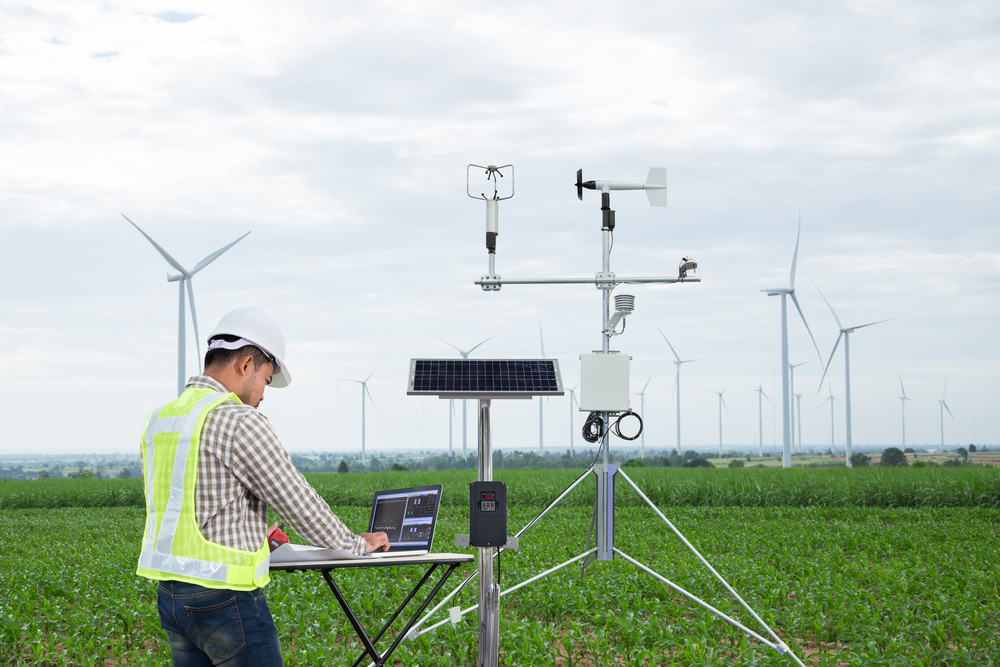
It is harvesting drought-tolerant crops, practising water conservation,n and crop diversification. It is a type of farming adapting to climate change.
5. Urban Agriculture

Growing food in urban areas can lead to a greener environment. Urban agriculture is becoming increasingly famous since it can improve food security and reduce food miles.
Ideal Candidate And Skills Required!
- To excel in BSc Agriculture and have a successful career, candidates should have a solid interest in agriculture.
- They should have a good grasp of scientific principles and an analytical mindset to develop innovative solutions.
- They should be able to identify agricultural challenges and address real-world agricultural issues.
- They should be open to learning, have a keen eye for details, and have good communication skills.
Here’s the educational qualification to pursue the BSc Agriculture course.
- Candidates should have completed 10+2 (or equivalent) in the Science stream (PCB or PCMB) from a recognised education board.
- A minimum percentage of 50% is required. However, it differs from one college to another and is based on reservations.
- You should appear for the entrance examination, which may also differ from one college to the other. There is a common entrance exam, the Indian Council of Agricultural Research- All India Entrance Examination for Admission (ICAR AIEEA).
Why Should You Prefer Takshashila University’s School of Agricultural Sciences?
Takshashila University, a prestigious educational institution in India, should be your first choice for BSc Agriculture. It is a fantastic place to begin your career because of the vast selection of courses and good infrastructure.
The university’s departments are engineering, arts and sciences, allied health sciences, hotel management, physiotherapy, and agricultural sciences. It encompasses 64 disciplines and spans 150 acres of land. Its academic and sports scholarships enable students to pursue their goals despite financial limitations.
The university has partnered with organisations to ensure all students are placed after graduation. Hands-on learning provides students with transferable abilities that enable them to excel in interviews and be hired by potential employers.
Experienced faculty members prepare students to deal with real-world problems and foster leadership qualities and problem-solving abilities in them. Want campus insights? Follow @TakshashilaCollege.
Conclusion
If you are still wondering why choose the BSc Agriculture course, it opens doors to a dynamic career in the agricultural sector. Hence, if you have a passion for nature, a scientific mindset, and the urge to transform agriculture into a sustainable and thriving industry, opt for BSc Agriculture, which opens abundant career opportunities. Get complete guidance, check out our latest blog about the Reasons to study BSc Agriculture.
Frequently Asked Questions (FAQs) About bSc Agriculture Scope and Career Opportunitie.s
1. Why should you choose B.Sc. Agriculture?
B.Sc. Agriculture provides enormous career opportunities. It equips you with the skills and knowledge required to extend your hands for sustainable farming practices and food security.
2. Is B.Sc. Agriculture tough?
The difficulty level in pursuing a B.Sc. The agriculture course varies from one person to another. Since the course involves practical fieldwork, scientific principles, and complex agricultural concepts, it may be challenging.
3. What is modern agriculture?
Using advanced technologies, innovative practices,s and scientific knowledge to enhance agricultural productivity, efficiency, and sustainability, it is known as modern agriculture. It aims to address challenges, such as climate change, limited land availability, etc.
4. Where do B.Sc. Agriculture graduates get employed?
The agricultural graduates get employed in government and private agricultural departments, agribusiness firms, food processing industries, research institutions, and NGOs working for the welfare of agriculture.
5. Is there scope for B.Sc. Agriculture?
We all know that the population is increasing, leading simultaneously to alarming food security issues. So, the scope of B.Sc. Agriculture is on the rise. Graduates can have diverse career options in government, non-government,t and private sectors.
6. What industries hire agriculture graduates apart from the farming sector?
Agriculture graduates are not limited to farming jobs. They are hired in food processing companies, seed production firms, fertilizer industries, agri-tech startups, and research organizations. Many also work in banking sectors like rural development and agricultural finance. These industries value their knowledge of crops, soil, and farming systems. With growing technology in agriculture, new private sector opportunities are continuously increasing for skilled graduates.
7. How does agriculture education help in rural development?
Agriculture education plays a key role in rural development by improving farming techniques and productivity. Graduates help farmers adopt modern methods, better irrigation, and sustainable practices. This leads to higher income and improved living standards in rural areas. They also support government schemes and awareness programs. Overall, agriculture education bridges the gap between scientific knowledge and traditional farming for community development.
8. What is the role of agribusiness in agriculture careers?
Agribusiness focuses on the commercial side of agriculture, including production, processing, marketing, and distribution of farm products. Agriculture graduates can work in supply chain management, sales, export companies, and farm product companies. It combines business knowledge with agricultural science. This field offers strong career growth, especially with the increasing demand for organized food supply systems and global trade opportunities.
9. Can agriculture graduates work in the banking and finance sectors?
Yes, agriculture graduates can work in banking and finance sectors, especially in rural and agricultural finance divisions. Banks hire them as agricultural officers to manage loans, credit schemes, and farmer support programs. Their knowledge helps in assessing agricultural risks and the financial needs of farmers. This career path offers stability, good salary growth, and opportunities in both public and private banking institutions.
10. What is the importance of research in agriculture field?
Research in agriculture is essential for developing better crop varieties, improving soil health, and increasing productivity. It helps solve problems like pests, drought, and climate change. Agriculture graduates working in research institutions contribute to innovation and food security. This field supports sustainable farming and ensures long-term agricultural development. Research careers are ideal for students interested in science and innovation
11. How does climate change affect agricultural careers?
Climate change has a major impact on agriculture by affecting rainfall, crop yield, and soil conditions. Agriculture professionals play an important role in finding solutions like drought-resistant crops and sustainable farming techniques. This creates new job opportunities in environmental planning and climate-smart agriculture. Graduates who understand these challenges are highly valued in modern agricultural industries.
12. What digital tools are used in modern agriculture?
Modern agriculture uses digital tools like drones, GPS systems, soil sensors, and farm management software. These tools help in monitoring crops, improving irrigation, and increasing efficiency. Agriculture graduates are trained to use such technologies for better decision-making. Digital farming is growing rapidly and creating new career opportunities in precision agriculture and agri-tech industries.
13. Is entrepreneurship a good option after an n agriculture degree?
Yes, entrepreneurship is a strong option after an agriculture degree. Graduates can start businesses in organic farming, dairy farming, food processing, or agricultural consultancy. Government schemes also support agri-startups. With proper planning and knowledge, agriculture-based businesses can be highly profitable. It also allows individuals to create jobs and contribute to rural economic development.
14. What soft skills are important for agriculture professionals?
Soft skills like communication, teamwork, problem-solving, and leadership are very important in agricultural careers. Professionals often work with farmers, scientists, and organizations, so clear communication is essential. Decision-making and adaptability also help in handling field challenges. These skills improve career growth and help in managing projects effectively in both the government and private sectors.
15. What is the long-term future of agriculture careers in India?
The long-term future of agriculture careers in India is very strong due to the growing population and food demand. The sector is evolving with technology, research, and innovation. New job roles are emerging in agri-tech, exports, and sustainable farming. Agriculture will always remain a core industry, ensuring stable and long-term career opportunities for graduates.



6 Responses
Thank you for your sharing. I am worried that I lack creative ideas. It is your article that makes me full of hope. Thank you. But, I have a question, can you help me?
Hi,
Thank you so much for your kind words! I’m really glad the article gave you hope.
Of course, I’d be happy to help — what’s your question? Feel free to share the details, and I’ll do my best to guide you.
Thank you for your sharing. I am worried that I lack creative ideas. It is your article that makes me full of hope. Thank you. But, I have a question, can you help me?
yes , kindly let me know what is the question
Your point of view caught my eye and was very interesting. Thanks. I have a question for you.
yes , kindly let me know what is the question