
Short Summary
The undergraduate research opportunities in India are helping first-year students to build a strong foundation in academics through learning and innovation.
The students are able to improve their analytical skills, communication skills, and professional skills through internships, faculty-led projects, independent studies, and research competitions.
With more government support and institutional help, the early exposure to research is readying undergraduates for further studies. Also check out The Joint Degree Vs. Double Degree
Introduction
Undergraduate research opportunities in India can change the way students approach learning.
Rather than simply learning the theoretical information, undergraduate students who participate in research develop a deeper curiosity.
This practice helps students to sharpen their critical thinking skills and contribute to innovation from the outset of their academic careers.
In India, a growing emphasis on research opportunities for undergraduates means that even first-year students can get involved in meaningful research, sometimes in the first semester.
We will discuss why undergraduate research matters in India in this blog, along with the ecosystem of research opportunities available to first-year students. And provide concrete ways students can begin their research journey successfully.

Why Undergraduate Research Matters
Undergraduate research has certain advantages that extend far beyond the classroom. It is a way where students can:
- Apply their theoretical knowledge to real-world problems
- Cultivate analytical and problem-solving skills
- Build a competitive academic profile for postgraduate studies or industry roles
- Develop professional communication skills, including writing research reports and presenting findings.
In short, research experience is something that is greatly sought after by universities and organisations alike.
How the Indian Higher Education Scenario works
In India, the high school education scenario works differently from other regions. SO, before moving to the details of undergraduate research opportunities in India, it is important to understand this context.
According to the report, it is stated that there were approximately 3.41 crore students enrolled in undergraduate programmes in 2021-22.
Where the largest number of students are enrolled in the traditional disciplines of arts, science, commerce, and engineering and technology.
These figures reveal both the scale of undergraduate education and the diversity of disciplines where research may be pursued.
The AISHE survey is widely used by policymakers to evaluate the status of higher education and to plan improvements such as funding allocation and curriculum development.
Government Initiatives Supporting Research Culture

The Indian government has introduced various initiatives that aim at enhancing research in higher educational institutions:
- All India Survey on Higher Education (AISHE)
The AISHE has been conducted annually since 2010-11, and it has been providing critical information on enrolment, faculty, research output, and infrastructure, which is necessary for comprehending the dynamics of higher education in India.
- Rashtriya Uchchatar Shiksha Abhiyan (RUSA)
The RUSA is a centrally sponsored scheme that aims at improving the quality of higher educational institutions by providing strategic support for research activities in universities and colleges.
- Virtual Labs and Digital Initiatives
Initiatives such as the Virtual Labs project allow undergraduate students to access science and engineering labs from a distance, which is particularly helpful for institutions that lack infrastructure.
Types of Undergraduate Research Opportunities in India
Undergraduate research opportunities in India are not restricted to final-year research work. There are several other ways in which students can participate in research work, including:
- Research internships
Research internships for a semester or summer at research institutes, universities, industry labs, NGOs, or think tanks. This internship offers students practical experience along with some stipends and certificates.
- Real projects
Students can work on real projects, as faculty members also invite students to help them with their research projects. Research projects can range from literature reviews and data collection to lab work and field studies.
- Independent research
Some universities offer independent research projects to students who are in charge of these projects themselves. This independent way of doing research can help students discover their specialised interests and boost their confidence.
- Competitions and symposiums
University and national research competitions allow students to showcase their work through posters, papers, or prototypes, adding to their academic resumes.
How First-Year Students Can Begin Their Research Journey
To begin research in the first year can be daunting, but it becomes feasible with the right strategy:
- Explore your interests early
Find areas of your interest or that you know of. Early in the semester, read introductory papers or web summaries to generate ideas that you might be interested in pursuing further.
- Concentrate on academic fundamentals.
Performing well in academics shows your commitment and readiness for more complex research work.
- Find a mentor
Contact professors whose research interests match your own. A polite and brief email message showing your interest and willingness to help can be a great way to initiate fruitful collaboration.
- Attend academic events
Students can attend seminars, workshops, and guest lectures to get exposure to the latest research and network with professors and classmates.
- Participate in a student research group.
Colleges often have research or reading groups where students can discuss academic papers and work on joint research projects.
Practical Tips for Navigating Research as an Undergraduate
- Time management
Managing academic and research work requires effective time management. Set aside specific time slots for your research work using planners or online tools.
- Document Progress
Keep a research journal where you can document your research notes, experiment results, or summaries of academic readings. This will help you to write research reports and papers easily.
- Feedback
Getting feedback from your mentors and peers will help you to refine your research strategy and improve the quality of your research output.
- Present and Publish
Whenever you get the chance, try to present your research work at seminars or publish your work in undergraduate journals. Presenting your work, no matter how small, will improve your academic credentials.
Takshashila University: Promoting Young Researchers
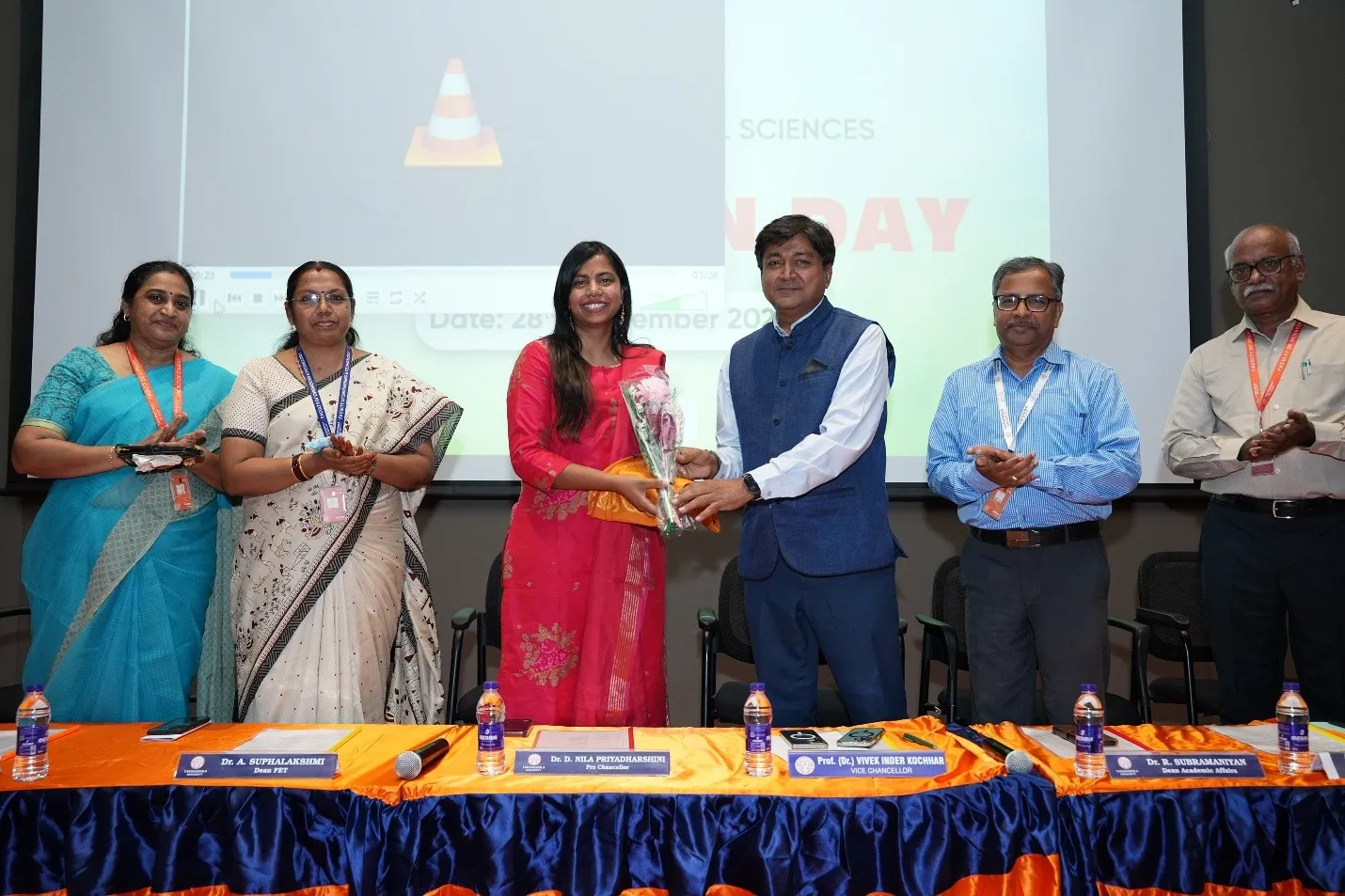
At Takshashila University, we believe that research is not different from what you can do alongside but is a part of your academics. We believe in providing structured undergraduate research opportunities in India from the very first year. Research experience can shape your future career Discover opportunities with @TakshashilaCollege.
What makes us different
- Promote research from day one.
Our curriculum is designed to incorporate research work into coursework; this allows students to gain confidence and experience from the first day.
- Real research centres
Our students get to work in labs and research groups that promote practical and real-world learning.
- Mentorship and funding
At Takshashila University, students are assisted with finding and researching mentors and accessing research scholarships, grants, and funding.
- Opportunities to present themselves
Research expos, publications, and collaborative projects help students to present their research to the academic community.
Takshashila University encourages students not only to learn but also to discover, innovate, and lead.
To wrap up
Engaging with undergraduate research from as early as the first year of college can prove to be one of the most enriching choices that a student makes in their academic life.
With the kind of vibrant ecosystem that exists in terms of government programmes, technology, faculty, and institutional support, today’s students have never had it so good in terms of access to undergraduate research opportunities in India.
Whether you choose to conduct your research in the lab, library, or field or undertake independent research, the important thing is to get started early and keep your curiosity levels piqued.
The Indian higher education sector is undergoing a dramatic transformation, and undergraduate research is becoming an increasingly important part of this.
FAQs About Undergraduate Research Opportunities in India
- What constitutes undergraduate research in India?
Undergraduate research encompasses projects, internships, faculty-supervised research, independent studies, and presentations at symposia.
- Can first-year students actually begin research?
Yes, many colleges and universities in India encourage first-year students to join research teams and internships.
- Are there government initiatives to promote undergraduate research?
Yes. Government surveys such as AISHE and initiatives like RUSA and Virtual Labs offer research engagement support through data and funding.
- Do research experiences improve applications for further studies?
Absolutely. Research experience is a definite plus for postgraduate studies, giving students a competitive advantage.
- How can I identify research mentors at my college?
Begin by scanning faculty publication lists, attending seminars, and contacting professors with similar research interests.