
Introduction :
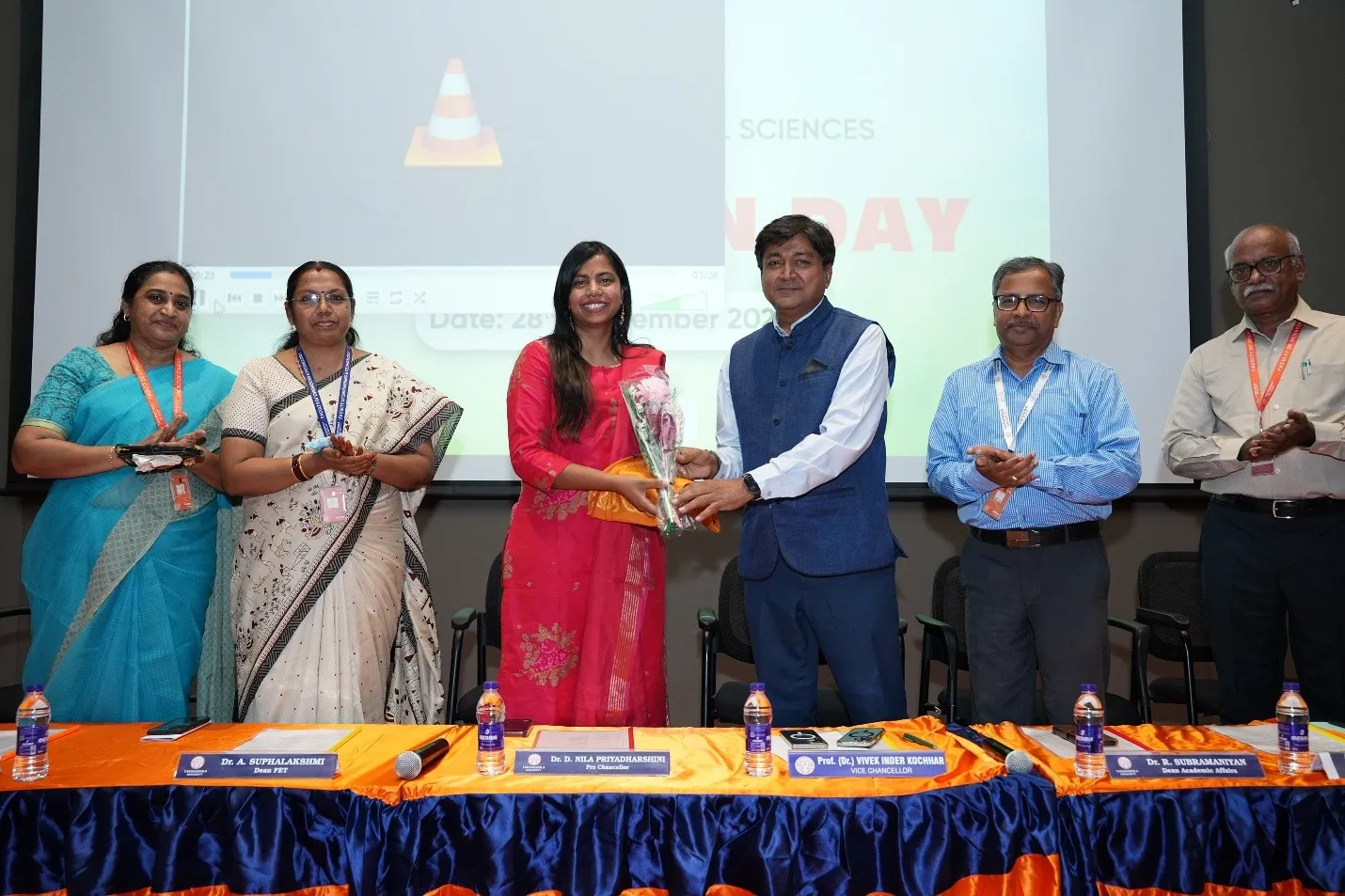
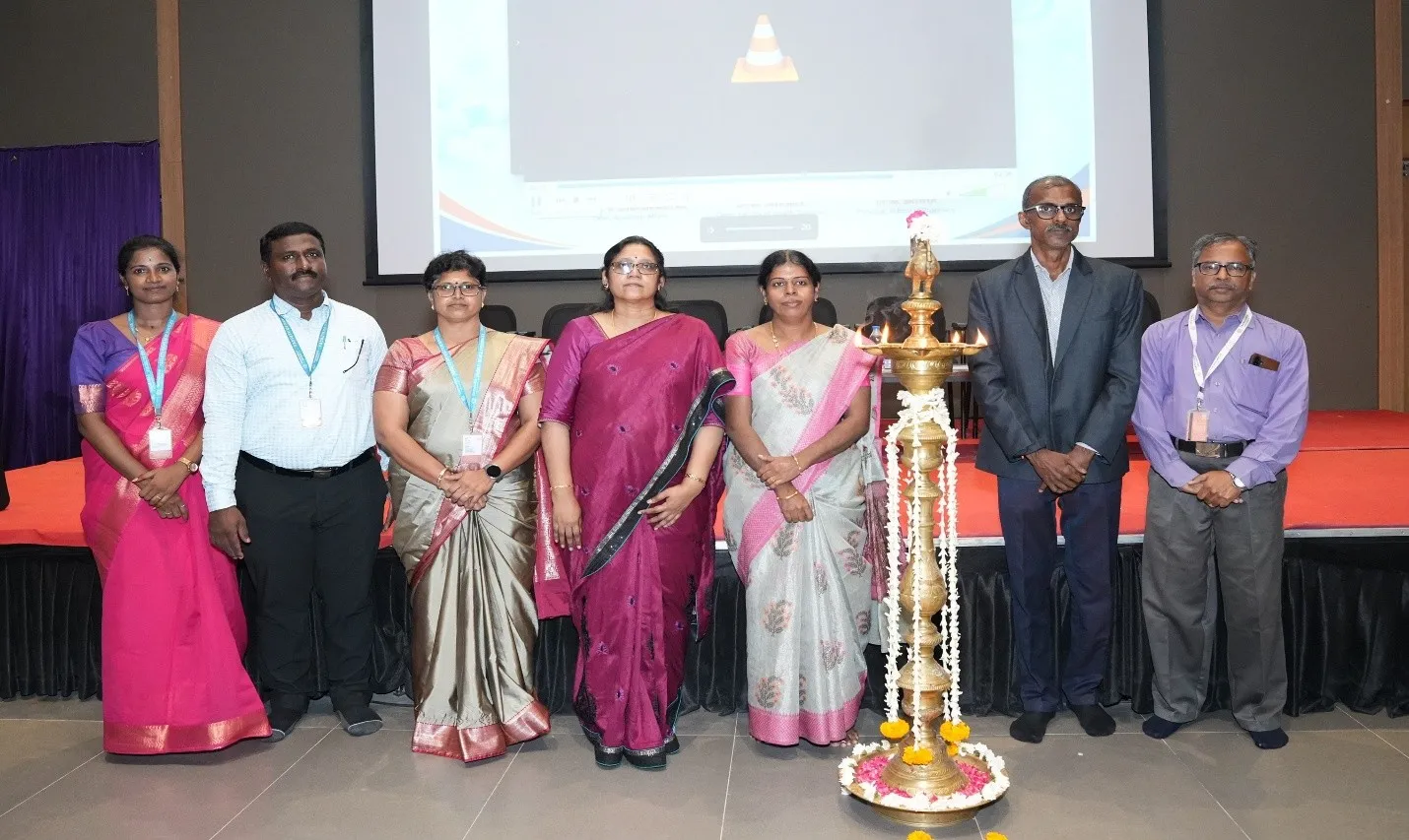
Takshashila University celebrated International Mother Language Day on 20 February 2026 with great enthusiasm and cultural pride. The event highlighted the importance of promotinglinguistic diversity and preserving mother tongues in today’s rapidly globalizing world. The celebration emphasized that language is a vital part of cultural identity and heritage.
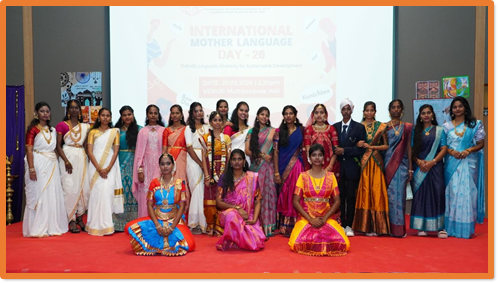
Through meaningful activities and student participation, the program created awareness about respecting and safeguarding native languages. The event reflected the university’s commitment to fostering inclusivity, cultural appreciation, and academic excellence.
Honoring Linguistic Diversity and Heritage :
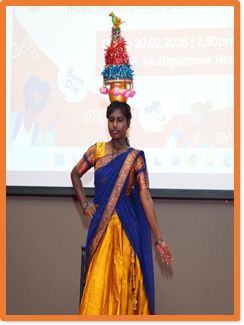
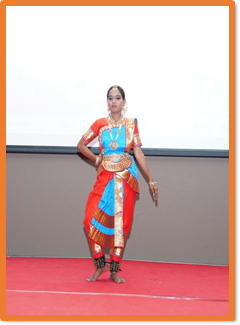
International Mother Language Day promotes multilingualism and cultural diversity across the globe. Mother languages are not only tools of communication but also carriers of tradition, heritage, and collective memory. Preserving native languages strengthens cultural identity and fosters inclusive societies. The observance of this day reinforces the importance of respecting and nurturing linguistic heritage for future generations.
Core Objectives of the Celebrations :
The key objectives of the celebration included:
- Promoting awareness about linguistic diversity
- Encouraging respect for different languages and cultures
- Highlighting the importance of mother tongue in education and cognitive development
- Fostering unity and inclusivity among students
Student Participation and Club Involvement :
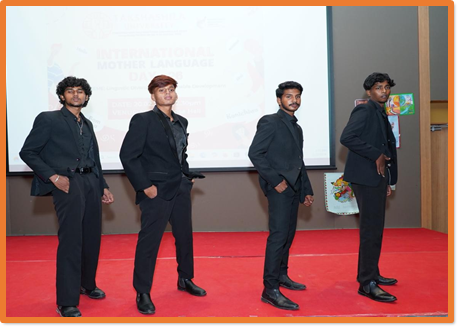
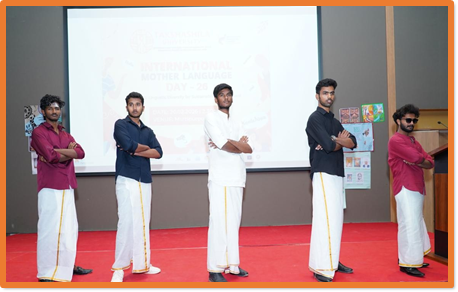
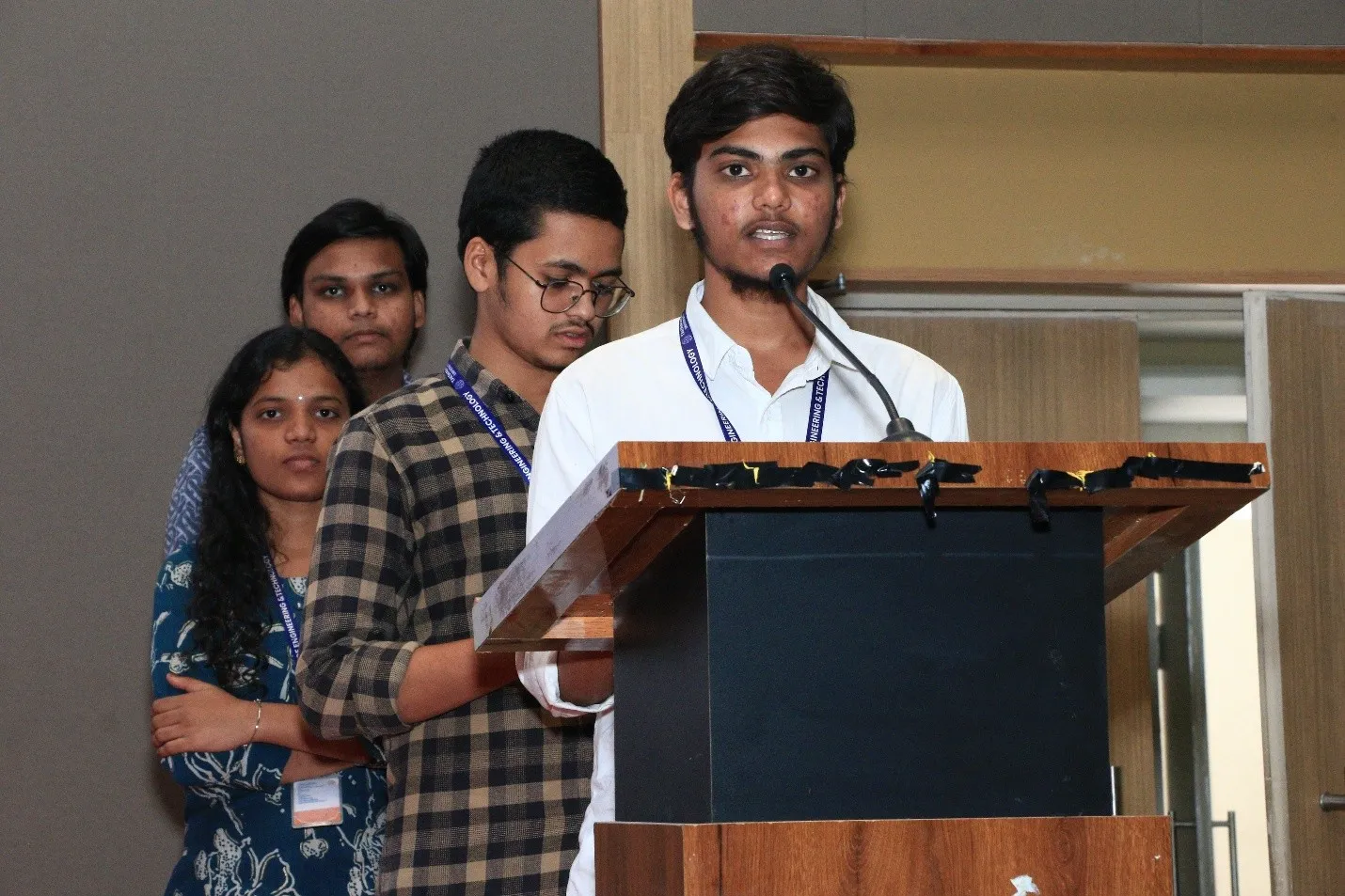
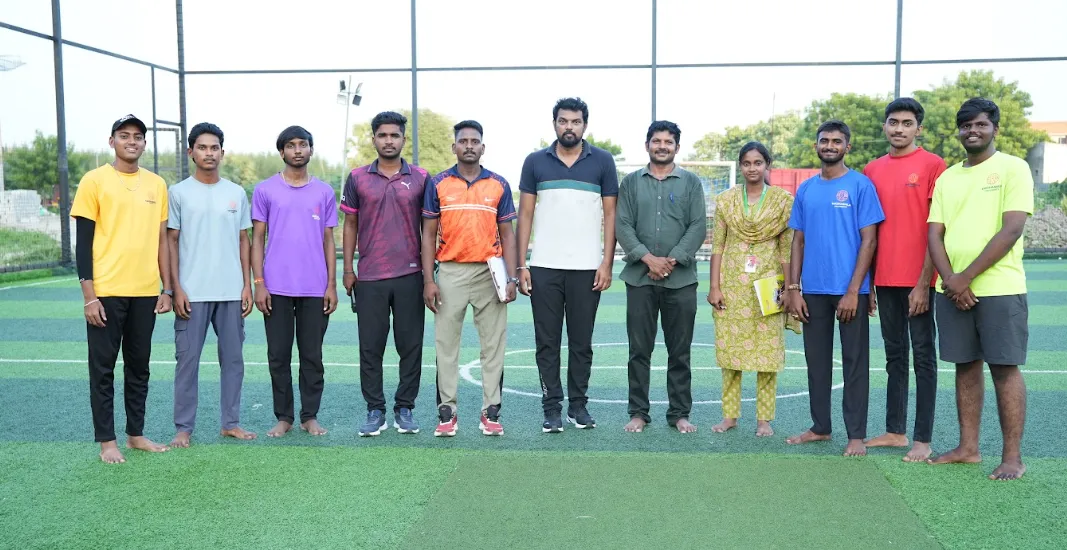
Students actively participated in the event through various club initiatives and cultural activities. The clubs played a significant role in organizing and coordinating the celebration, ensuring active engagement from participants. Students showcased their linguistic heritage through speeches, presentations, and creative expressions that reflected the richness of diverse languages.
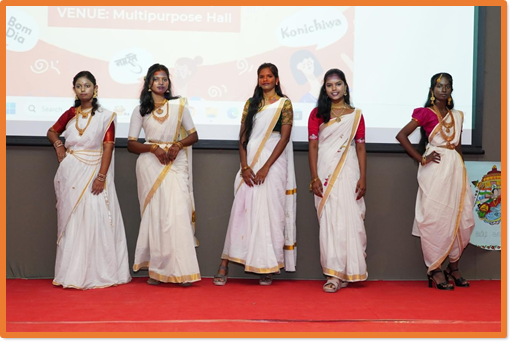
Their enthusiastic involvement created a vibrant academic and cultural environment, making the celebration both educational and inspiring.
Key Outcomes and Impact of the Celebrations :
The celebration significantly enhanced awareness regarding the importance of preserving mother tongues and safeguarding cultural heritage. It encouraged students to take pride in their linguistic identities while fostering an appreciation for multilingual learning in a diverse academic environment. Furthermore, the event strengthened values of unity, mutual respect, and inclusivity, promoting a deeper understanding of cultural diversity within the academic community.
Conclusion:
The International Mother Language Day celebration at Takshashila University concluded on an inspiring and meaningful note, reflecting the institution’s steadfast commitment to cultural inclusivity and academic excellence. The event served as a powerful platform to reinforce the importance of linguistic diversity and the preservation of mother tongues in today’s globalized world.
Through this celebration, the University reaffirmed its dedication to fostering an environment that values inclusive education, intellectual enrichment, and mutual respect among students from diverse backgrounds. By honoring linguistic heritage, the academic community at Takshashila University continues to contribute toward shaping a culturally enriched, socially responsible, and globally aware society. Every language tells a story. Join us in honofollow @takshashilacollege