Summary
After B.Sc Agriculture, you can apply for many secure and respected government roles such as Agriculture Officer, ICAR Scientist, Bank Field Officer, and posts in the state Agriculture Department. These jobs offer good pay, job security, and a chance to serve the nation. Want to build this career path? Explore agriculture programmes at Takshashila University.
Introduction
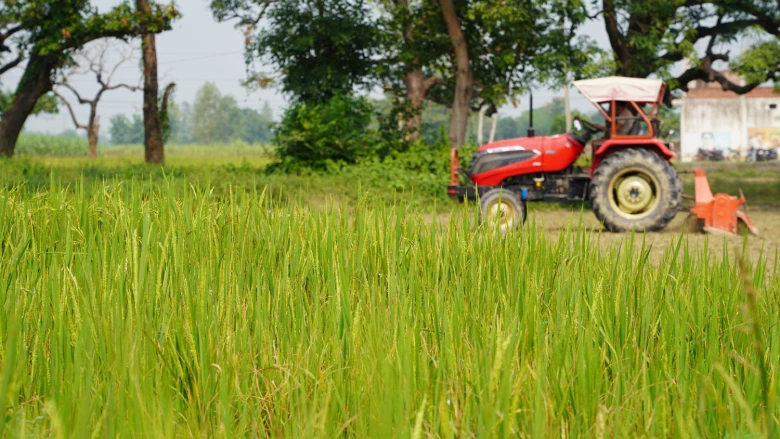
There are many strong Government Jobs After BSc Agriculture, from Agriculture Officer Jobs to research roles through ICAR Jobs and posts in the Agriculture Department Jobs. These careers offer stability, respect, and a steady salary that grows with experience. Check out our last blog About Admission in B.Sc Agriculture
Many students and parents worry that an agriculture degree may not lead to a secure future. This article will solve that worry by showing you the real government roles, the exams to write, and the path to reach them step by step.
Career Opportunities & Job Roles
There are plenty of Government Jobs After BSc Agriculture, and here are the most popular ones:
- Agriculture Officer in the state Agriculture Department.
- Agricultural Research Scientist through ICAR institutes.
- Agriculture Field Officer (AFO) in nationalised and rural banks.
- Subject Matter Specialist at Krishi Vigyan Kendras (KVKs).
- Seed Officer, Soil Conservation Officer, and Horticulture Officer.
- Assistant in FCI, NABARD, and other public sector bodies.
These Agriculture Officer Jobs and allied roles keep you close to the field while offering the security of a government career.
Salary Breakdown & Growth
Government pay is steady and grows well over time. Here is a simple view:
| Role | Starting Pay (approx.) | Growth Path |
| Agriculture Field Officer (Bank) | Rs. 40,000 – 55,000 / month | Manager to Senior Manager |
| Agriculture Officer (State) | Rs. 45,000 – 60,000 / month | Joint / Deputy Director |
| ICAR Scientist | Rs. 60,000+ / month | Principal Scientist |
Along with the basic pay come allowances, pensions, and regular promotions, making these Public Sector Jobs a smart long-term choice.
Government Exams You Can Write
Clearing the right Government Exams is the doorway to these roles. The common ones include:
- IBPS AFO (for Agriculture Field Officer posts in banks).
- ICAR ASRB NET / ARS for research and scientist roles.
- State Public Service Commission exams for Agriculture Officer posts.
- UPSC IFS and allied exams for senior administrative roles.
- FCI and NABARD recruitment tests for public sector openings.
Your B.Sc Agriculture syllabus already covers a large part of these exams, so preparation feels familiar and achievable.
Did you know? The Indian Council of Agricultural Research (ICAR) runs a network of more than 100 research institutes and recruits agriculture graduates as scientists every year.
Skills You Need
A few key skills make you stand out in any Agriculture Department Jobs interview:
- Strong knowledge of crop science, soil, and farm management.
- Awareness of government schemes and rural development programmes.
- Good communication to guide farmers and field teams.
- Basic data and computer skills for reports and records.
- Problem-solving and decision-making in real field conditions.
Industry Demand & Future Scope
Agriculture is the backbone of India, so the demand for skilled officers stays strong. With the rise of agri-tech, food security goals, and rural growth missions, more government openings are appearing every year. This makes Agriculture Recruitment a reliable and future-ready field for new graduates.
Certifications That Add Value
A few extra certificates can boost your profile:
- Soil testing and precision farming certifications.
- Digital agriculture and GIS short courses.
- Agri-business and rural management programmes.
- Government skill-development certifications in agriculture.
Internship & Placement Insights
Hands-on exposure during your degree helps you crack interviews faster. Internships at KVKs, agri-companies, and research stations build real skills and confidence. A university with strong placement support and industry links makes this transition smooth and rewarding.
Pro Tips for Landing a Government Job
- Start exam preparation in your second or third year.
- Follow daily current affairs and agriculture news.
- Solve previous-year question papers regularly.
- Join a study group or mentor-led coaching for guidance.
- Keep your documents and certificates ready in advance.
Want guidance to begin this journey the right way? Talk to the Takshashila University admission team.
About Takshashila University
Takshashila University builds careers through a learning-by-doing approach, modern labs, and strong mentor support. Beyond agriculture, students can explore the School of Arts and Science and the MBA programme, giving you many paths to grow. See campus life on Instagram
Conclusion
Government jobs after B.Sc Agriculture are secure, respected, and full of growth. From Agriculture Officer to ICAR Scientist, the right exam and steady preparation can open these doors for you. Takshashila University is here to guide you from your first class to your first posting.
Further Reading
A NABARD report shows how agriculture professionals are powering rural credit, farm innovation, and public sector growth across India. These real examples reveal just how wide the government career scope has become.
FAQ About Government Jobs After BSc Agriculture
1. Why choose Takshashila University for an agriculture career?
Takshashila University offers practical learning, strong mentor support, and good placement links that help students aim for government roles. The campus blends field exposure with modern facilities, so you build real skills. With programmes across agriculture, science, and management, you get a complete base for a secure career path.
2. Does Takshashila University guide students toward government exams?
Yes, Takshashila University encourages students to prepare early for government exams through mentoring, awareness sessions, and practical projects. This support helps you understand the syllabus and exam pattern while still studying. It makes the move from classroom to competitive exams much smoother for first-time aspirants.
3. Are government jobs after B.Sc Agriculture really secure?
Government jobs after B.Sc Agriculture are very secure. They offer stable pay, allowances, pensions, and regular promotions. Roles like Agriculture Officer and ICAR Scientist are in steady demand because farming and food security remain national priorities. This makes the field a safe and rewarding long-term choice for graduates.
4. Which is the highest-paying government job after B.Sc Agriculture?
Among the top-paying options, ICAR Scientist and senior Agriculture Officer roles offer strong starting salaries above sixty thousand rupees a month, plus allowances. Bank Agriculture Field Officer posts also pay well. With promotions and experience, these public sector jobs grow into very rewarding and respected positions over time.
5. What are the main Government Exams after B.Sc Agriculture?
The main Government Exams include IBPS AFO for bank field officer posts, ICAR ASRB NET for research roles, and State Public Service Commission exams for Agriculture Officer jobs. UPSC, FCI, and NABARD tests are also popular. Your degree syllabus covers much of the content, making preparation easier.
6. How long does Agriculture Recruitment take after applying?
Agriculture Recruitment timelines vary by exam, but the full process from application to joining usually takes several months. It includes a written test, interview, and document verification. Applying on time, preparing steadily, and tracking official notifications help you move through each stage without delays or missed opportunities.
7. Do students on forums recommend agriculture government jobs?
Yes, students on online forums often recommend agriculture government jobs for their stability and respect. They highlight good work-life balance, steady pay, and the chance to serve farmers directly. Many encourage new graduates to start exam preparation early and choose colleges with good field exposure and guidance.
8. Is ICAR or a state agriculture job better, people ask on Quora?
On Quora, students note that ICAR roles suit those who enjoy research and science, while state agriculture jobs suit those who prefer fieldwork and farmer interaction. Both offer security and growth. The right choice depends on your interests, so explore both before deciding your preferred path.
9. What skills help in getting Agriculture Officer Jobs?
For Agriculture Officer Jobs, strong knowledge of crops, soil, and farm management matters most. Good communication to guide farmers, awareness of government schemes, and basic computer skills are also valuable. Problem-solving in real field situations sets you apart in interviews and helps you perform well once selected.
10. Can I get ICAR Jobs straight after B.Sc Agriculture?
You can begin with ICAR support roles after B.Sc Agriculture, but scientist posts usually need a higher qualification and the ASRB NET or ARS exam. Many graduates pursue an M.Sc and clear these exams to enter research. Planning this path early makes reaching ICAR Jobs much smoother.