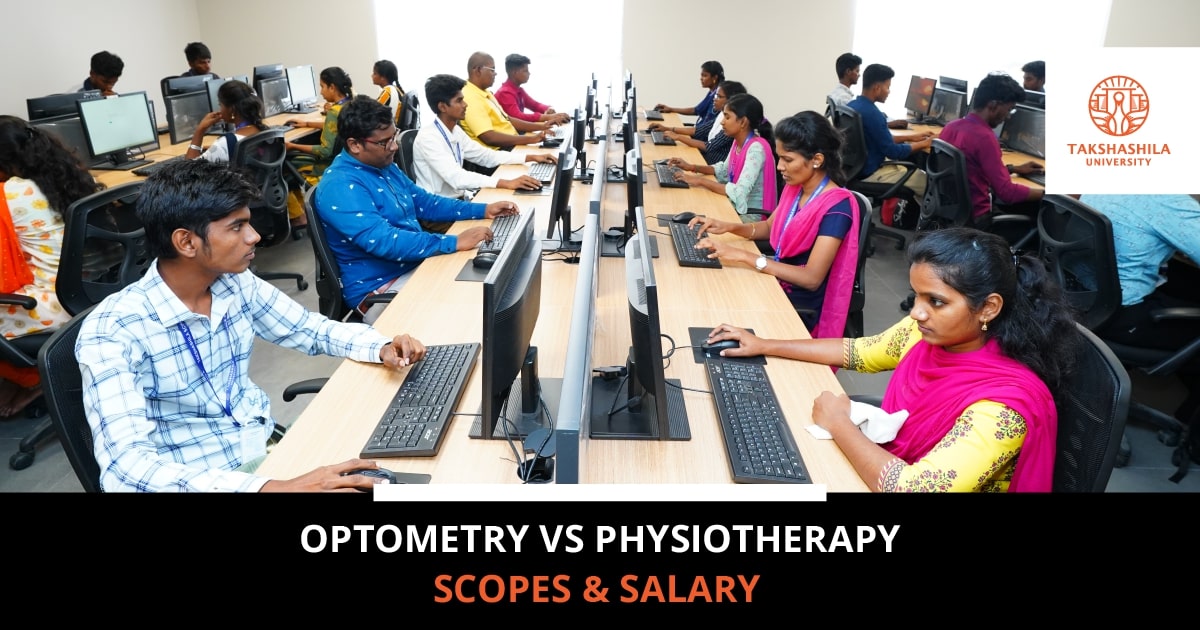
Choosing the right career path is one of the most critical decisions in a student’s life. Optometry and Physiotherapy are two popular career choices in allied healthcare, but they have some key differences.
This blog provides a detailed comparison of Optometry and Physiotherapy across parameters like course highlights, skills required, lifestyle, eligibility criteria, career scope, job outlook, salary, and more to help students make an informed choice.
Optometry Vs Physiotherapy: Highlights
| Parameter | Optometry | Physiotherapy |
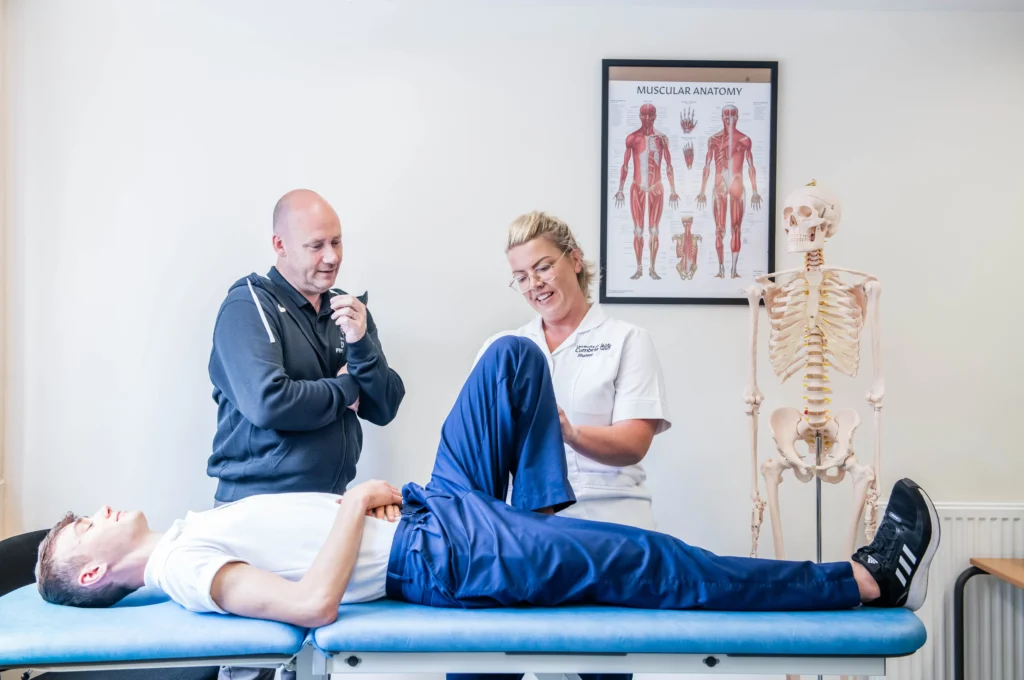
| Definition | Optometry is a healthcare profession dealing with examination, diagnosis and treatment of eye diseases and disorders | Physiotherapy is a healthcare profession dealing with the treatment and diagnosis of physical impairments and disabilities |
| Focus | Vision care, eye health | Musculoskeletal conditions, mobility, physical rehabilitation |
| Goal | To enhance the visual performance and comfort of patients | To restore movement and function in patients |
| Patients dealt with | People with refractive errors, vision problems, eye diseases | People with musculoskeletal, neuromuscular and cardiopulmonary disorders |
| Tools used | Ophthalmoscope, phoropter, autorefractor, slit lamp | Exercise equipment, hot packs, treadmills, parallel bars |
| Opportunities | Offers opportunities in clinics, hospitals, and private practices. | Musculoskeletal conditions, mobility, and physical rehabilitation |
While both are allied healthcare fields, optometry is focused exclusively on eye care and vision correction using specialized tools and tests.
In contrast, physiotherapy deals with physical dysfunctions and restoring mobility using movement-based interventions and equipment.
The patient profiles also differ, with optometrists treating vision issues while physiotherapists treat physical and muscular problems.
Course Syllabus
| Optometry | Physiotherapy |
| Ocular anatomy and physiologyOptics and ophthalmic opticsVision scienceBinocular vision and vision therapyContact lensesOcular diseases and managementPharmacologyLow vision carePediatric eye careGeriatric eye careRefraction proceduresClinical training and rotations | Anatomy and physiologyExercise physiologyKinesiologyBiomechanicsPathology and pharmacologyNeuroscienceOrthopedicsCardiopulmonary physiotherapyNeurologyPediatric physiotherapyGeriatric physiotherapySports physiotherapyPhysiotherapy assessment and treatment proceduresTherapeutic modalitiesClinical training and practice across specialities |
Given the different focus areas, the academic coursework also varies between the two programs.
While optometry curricula focus on optical sciences, the physiotherapy syllabus emphasises anatomy, physiology, and clinical sciences.
Though both have a balance of theory and practical work, physiotherapy dedicates extra time to clinical rotations and specialised tracks like orthopaedics or neurophysiology. Optometry has specialised branches like contact lenses or vision therapy.
Eligibility Criteria
| Parameter | Optometry | Physiotherapy |
| Qualifying exam | 10+2 or equivalent in Physics, Chemistry, Biology or Math | 10+2 or equivalent in Physics, Chemistry and Biology |
| Minimum % required | 45% to 50% aggregate | 45% to 50% aggregate |
| Entrance exams | OAT, TOAT, IUAT | 10+2 or equivalent in Physics, Chemistry,y and Biology |
The basic 10+2 qualification with science subjects is required for both programs. However, optometry sometimes requires mathematics instead of biology.
The entrance exams are also different, with optometry having specialised tests like OAT and TOAT, while NEET UG is the common national exam for admission into physiotherapy colleges.
The minimum percentage criteria in the qualifying exams are similar at 45% to 50% aggregate for both courses.
Courses To Pursue In India
| Optometry | Physiotherapy |
| Bachelors in Optometry (B.Optom)B.Sc OptometryDiploma in Optometry/Ophthalmic TechnologyMasters in Optometry (M.Optom)Master of Science in Optometry | Bachelor’s in Optometry (B.Optom)B.Sc OptometryDiploma in Optometry/Ophthalmic TechnologyMasters in Optometry (M.Optom), Master of Science in Optometry |
The major difference is that while numerous colleges across India offer physiotherapy programs, only a handful of reputed institutes currently provide optometry education. For both streams, students can pursue bachelor’s and master’s degrees before specialising further.
Skills Required
| Parameter | Optometry | Physiotherapy |
| Technical skills | Understanding optics and eye anatomy, measuring refractive errors, ophthalmic techniques | Understanding human anatomy, biomechanics and physiology |
| Interpersonal skills | Clear communication, patience, and ability to gain patient trust | Motivational skills, empathy, communication skills |
| Analytical skills | Assess test results and evaluate treatment effectiveness | Evaluate patient condition, design suitable treatment plans |
| Physical skills | Steady hands and precision for examinations and procedures | Motivational skills, empathy, and communication skills |
The core competencies vary significantly between the two fields. Optometrists require specialised technical knowledge of ophthalmic sciences, while physiotherapists need a stronger grasp of anatomy, physiology, and biomechanics.
Though both require compassion and communication skills in patient interactions, physiotherapists need extra focus on motivation to ensure patient compliance.
Analysing test reports is crucial for optometrists, while physiotherapists emphasise designing customised treatment plans based on case evaluations.
Lifestyle And Work Environment
| Parameter | Optometry | Physiotherapy |
| Work setting | Eye clinics, optical shops, hospitals, research labs | Hospitals, clinics, health centres, fitness centres, homes |
| Nature of work | A mix of clinical, technical, analytical and interpersonal | More physically active, direct patient contact |
| Working hours | Regular or shifts based on clinic timings | Can include early, late or irregular hours |
| Work hazards | Exposure to infections | Back injuries, fatigue |
| Travel requirements | Limited depending on the workplace | Limited, depending on the workplace |
The work environments also differ remarkably between the two fields. Optometry usually involves regulated clinic schedules, while physiotherapists sometimes need to accommodate early, late, or irregular hours based on patient convenience.
Optometrists have limited patient contact and travel needs, while physiotherapists may require significant travel for home healthcare services. Hazards also vary, with optometrists facing a risk of eye infections while physiotherapists are more prone to physical injuries and fatigue.
Career Scope
| Parameter | Optometry | Physiotherapy |
| Job roles | RefractionistOptometristContact lens optometristLow vision optometristPediatric optometristGeriatric optometristVision TherapistResearch optometrist | PhysiotherapistOrthopaedic physiotherapistNeuro physiotherapistSports physiotherapistCardiorespiratory physiotherapistGeriatric physiotherapistAcademic physiotherapistIndustrial physiotherapist |
| Key industries | Hospitals, vision care clinics and optical shops, research organisations | Hospitals, vision care clinics, nd optical shops, and research organisations |
The career paths have minor intersections with both fields, offering options in clinical practice, teaching, research,h and managerial roles.
However, the specialisations within these are poles apart. Optometrists deal with various aspects of vision care, while physiotherapists focus on different bodily systems and age groups.
The industries also vary, with optometry dominated by clinics and retail outlets, while physiotherapy has wider application across hospitals, private centres, schools, and home setups.
Salary Comparison
| Parameter | Optometry | Physiotherapy |
| Starting salary | INR 20,000 to INR 30,000 pm | INR 15,000 to INR 25,000 pm |
| Salary with experience | INR 40,000 to INR 1L pm | INR 30,000 to INR 80,000 pm |
| High-end salaries | INR 1L to 2L pm | INR 1L to INR 1.5L pm |
| Average cost of education | INR 2L to INR 5L | INR 2L to INR 10L |
The earning potential is strong for both careers, especially as one gains experience over 5-10 years.
The average monthly salary packages are quite similar, ranging from ₹30,00 to ₹ -1 lakh based on expertise level, work setting, and location. Some high performers can command premium packages up to ₹1-2 lakhs monthly in both fields.
However, the education costs tend to be much higher for private physiotherapy institutes compared to optometry programs on average.
Higher Education Prospects
| Options | Optometry | Physiotherapy |
| Higher Degrees | Masters, PhD | Masters, PhD |
| Specialisation | Can specialise in contact lenses, binocular vision, low vision, ocular disease, etc. | Sports injuries, orthopaedics, neurology, cardiopulmonary |
| Job after higher education | Senior clinical roles, teaching, research | Advanced therapeutic and diagnostic roles |
| Research | PhD, pursue research career in vision science, ocular health | PhD, pursue research career in rehabilitation, exercise science |
| Teaching | Optometry faculty roles in universities and colleges | PhD, pursue a research career in rehabilitation and exercise science |
Candidates interested in research or academia can pursue advanced Master’s & PhD programs in both streams that lead to specialised clinical practice or teaching jobs.
Optometry offers fine branches like pediatric care, contact lenses, and low vision rehabilitation, while physiotherapy has demanding domains like sports physiotherapy, neurology, and cardiopulmonary rehabilitation at the master’s level.
Pursuing higher education opens up senior professional avenues in hospitals or faculty roles.
Job Outlook And Opportunities
| Parameter | Optometry | Physiotherapy |
| Job outlook | Excellent due to rising eye care needs | Excellent due to increasing lifestyle diseases, ageing population |
| Opportunities abroad | Good in countries like US, UK, Australia | Excellent globally due to high demand |
| Entrepreneurship prospects | Opening own clinic, optical shop | Starting physiotherapy centre, fitness studio, wellness clinic |
The demand for both optometrists and physiotherapists is strong and expected to grow substantially over the next decade due to factors like ageing populations and increased healthcare spending.
There is also abundant scope for international employment or private practice in both fields.
However, physiotherapy roles tend to be more versatile with opportunities in the fitness as well as medical industries. Optometry practice is more concentrated within healthcare and optical retail segments.
Choose Takshashila University for your undergraduate degree!
Takshashila University offers 64+ courses, combining undergraduate, postgraduate, and doctoral degrees.
With its emphasis on practical skills and research-oriented learning, Takshashila will help you gain a strong foundation for a successful career in either field. The university also facilitates international study opportunities and collaborations to provide a global experience.
If you wish to pursue a career as a Physiotherapist, Takshashila is an ideal choice to help you become a responsible and competent healthcare professional.
Conclusion
Optometry Vs Physiotherapy highlights that while they have some similarities in terms of being allied healthcare fields, they vary greatly in their work environment, treatment approaches,s and career prospects.
Optometry focuses more on eye care and vision correction, while Physiotherapy concentrates on therapeutic movement-based interventions.
Students need to analyse all parameters from academic qualification, critical skills, job roles, and salary to future advancement prospects before finalising on either career option based on their interests and aptitude.
We hope that through this blog, you can make the right informed choice to build a rewarding allied healthcare career in Optometry or Physiotherapy. Discover student life! Follow @TakshashilaCollege.Get complete guidance, check out our latest blog about Physiotherapy as a Career? Is good or bad.
Frequently Asked Questions (FAQs) for Optometry vs Physiotherapy
1. What is the difference between optometry and physiotherapy?
Optometry deals with vision care and eye health using techniques like refraction tests and ophthalmoscopy. Physiotherapy focuses on physical rehabilitation of musculoskeletal issues through methods like exercises massagea,ge and electrotherapy modalities.
2. What skills are required for optometry and physiotherapy?
Optometry requires technical skills in ophthalmic sciences and precision work. Physiotherapy needs strong knowledge of anatomy, biomechanics, and exercise physiology, along with communication skills for motivating patients.
3. Which career has better job opportunities, optometry or physiotherapy?
Both careers have excellent growth prospects. However, physiotherapy offers more versatile roles across different healthcare settings like hospitals, clinics, fitness centres, a nd homes.
4. What is the salary comparison between optometrists and physiotherapists?
Starting pay for both careers ranges from ₹1 t ₹,000-30,000 monthly. Experienced professionals earn ₹30,000-1 lakh per month on average. High-level salaries can reach ₹1-2 lakhs for optometrists and ₹1-1.5 lakhs for physiotherapists.
5. What are the higher education and specialisation options?
Master’s and PhD programs are available in specialised domains like contact lenses, sports injuries, etc. This allows advancing to senior clinical roles, teaching, research,h and advanced therapeutic jobs.
6. Which course is easier to study, optometry or physiotherapy?
The difficulty level depends on individual interest and strengths. Optometry focuses more on eye-related science, precision, and technical understanding, while physiotherapy involves anatomy, movement science, and practical therapy skills. Students who enjoy hands-on work and physical activity may find physiotherapy more engaging, whereas those interested in vision care and detailed analysis may prefer optometry. Both courses require dedication and consistent learning.
7. Can optometrists and physiotherapists open their own clinics?
Yes, both optometrists and physiotherapists can start their own clinics after completing their degrees and fulfillinthe g requirements. Optometrists can open eye care centers offering vision testing and corrective solutions. Physiotherapists can run rehabilitation or therapy clinics. Starting a clinic provides independence and higher earning potential, but it also requires business knowledge, investment, and patient trust to succeed.
8. Which field has more practical exposure during studies?
Both fields offer strong practical exposure, but physiotherapy is generally more hands-on as it involves direct patient treatment, exercises, and rehabilitation techniques. Optometry also includes practical training such as eye testing and diagnostic procedures. The level of exposure depends on the institution and training facilities. Practical learning in both fields is essential to building confidence and professional skills.
9. Are there opportunities abroad in optometry and physiotherapy?
Yes, both optometry and physiotherapy offer opportunities abroad, but requirements vary by country. Professionals may need to clear licensing exams or meet specific qualifications. Many countries have a demand for skilled healthcare workers, especially in rehabilitation and vision care. Working abroad can offer better salaries, advanced technology exposure, and career growth, making it an attractive option for graduates.
10. Which career offers more flexibility in work options?
Physiotherapy generally offers more flexibility as professionals can work in hospitals, clinics, sports centers, or provide home-based services. Optometrists mostly work in clinics, hospitals, or optical stores. Physiotherapists can also choose part-time or freelance roles more easily. This flexibility allows better work-life balance and the option to explore different career paths within the healthcare sector.
11. What is the patient interaction level in both careers?
Both careers involve patient interaction, but the nature differs. Optometrists interact with patients for eye exams and vision correction, usually in shorter sessions. Physiotherapists have longer and more frequent interactions as they guide patients through recovery and therapy sessions. This makes physiotherapy more relationship-focused, while optometry is more diagnostic and consultation-based.
12. Can students switch careers between optometry and physiotherapy?
Switching directly between the two careers is not common because both require specialized education and training. However, students can pursue additional qualifications if they wish to move into another healthcare field. Having a background in healthcare can make learning easier, but formal education in the new field is still required to practice professionally.
13. Which field is better for students interested in healthcare technology?
Optometry may be more suitable for students interested in healthcare technology as it involves advanced diagnostic tools, imaging systems, and precision instruments. However, physiotherapy is also evolving with the use of modern rehabilitation equipment and digital tools. Both fields offer exposure to technology, but the type of tools and applications differ based on the area of practice.
14. What kind of work-life balance can be expected in these careers?
Both optometry and physiotherapy can offer a good work-life balance depending on the work setting. Private clinics and independent practice allow more control over working hours. Hospital roles may involve shifts and longer hours. Physiotherapy may require more physical effort, while optometry involves more structured routines. Choosing the right work environment plays a key role in maintaining balance.
15. Which career is better for long-term growth and stability?
Both optometry and physiotherapy offer strong long-term growth and stability due to increasing healthcare needs. Optometry benefits from rising vision care awareness, while physiotherapy gains from demand in rehabilitation and fitness. Career growth depends on skills, specialization, and experience. Both fields provide stable opportunities, but the better choice depends on individual interest and career goals.