
INVOCATION CEREMONY :

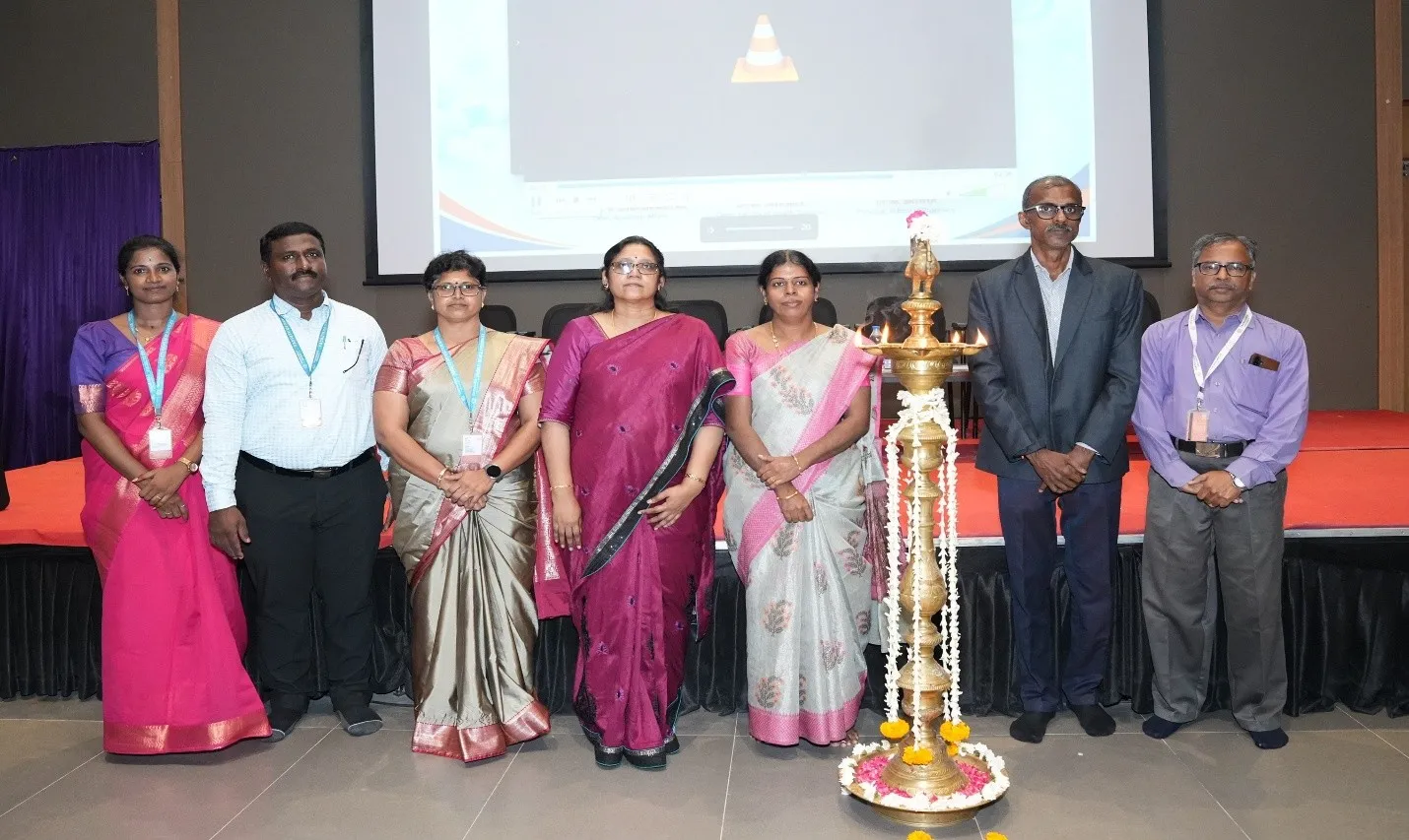
Takshashila University proudly marked a significant milestone with the inauguration of the Model United Nations Club on 15 December 2025. The event commenced with a prayer song, creating a serene and dignified atmosphere for the occasion. The prayer invoked the values of peace, wisdom, and unity, which resonate strongly with the principles of the Model United Nations. It set an inspiring and reflective tone for the event, encouraging participants to uphold dialogue, mutual respect, and global harmony as the guiding foundations of the newly formed MUN Club. and for update for MUN club check out Takshashila IG page
WELCOME ADDRESS :
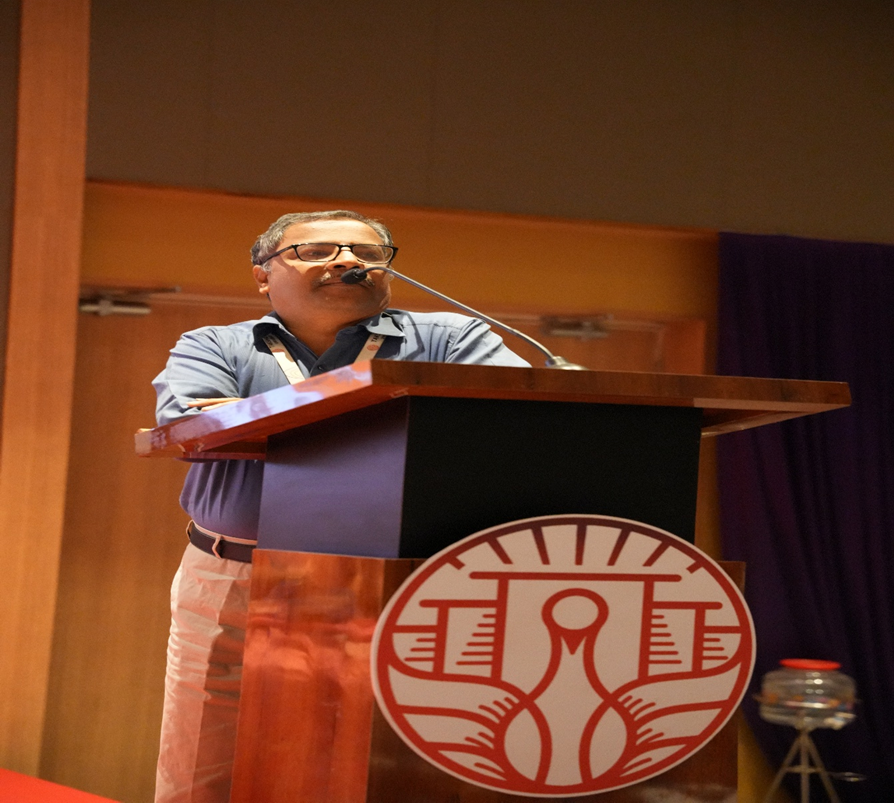
The Welcome Address was delivered by Dr. R. Subramaniyan, Dean – Academic Affairs, who formally extended a warm welcome to the Chief Guest and all the honourable dignitaries present on the occasion. In his address, he emphasized the university’s vision of establishing Takshashila University as a globally recognized institution by highlighting its academic strengths, active centres of excellence, and continuous initiatives aimed at global engagement. He also underscored the importance of international collaboration and the university’s commitment to regularly organizing academic and co-curricular activities with global outreach. On behalf of Takshashila University, he concluded by extending a cordial welcome to the distinguished dignitaries, the Chief Guest Ms. Mikko Tanaka, the Model United Nations Club Director, the Head of ESCAP, and the Sub-Regional Officer of the South and South-West Asia Office
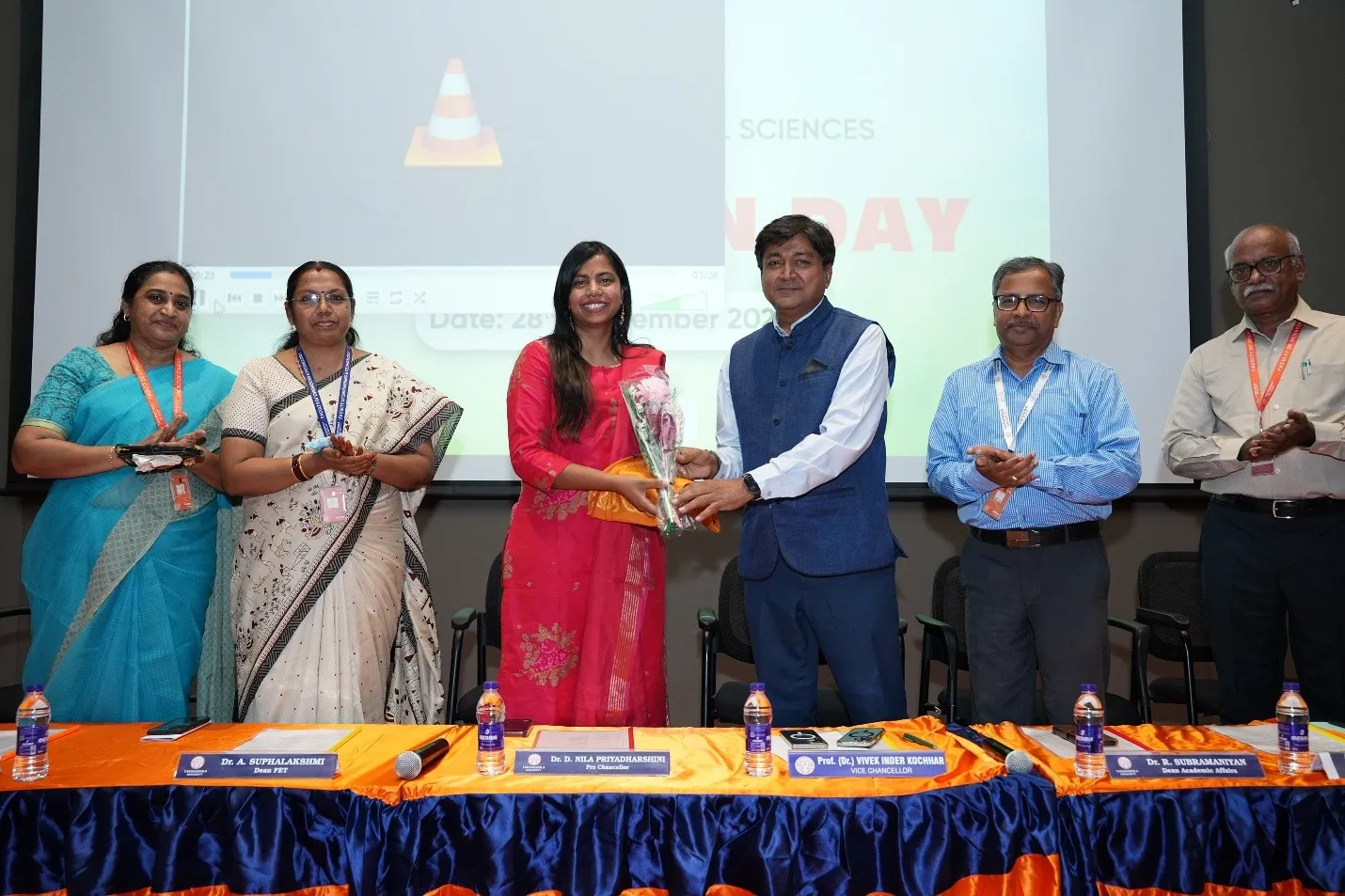
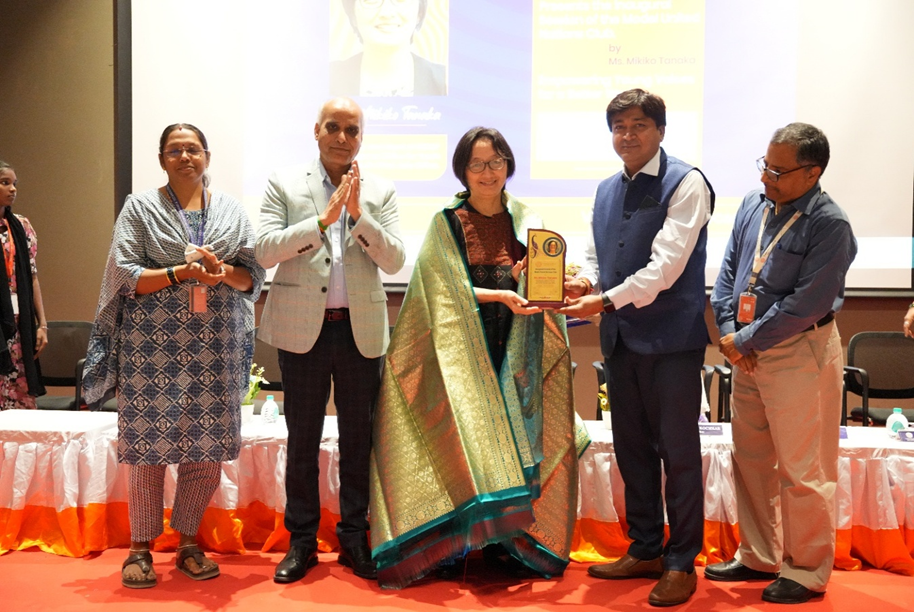
HONOURING THE CHIEF GUEST:
FELICITATION ADDRESS :
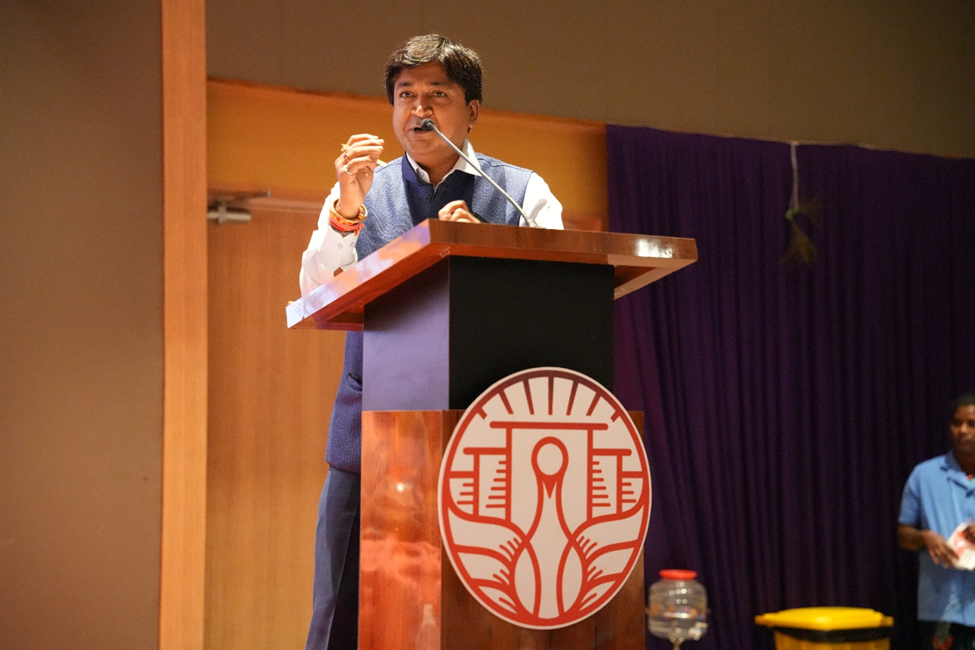
The Felicitation address was delivered by Prof. Dr. Vivek Inder Kochhar, Vice Chancellor, Takshashila University. He warmly welcomed and expressed his gratitude to the Chief Guest, Ms. Mikko Tanaka, Model United Nations Club Director, Head of ESCAP, and Sub-Regional Officer of the South and South-West Asia Office.
In his address, he highlighted that the world today is more connected than ever, offering vast opportunities for young minds. He reaffirmed the university’s openness to global engagement and its commitment to listening, learning, and contributing meaningfully towards shaping the future of the younger generation, especially the youth of India.
He also extended a warm welcome to the Honourable Pro-Chancellors and distinguished dignitaries, thanking them for their presence and valuable insights. He noted that such interactions help strengthen the university’s vision and broaden its academic outlook. The Vice Chancellor concluded by acknowledging the Chief Guest as a person of rich knowledge and global perspective, whose work reflects an inclusive and international vision.
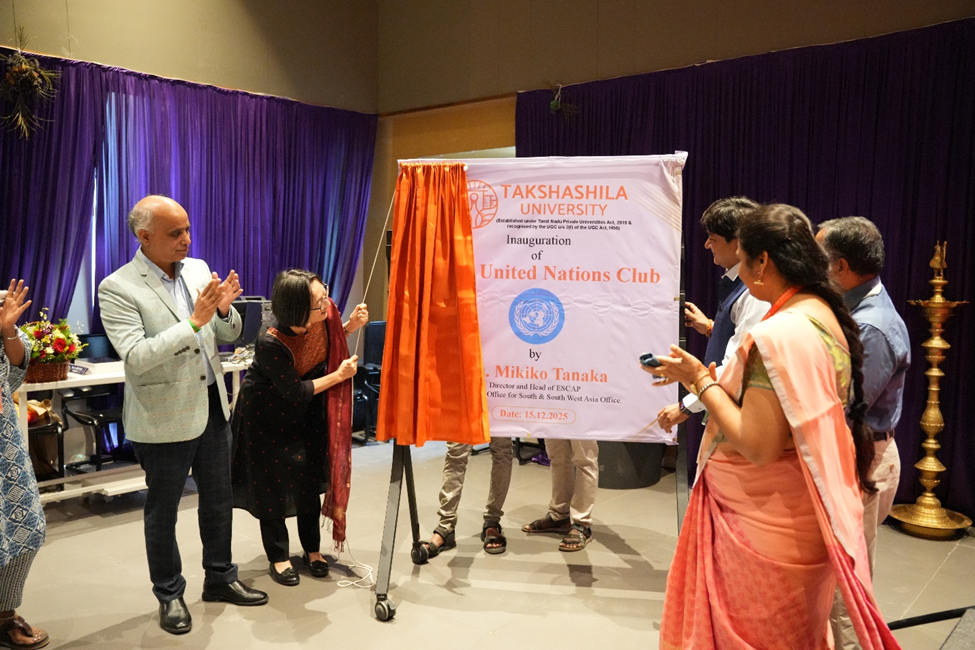
INAGURATED THE MODEL UNITED NATIONS CLUB :
CHIEF GUEST INTRODUCTION :
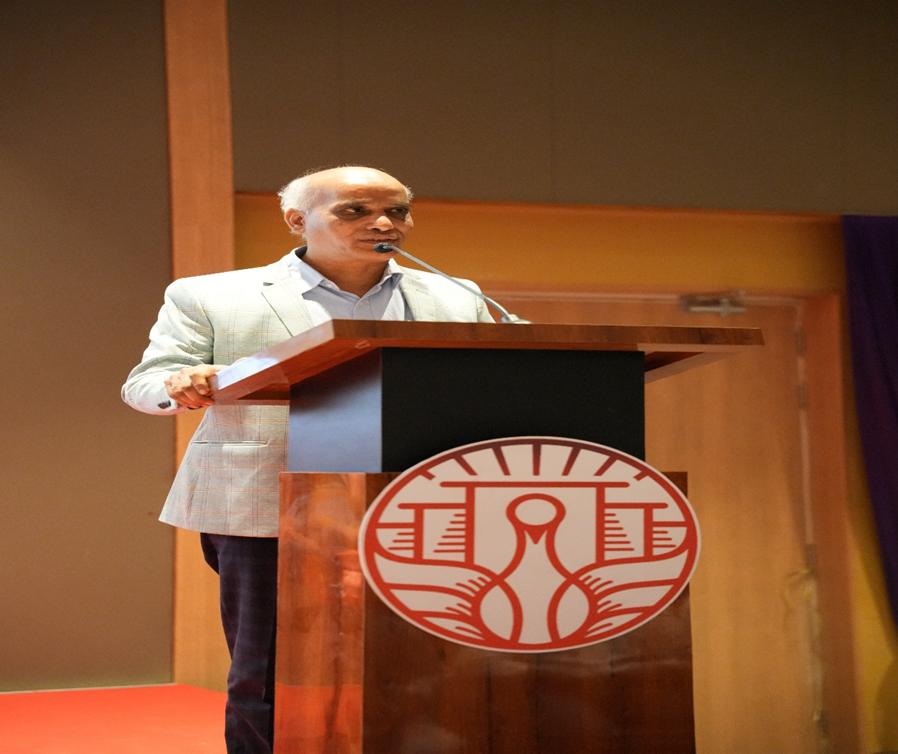
The Chief Guest introduction was delivered by Prof. J. Ranganathan, Honorary Pro-Chancellor. He began by expressing his sincere gratitude for the invitation and extended his thanks to the Honourable Chancellor, all dignitaries, and the distinguished Chief Guest, Ms. Mikko Tanaka, Model United Nations Club Director, Head of ESCAP, and Sub-Regional Officer of the South and South-West Asia Office, for graciously participating in the event.
Prof. Ranganathan highlighted the historical significance of the United Nations, noting its establishment on 24th October 1945. He briefly recounted how it evolved from a subdivided organization into a truly globally united entity, emphasizing its inclusive nature in fostering international cooperation. He further explained the role of ESCAP as the Economic and Social Commission for Asia and the Pacific, which plays a vital role in regional development.
He concluded by acknowledging Ms. Mikko Tanaka’s invaluable contribution and leadership in inaugurating the Model United Nations Club, recognizing her efforts in promoting global awareness and engagement among students.
CHIEF GUEST ADDRESS :
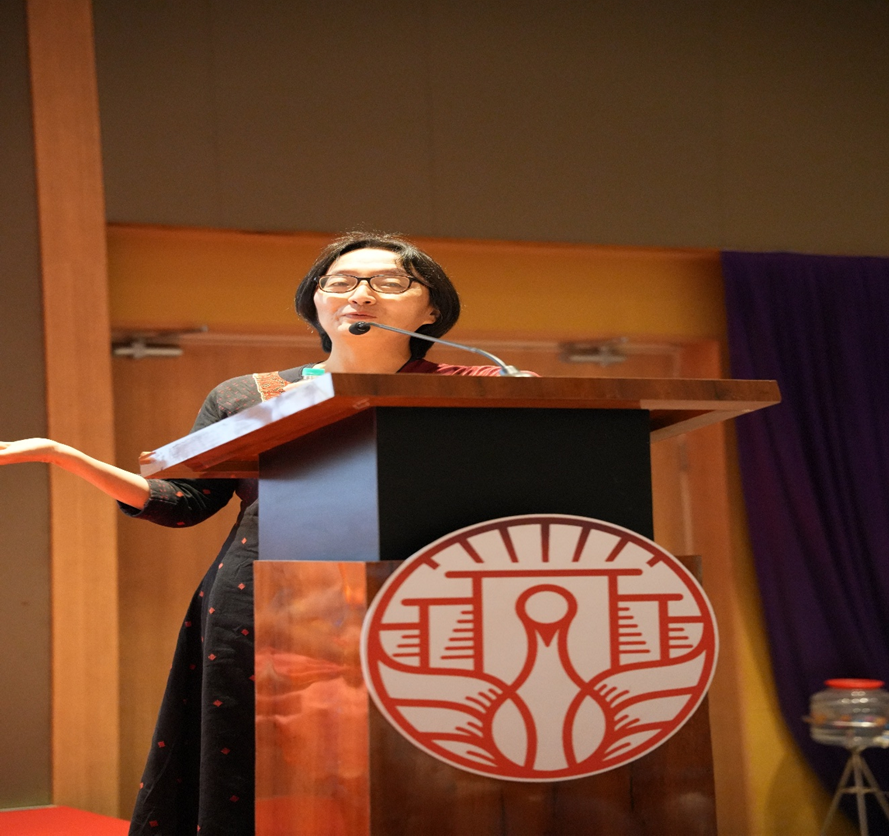
The Chief Guest, Ms. Mikko Tanaka, Model United Nations Club Director, Head of ESCAP, and Sub-Regional Officer of the South and South-West Asia Office, delivered an insightful overview of the Model United Nations (MUN) Club at Takshashila University. She highlighted that the club is a student-led initiative that simulates the functioning of the United Nations, providing students with opportunities to engage in debates, discussions, and diplomatic negotiations on global issues.
She emphasized that participation in MUN conferences helps students develop key skills such as public speaking, research, negotiation, leadership, and global awareness. Under her guidance, the MUN Club aims to enhance students’ understanding of international relations, promote collaboration and cultural exchange, and bridge academic learning with real-world policy discussions, preparing students to become globally responsible citizens.
INTERACTIVE Q&A SESSION WITH THE STUDENTS:
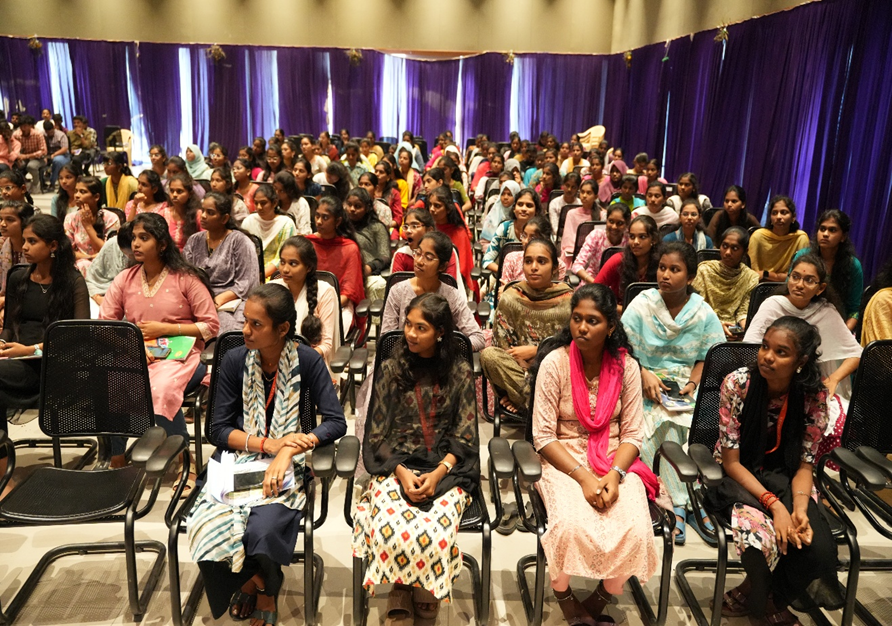
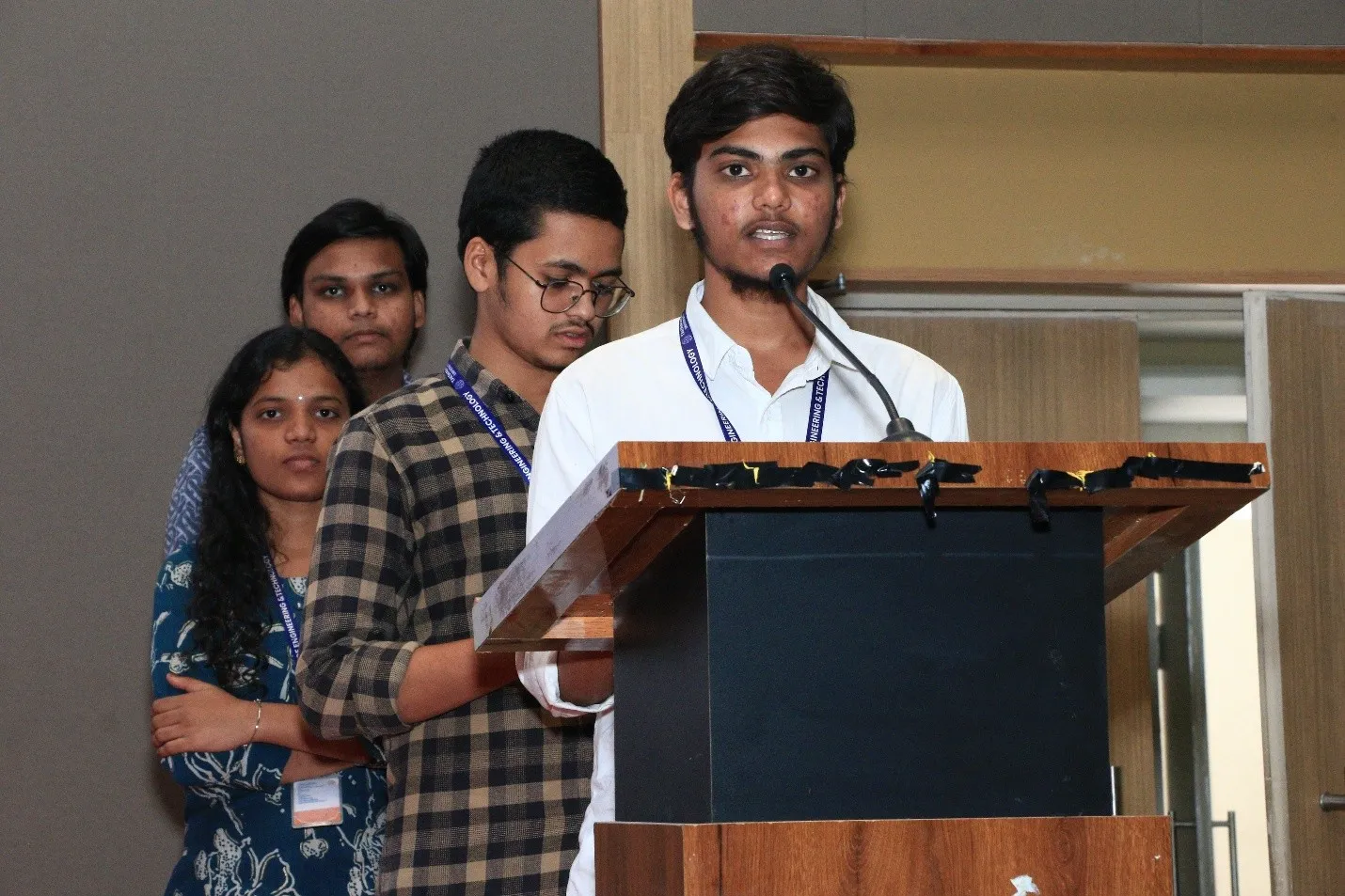
During the Interactive Session with Students, participants inquired about the functioning of the Model United Nations Club and sought clarification on how to join and actively participate in its activities. Ms. Mikko Tanaka responded thoughtfully to each question, sharing her insights, experiences, and guidance on navigating global platforms, the importance of cultural understanding, and the skills required to contribute effectively in international forums. She encouraged students to engage actively in initiatives such as the MUN Club, highlighting how such platforms foster critical thinking, negotiation skills, leadership, and global awareness. The session proved to be highly enriching, providing students with firsthand knowledge from an experienced diplomat and creating an environment of curiosity, learning, and inspiration
VOTE OF THANKS :
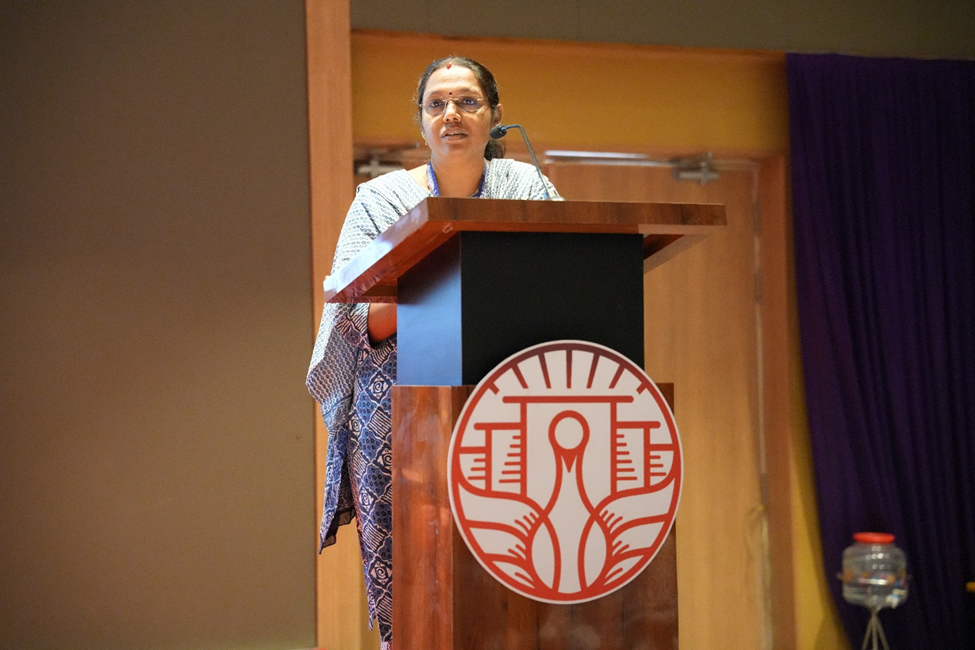
The Vote of Thanks was delivered by Dr. Suphalakshmi, Dean, Faculty of Management and Commerce. On behalf of Takshashila University, she expressed sincere gratitude to all those who contributed to the successful conduct of the program.
She thanked the Chief Guest, Ms. Mikko Tanaka, Model United Nations Club Director, Head of ESCAP, and Sub-Regional Officer of the South and South-West Asia Office, for her insightful address and meaningful interaction with students. She also appreciated the efforts of everyone involved in organizing the event, whose dedication ensured its smooth execution.
The program concluded successfully with the rendering of the National Anthem.