Summary
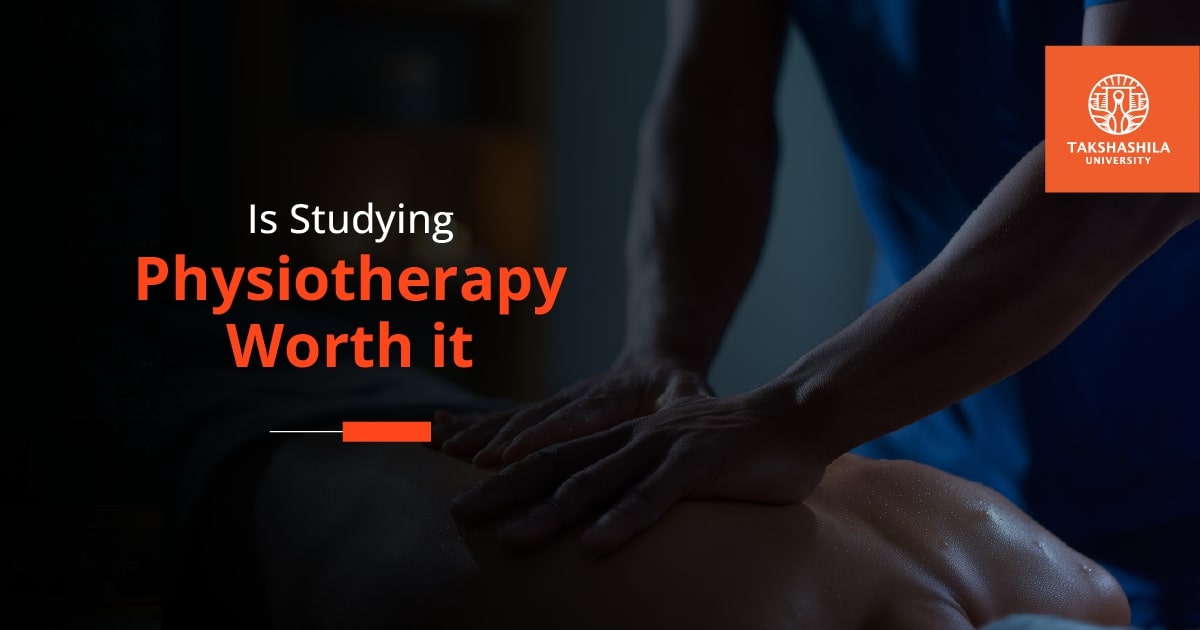
Studying Physiotherapy – The current progress in patient care has driven a steady increase in job opportunities. This opens a window for people wanting to look for alternative careers in medicine. A career in physiotherapy provides a better work-life balance, allowing for a fulfilling career without sacrificing personal time. Let’s determine whether studying physiotherapy is worth it.
Introduction
Bad posture can lead to countless health problems. You might have heard this fact come up constantly in modern conversations—and it’s true. Our sedentary lifestyle choices can cause bad posture, muscle problems, joint issues, and much more.
A Physiotherapist can help you correct posture issues and suggest daily exercises to suit your lifestyle to get rid of any discomfort in the back, neck, knees, and shoulders. They also deal with sports-related injuries and rehabilitation.
Physiotherapy is not just limited to addressing these issues alone,e but also has areas specialised in helping certain children to achieve motor and cognitive skills. This broadens the horizons of the practice and provides flexibility to practise in a client’s home, in senior care centres, sports centres, gyms, or a private clinic.
But is studying physiotherapy worth it? This blog aims to answer that question, so let’s take a closer look.
What Is Physiotherapy?
Physiotherapy deals with physical impairments, disabilities,ies and movement disorders. Common treatment aims to eliminate any pain or hindrance to movement by suggesting specific therapy and exercises to increase mobility and restore normal functioning.
A trained physiotherapist is responsible for assessing your issue and customising a treatment plan to eliminate and prevent issues that occur. Physiotherapy relies on many treatment and counselling methods:
1/ Tips for Longevity
A therapist often provides general guidelines on enhancing overall well-being, such as maintaining correct posture and exercising regularly to maintain a healthy weight.
They provide personalised instructions for everyday activities to help you protect yourself and minimise the risk of pain or injury. For instance, if you’re experiencing back pain, you might receive guidance on maintaining good posture.
2/ Exercises and PhysiTherapy
The physiotherapist’s main tool for treatment is targeted exercises to improve movement and strength in particular areas of the body. They may also suggest whole-body activities like walking, hydrotherapy, and swimming to increase mobility.
3/ Manual and Other Therapeutic Treatments
There are manual therapy techniques that use massage to address muscle and skeletal pain or disability. Physiotherapy also uses techniques like acupuncture, transcutaneous electrical nerve stimulation (TENS), and ultrasound to treat swelling and muscle spasms.
Benefits of Studying Physiotherapy
Syllabus
The curriculum for Bachelors in Physiotherapy equips you with knowledge in:
- Anatomy
- Biochemistry
- Psychology
- Physiology
- Electrotherapy
- Pathology
- Exercise Therapy
- And much more
This knowledge can aid you in assisting with injury recovery and helping your patients improve their physical mobility.
On top of that, physiotherapy also offers the following benefits:
1/ Practical Experience & Impactful Work
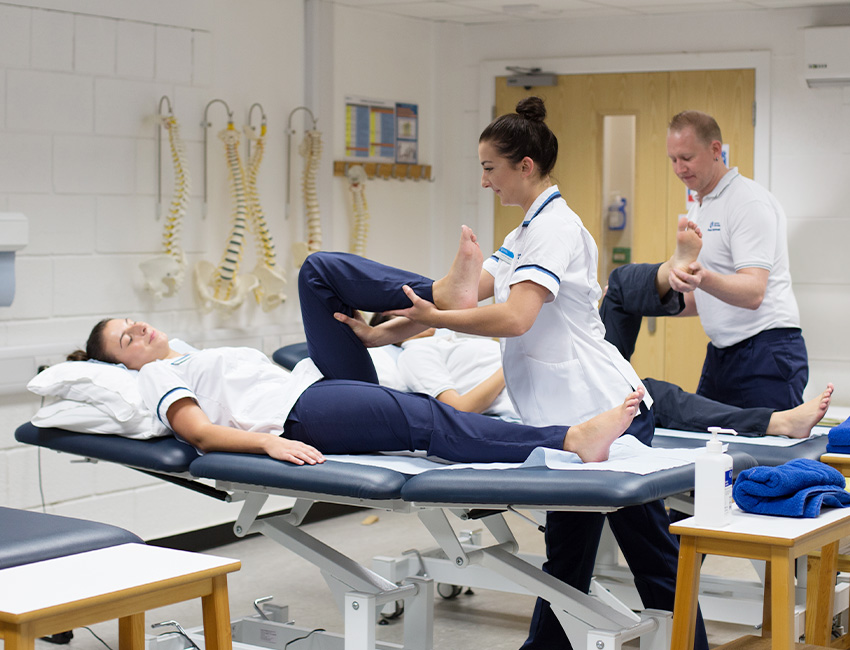
As a student of physiotherapy, you get hands-on experience in treating patients with various physical challenges. You practise exercises, manual therapy, and assistive devices, and observe their benefits firsthand.
You also get to interact with and help a diverse range of patients, athletes, the elderly, and people with disabilities. These interactions empower you to be an efficient Physiotherapist in the future.
2/Specialisation & Job Stability
A physiotherapist has a wide range of areas to specialise in. You can specialise in sports, geriatrics, orthopaedics, or neurological, to name a few.
Each specialisation has its own perks. With a growing demand for physiotherapists, corporations have also started hiring in-house specialists for their teams.
3/ Competitive Pay & Diverse Work Environments
Practising physiotherapists don’t need to meet the hectic schedule of a doctor or a nurse. They often work within standard business hours and have more flexible hours.
Job security is expanding with an increase in care for the ageing population. Physiotherapists can work in various settings, including hospitals, private practices, sports centres, and more.
4/ Career Growth & Global Opportunities
There is a wealth of opportunities for physiotherapists in the current medical job market. Due to the higher demand, studying physiotherapy can also open doors to global careers. There are plenty of opportunities abroad for physiotherapists with a focus on physical rehabilitation, injury ppreventionn and overall health and fitness.
Career Scope
Due to the frequent interactions with patients, a physiotherapist must develop crucial soft skills such as empathy and responsibility. Physiotherapists have a broad spectrum of career opportunities, which includes working in hospitals, nursing homes, healthcare centres, special ed schools, sports facilities, senior citizen homes, or even establishing an independent practice.
Here are some of the most popular specialisations in physiotherapy:
1/ Sports Physiotherapy
Athletes are more vulnerable to muscle strains or tendon injuries owing to their demanding physical activity. These injuries need to be attended to by a trained exercise physiotherapist for quick recovery.
Physiotherapists also help athletes of all ages and abilities to enhance their performance by assisting with injury prevention, physiotherapy maintenance,ce and recovery interventions.
Estimated Income: INR 9-12 Lakhs per annum
2/ Geriatric Physiotherapy
Ageing can reduce the efficiency of the body. Older people suffer from slower reflexes and diminishing muscle strength. Sometimes, achieving functional mobility seems like an unrealistic goal, but a geriatric physiotherapist can help alleviate pain and help elderly citizens remain comfortable in their ageing bodies.
Estimated Income: INR 6.6 – 7 Lakhs per annum
3/ Orthopaedic Physiotherapy
Injuries and disorders affecting the bones, joints, back, neck, and knee can often lead to chronic pain, immobility, and overall weakness. An orthopaedic physiotherapist helps to restore function, alleviate pain, and improve movement and strength in affected areas.
Estimated Income: INR 4 – 7.2 Lakhs per annum
4/ Paediatric Physiotherapy
Children generally have a definite pattern in attaining motor skills as they develop from an infant stage. Sometimes, these developments may vary in their timeline, owing to individual genetic makeup and interactions with their environment.
Some childhood disabilities like Cerebral Palsy, Autism spectrum Disorder, Intellectual Disability,ity or Juvenile Idiopathic Arthritis require professional help. A paediatric physiotherapist identifies developmental disorders in infants, children, and young adolescents to prevent them and assist in the child’s development.
Estimated Income: INR 3.2-7 Lakhs per annum
5/ Neurological Physiotherapy
Individuals with neurological conditions experience disturbances in sending messages between the brain and parts of the body. This can cause loss of coordination, sensation, stability, and motion.
Neurological conditions also affect brain functions such as recognition, verbal communication, recollection, comprehension, and behaviour. These are generally the side effects of common neurological disorders like stroke, Multiple Sclerosis (MS), spinal cord injuries,s and Parkinson’s disease.
Neurological physiotherapists are trained to help patients regain or maintain their maximum movement and functional independence.
Estimated Income: INR 4.2-7.8 Lakhs per annum
Takshashila University: Study Bachelor of Physiotherapy (BPT) in Tamil Nadu
Physiotherapy has become a crucial part of the modern healthcare system. Takshashila University recognises the impact of physiotherapy in the healthcare industry.
We are committed to training students to help individuals maintain and maximise their physical strength and overall well-being. Our School of Physiotherapy offers comprehensive education and training in the field of physiotherapy.
The Department of Physiotherapy provides a productive learning environment with hands-on training. The department provides a research-friendly space for graduates to become competent industry leaders in the field of physiotherapy.
Takshashila University has dedicated state-of-the-art physiotherapy labs equipped with all the latest advancements to train students and enrich their skills as physiotherapists. Apart from the lab, the students also have access to an anatomy lab, an advanced library, and a dedicated computer lab with access to the latest scientific research tools.
Takeaway
- Physiotherapy is a holistic treatment that addresses the overall wellness of an individual.
- There is a growing demand for physiotherapists due to the various lifestyle changes in our society.
- Physiotherapists don’t need to meet the hectic schedule of a doctor or a nurse. They can enjoy the flexibility of practising in different settings at their own pace.
- There are countless opportunities for physiotherapists in India and abroad.
- Takshashila University provides top-notch hands-on training in physiotherapy. They guarantee that students receive valuable placement opportunities and are equipped to meet international standards. Discover student life! Follow @TakshashilaCollege. .Get complete guidance, check out our latest blog about the Physiotherapy over Medicine
FAQ About Studying Physiotherapy
1/ Does physiotherapy have a good future?
Physiotherapy is one of the fastest-growing professions in the field of healthcare, with an estimated growth rate of 5.44% (from 2022 to 2026).
2/ What is the salary after BPT?
Fresh graduates of BPT can expect to earn around INR 15,000 to INR 25,000 per month.
3/ Is physiotherapy harder than medicine?
Physiotherapy is not harder than medicine. Both programs demand hard work, effort, and dedication. Given that both courses are similar in length—BPT taking 4.5 years and MBBS 5 years—they represent a substantial investment in one’s future.
4/ Is BPT equal to MBBS?
No, BPT is not equal to MBBS. Doctors and Physiotherapists have different career paths.
5/ Can I open a clinic after BPT?
Yes, you can open a clinic after completing BPT to start your own practice.
6. What are the main subjects studied during a physiotherapy course?
Physiotherapy students study subjects related to human anatomy, physiology, biomechanics, and rehabilitation techniques. The course also includes pathology, exercise therapy, and electrotherapy. These subjects help students understand body movement, injuries, and recovery methods. Practical sessions are an important part of learning. This combination of theory and hands-on training prepares students to treat patients effectively and build a strong foundation in healthcare.
7. Is physiotherapy suitable for students interested in fitness and health?
Yes, physiotherapy is a great choice for students interested in fitness and overall health. It focuses on improving mobility, strength, and physical well-being. Professionals often work with individuals recovering from injuries or looking to enhance performance. This field combines medical knowledge with fitness principles. It is ideal for those who enjoy active work environments and want to help others maintain a healthy lifestyle.
8. What kind of work environment do physiotherapists have?
Physiotherapists can work in a variety of environments such as hospitals, rehabilitation centers, sports facilities, clinics, and fitness centers. Some may also provide home care services. The work may involve direct patient interaction and physical activity. Each setting offers different experiences, from clinical treatment to sports rehabilitation. This variety makes the profession dynamic and suitable for different career preferences.
9. Are internships important in physiotherapy education?
Yes, internships are a crucial part of physiotherapy education. They provide real-world experience in treating patients under supervision. Internships help students apply their theoretical knowledge, improve practical skills, and understand different treatment methods. They also build confidence and prepare students for professional roles. Employers value candidates with hands-on experience, making internships highly important for career readiness.
10. Can physiotherapy graduates work in rehabilitation centers?
Yes, physiotherapy graduates commonly work in rehabilitation centers where they help patients recover from injuries, surgeries, or disabilities. Their role includes designing exercise plans, improving mobility, and reducing pain. Rehabilitation centers focus on long-term recovery and patient support. This area offers meaningful work as professionals directly contribute to improving patients’ quality of life and independence.
11. What is the importance of patient interaction in physiotherapy?
Patient interaction is a key part of physiotherapy as it helps build trust and understanding. Physiotherapists need to communicate clearly to explain treatment plans and motivate patients. Good interaction improves patient cooperation and recovery outcomes. It also helps in assessing progress and making necessary adjustments to therapy. Strong interpersonal skills are essential for delivering effective care.
12. Is physiotherapy a physically demanding profession?
Yes, physiotherapy can be physically demanding as it involves assisting patients with exercises and movements. Therapists may need to stand for long hours and use physical effort during treatments. However, proper techniques and training help manage this workload effectively. Despite the physical nature of the job, many professionals find it rewarding due to the positive impact on patients’ recovery.
13. Can physiotherapy graduates work with elderly patients?
Yes, physiotherapy graduates often work with elderly patients to improve mobility, balance, and strength. They help manage age-related conditions and prevent falls or injuries. Treatment plans are designed based on individual needs. Working with elderly patients requires patience and care, making it a meaningful area within physiotherapy. This field is growing due to increasing aging populations.
14. What role does physiotherapy play in injury prevention?
Physiotherapy plays an important role in preventing injuries by improving strength, flexibility, and posture. Therapists guide individuals on proper exercise techniques and body movements. This is especially useful for athletes and people with physically demanding routines. Preventive care reduces the risk of future injuries and promotes long-term health. It is an essential aspect of physiotherapy practice.
15. How can physiotherapists continue learning after graduation?
Physiotherapists can continue learning through workshops, certifications, and advanced courses in specialized areas. Staying updated with new techniques and research is important in this field. Continuous learning helps improve treatment methods and career growth. It also allows professionals to specialize in areas like sports therapy or neurological rehabilitation, enhancing their expertise and job opportunities.