Summary
To succeed in agriculture, you need a blend of technical, digital, and soft skills, including precision farming, farm management, data analytics, communication, and problem-solving. These skills open doors to strong careers in government, agri-tech, and business. Want to build them the right way? Explore agriculture programmes at Takshashila University.
Introduction
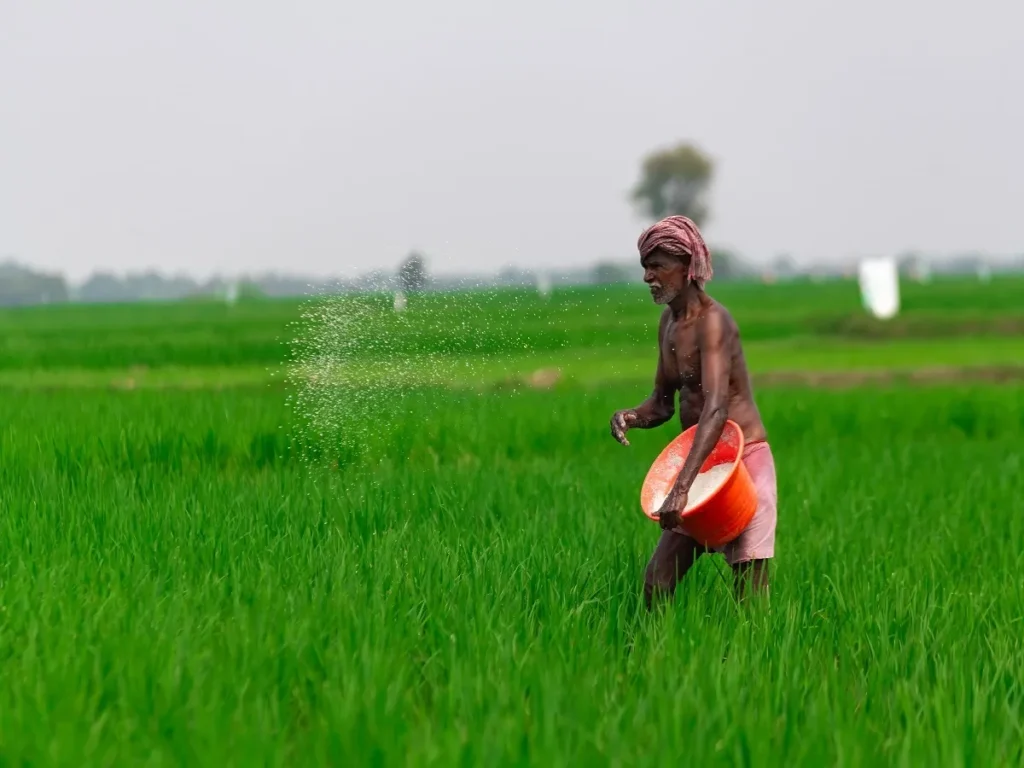
Building the right Agriculture Industry Skills is the key to a successful career. Today’s agriculture goes far beyond farming, so strong Agriculture Skills combined with modern Agri-Tech Skills help you stand out in any role.Check out our last blog About Agriculture vs Biotechnology
Many students wonder what it really takes to thrive in agriculture. This article will solve that by listing the must-have skills, the tools to learn, and a clear path to grow from beginner to expert.
Must-Have Skills for Success
Here are the top Agriculture Industry Skills, listed from the most important:
- Crop and soil knowledge for strong farming decisions.
- Precision farming and modern agri-technology.
- Farm management and resource planning.
- Data analytics for smarter, evidence-based work.
- Communication and teamwork for field and office roles.
- Business and marketing sense for agri-products.
Together, these Agriculture Skills prepare you for both government and private careers.
Technical & Agri-Tech Skills
Strong Agri-Tech Skills give you a real edge in the modern industry:
- Precision Farming with sensors, drones, and GPS tools.
- Soil testing and crop health monitoring.
- Use of farm management software.
- Knowledge of irrigation and smart-farming systems.
- Basic understanding of agri-robotics and automation.
Did you know? The global precision farming market is growing rapidly as more farms adopt sensors, drones, and data tools to boost productivity, according to the FAO. (Source: FAO, United Nations)
Digital & Data Skills
Data Analytics is becoming essential in agriculture. Reading crop data, weather patterns, and market trends helps you make smarter choices. Even basic spreadsheet and software skills make you far more valuable to employers in this data-driven era.
Soft Skills & Employability Skills
Strong Employability Skills help you grow faster in any role:
- Clear communication with farmers and teams.
- Problem-solving in real field situations.
- Leadership and decision-making.
- Adaptability to new methods and seasons.
- Time management and discipline.
Beginner to Advanced Path
Here is how to grow your skills step by step:
| Level | What to Focus On |
| Beginner | Crop basics, soil knowledge, communication |
| Intermediate | Farm management, software, data handling |
| Advanced | Precision farming, analytics, leadership |
Tools & Technologies to Learn
- Farm management apps and software.
- GIS and mapping tools for land and soil.
- Drones and sensors for precision farming.
- Spreadsheet and data analysis tools.
- Weather and crop-monitoring platforms.
Common Mistakes to Avoid
- Focusing only on theory and skipping practical skills.
- Ignoring digital and data tools.
- Avoiding fieldwork and hands-on practice.
- Not improving communication skills.
- Waiting too long to start learning agri-tech.
Common Challenges & How to Overcome Them
Every learner faces a few hurdles, but each one is easy to handle:
- New technology feels hard – start with short online courses.
- Limited field exposure – join internships and projects.
- Weak data skills – practise with simple spreadsheet tasks.
- Low confidence – present projects and join group work.
Skills Checklist
Use this quick checklist to track your Farm Management and overall growth:
- Solid crop and soil knowledge.
- Hands-on precision farming experience.
- Comfort with data and software tools.
- Strong communication and teamwork.
- At least one internship completed.
Pro Tips to Build Strong Skills
- Learn one new agri-tech tool every few months.
- Take internships seriously for real practice.
- Follow agriculture news and innovations.
- Work on small projects to apply your learning.
- Choose a university with modern labs and mentors.
Want to build these skills with expert guidance? Speak with the Takshashila University admission team.
About Takshashila University
Takshashila University builds industry-ready skills through modern labs, hands-on projects, and expert mentors. Beyond agriculture, you can explore the School of Arts and Science and the MBA programme, opening many ways to grow. See campus life on Instagram
Conclusion
Succeeding in agriculture is all about the right mix of technical, digital, and soft skills. Build them step by step, and a world of opportunity opens up. Takshashila University gives you the tools and guidance to grow into a confident professional.
Further Reading (Case Study)
An FAO report highlights how skill development and digital tools are transforming farms and boosting productivity worldwide. These examples show why building strong agriculture skills truly pays off.
FAQ About Agriculture Industry Skills
1. Why choose Takshashila University to build agriculture skills?
Takshashila University builds industry-ready skills through modern labs, hands-on projects, and expert mentors. The practical approach helps you master both technical and soft skills. With programmes across agriculture, science, and management, you gain a strong, well-rounded foundation to succeed in any agriculture career path.
2. Does Takshashila University offer practical skill training?
Yes, Takshashila University focuses heavily on practical skill training through field work, projects, and internships. Students learn modern tools and real-world techniques alongside theory. This hands-on style ensures you graduate with the confidence and ability that employers in the agriculture industry truly value.
3. What are the most important Agriculture Industry Skills?
The most important Agriculture Industry Skills include crop and soil knowledge, precision farming, farm management, and data analytics. Strong communication, problem-solving, and business sense also matter. Together, these technical and soft skills prepare you for success across government, agri-tech, and private sector roles in the industry.
4. Which Agri-Tech Skills are most in demand?
The most in-demand Agri-Tech Skills include precision farming with sensors and drones, farm management software, and crop monitoring tools. Knowledge of GIS, irrigation systems, and basic automation also adds value. These skills make you stand out as agriculture becomes more digital and technology-driven across the industry.
5. How important is Precision Farming as a skill?
Precision Farming is one of the most valuable skills today. It uses sensors, drones, and GPS to improve crop yields and reduce waste. As more farms adopt this technology, professionals skilled in precision farming are in high demand, making it a smart skill to learn early in your career.
6. Why are Data Analytics skills useful in agriculture?
Data Analytics skills help you read crop data, weather patterns, and market trends to make smarter decisions. Even basic data handling makes you more valuable to employers. As agriculture becomes data-driven, these skills boost both farm productivity and your career growth in the modern industry.
7. What do students online say about agriculture skills?
Students online stress the importance of combining practical and digital skills. They recommend learning precision farming, data tools, and communication early. Many advise taking internships seriously and choosing a college with modern labs and mentors to build the right skills for a strong agriculture career.
8. Which Employability Skills matter most, people ask on Quora?
On Quora, students highlight communication, problem-solving, adaptability, and teamwork as the top Employability Skills in agriculture. They note these soft skills help you grow faster in any role. Most suggest pairing them with technical and agri-tech skills to become a well-rounded and highly employable professional.
9. How can I improve my Farm Management skills?
You can improve Farm Management skills by learning resource planning, budgeting, and the use of farm software. Hands-on practice through internships and projects helps a lot. Studying real case examples and working with experienced mentors also builds the confidence to manage farms and teams effectively in real settings.
10. How do I move from beginner to advanced in agriculture?
Move from beginner to advanced by mastering crop and soil basics first, then learning farm management and software, and finally precision farming and analytics. Take internships, work on projects, and learn one new tool regularly. A clear, step-by-step path with good mentors makes steady growth easy and rewarding.