
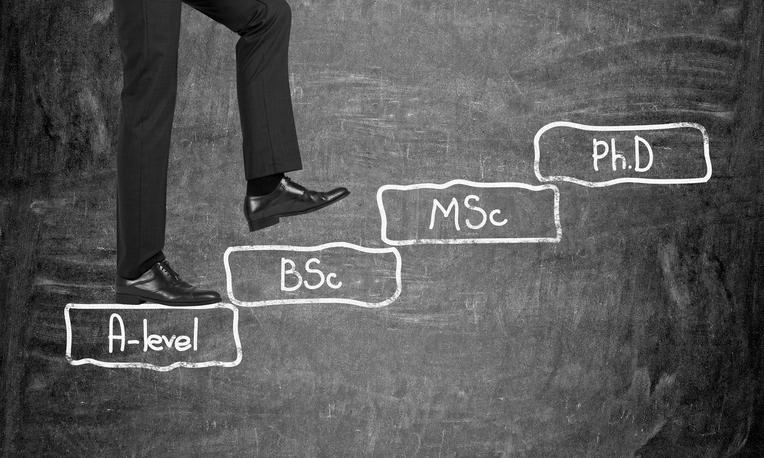
There is a stage in one’s academic and career life where considering a PhD becomes critical, especially if you are to proceed with professional development.
As you read this white paper, you will probably ask yourself why you should invest time, energy, and resources in a Doctorate.
Thus, this article outlines the reasons for doing a PhD and helps you know why an older postgraduate degree may be the best for you.
It doesn’t matter whether you are currently an undergraduate, a student at a postgraduate level, or a person seeking higher education; this article will help you understand how useful a PhD is and the valid reasons to do a PhD.
Reason 1: Deepening Expertise in a Specialized Field
Education in rarefied areas of knowledge is again the most enjoyable and one of the most compelling reasons to do a PhD.
In contrast with the bachelor’s or master’s or any other taught program, the PhD is about concentrating on minute details within a narrow scope, wearing the hat of the expert in that tiny area.
This focuses more on the person’s understanding of the subject matter, but even more so, it makes that person one of the ‘great’ leaders of scholars in that particular area of research.
The Value of Specialized Knowledge
One must appreciate that in most sectors, individuals appreciate specialised knowledge.
For instance, if you have a passion for something like vegetation science or any other related field, you can always find reasons to do a PhD that will help you further push the envelope with new advances and create your own contributions to the field.
This experience enables one to access positions that require a great deal of knowledge on one’s part.
How a PhD Provides Depth
Therefore, you will appreciate that a PhD program consists of studies, coursework, and even an examination, but most importantly, it involves research.
As a result of these processes, you extensively investigate the area that you would love to specialise in and penetrate the issue from many angles.
The experience is so intense that one can gain substantive knowledge and attend to severe problems.
Examples of Specialized Fields
Think of biotechnical sciences, which are areas that require an understanding of biology and advancement, equally valid at the molecular level, that require a good mastery of genetics.
Or even in the humane subjects whose PhD may be in a narrow subfield such as romance studies or postcolonial theory. In this regard, the knowledge acquired, especially at the PhD level on fields, offers excellent potential for the development of innovative studies and practices in the field.
Reason 2: Career Development
Another vital reason to do a PhD is the workplace’s excellent retention and promotion potential. A Doctorate opens doors to various career opportunities that may not be available with only a bachelor’s or master’s degree.
Academic and Professional Career Paths
In agreement with their academic and professional career aspirations, for those inclined towards academia, a PhD is commonly required as a condition for employment in campus faculty positions. It also acts as a springboard in research positions where one can be in charge of projects and shape the course of the discipline.
In the corporate world, most organisations value the research skills and proficiency that come with a PhD, making PhD holders often occupy high ranks and have better incomes.
PhD’s Impact on Career Opportunities
Job prospects for most PhD holders, however, seem to be a blessing in disguise. These increases include job stability, potential wages, and an edge over competitors.
This degree also indicates to employers that you have the richness of knowledge acquisition, dedication of effort, and capacity to carry out specialised research, hence making you important to the firm.
Industry Demand for PhD Holders
Several disciplines purposely look for PhD holders.
For instance, the pharmaceutical industry, engineering differences, and academic disciplines command higher expectations of their workers due to the need for innovations and strategic resolution of issues.
More demand means higher chances of suitable employment, career growth, and advancement.
Reason 3: Contributing to Knowledge and Research
There is the familiar perception that reasons to do a PhD are selfish, but this is not the case since it also enhances knowledge. For many students, this element of pursuing a Doctorate is quite enjoyable.
Understanding the Importance of Research in Society
Research is an important factor in advancing society, whether through health-related cures or technological advancements.
Getting a PhD in running also involves participating in such an activity, in that you create new knowledge that can help solve societal issues and bring about improvements.
Self-Satisfaction Brought About by Research
It is not uncommon for students enrolled in PhD programs to derive joy from their research.
They enjoy thinking and searching for new ideas, resolving difficult and interesting tasks, and mastering their professions.
This level of achievement is among the reasons why many take up the task of seeking a doctorate-level Qualification.
Research Contributions to Societal Improvements
Think of the research done on climate science and how that has helped many understand climate change and the possible ways to combat it.
Or how better medications have been developed because of rigorous scientific research, and hence, many lives have been saved. No matter the field of study, all research work has some use.
Why Do People Have the Desire to Carry on With Studies and Acquire a PhD
Aside from the reasons specified above, there are a number of advantages to achieving a PhD and, therefore, further education.
Intellectual Growth
Your personal and professional capabilities will reach new heights during your PhD, pushing all heroes to their limits and making everyone capable of critical analysis and complex problem-solving.
This enhancement has excellent potential for development.
Network Opportunities
While undertaking the program, you will have the opportunity to meet great minds in the subject, people you are researching, and who are professionals in the discipline.
These connections can be of great help in academic collaboration and career possibilities.
Personal Development
Completing a PhD enables you to address your individual needs in a way that is most beneficial to your career aspirations.
You will still possess these attributes, which are of great use in any working environment: self-discipline, the ability to prioritise and manage one’s time effectively, the skill to conduct research independently, etc.
Challenges of Doing a PhD
Briefly outline the benefits of a PhD, but let people understand the relevant challenges associated with its pursuit—the time factor.
While a PhD is a worthwhile task, the time it consumes is unbelievably long—it often takes years. Doing research, attending classes, and engaging in personal activities can be overwhelming.
Financial Considerations
Stay turned on by the factors enumerated. There are always advantages, but then there will still be disadvantages.
One has to find a way out since some students may need help furthering their PhD studies owing to a lack of finances. It is healthy to determine limitations and develop a strategy for applying for funding or getting scholarships.
Blending Research Professionalism With a Personal Life
A work-life balance is tricky to achieve when pursuing a PhD program. Balancing the needs of research and other academic obligations may take a toll on personal life; therefore, proper time utilisation and obtaining help whenever necessary are essential.
How to Brace Yourself With the Expectations of a PhD
It is feasible to fulfil a PhD program, but preparation must be made.
Choosing the Right Program
Consider looking into expanding your best program options. Factors such as the expertise of the faculty staff, the research facilities, and the overall reputation of the program itself are worth looking into.
Get a PhD Recommender
An encouraging mentor is essential, as he/she will always give you direction, validation, and motivation during your PhD. Look for active professors or researchers whose work aligns with your interests.
Policy Cost Management
Look for funding for your studies through scholarships, fellowships, and assistantships. Financial management will ease your pressure and enable you to concentrate more on your work.
The Role of Takshashila Institution
Favourable conditions exist for those aspiring to enhance their studies in public policy and governance at the Takshashila Institution.
Overview of Takshashila Institution
Takshashila Institution is a self-governing research and educational institute working on public policies in India. The institution promotes policy values of individual and collective freedom, open access to information, and active representation of citizenry, aiming to reshape terminology dependency in India through better policies.
How Takshashila Benefits PhD Scholars
Takshashila helps individuals in their research and also provides educational programs in the form of distance learning. Universities foster independent study of their PhD candidates’ pursuit by connecting them to viable networking and brilliant ideas.
Takshashila Benefits the Members and How They Can Interact with Takshashila
Try to search and learn at Takshashila regarding various global and public policy issues through the polity and policy programs of the centre. Participating in Takshashila will improve your research and help you make important contacts.
Making the Decision
When an individual desires to acquire a doctorate-protected degree, the decision is fairly important, and thus, the immediate aspect of considering one’s goals and aspirations comes into play.
Goals and Aspirations of the Individual
Make sure to note your career path priorities and important determinant factors, including your personal goals. The dream of achieving such a high academic award should correspond with where you see yourself in the future and help you grow professionally, too.
Positive and Negative Effects of Studying for a Doctor of Philosophy
Analyse the reasons for and against reasons for going after a doctoral degree. Look at the career prospects, working your head, and then compute the investment of time and money buckets.
Getting Professional Assistance
Engage with teachers, professional practitioners, and mentors. They can help you with the decision and guide you on the journey towards acquiring a PhD.
Now, There’s No Limit for You: Undertake a PhD Course at Takshashila University!
Are you thinking about the possibility of doing a Ph.D.? Here are four significant factors urging you to do PhD at Takshashila University:
- People of the particular discipline help you carry out innovative studies.
- Utilization of advanced technologies;
- Good industry links to boost chances of employment;
- Useful learning atmosphere.
A PhD from Takshashila University does not just increase your understanding of the discipline; it brings exceptional prospects as well. Start your learning process with us – sign up!
Conclusion
So, we can summarise: there are good reasons to do a PhD. Whether it be deepening one’s knowledge and expertise in one specific area, getting ahead in life, or taking part in worthwhile research work, a PhD presents many opportunities.
If you are ready to face the challenges in your field and are very passionate about it, then a Doctorate could be the next step towards fulfilling both academic and professional purposes.
Look for things you want from a PhD and how they would fit your aspirations.
Additionally, the Takshashila Institution makes available resources and programs and offers further advice on how to help you fulfil those aspirations. From passion to profession, take the first step @TakshashilaCollege.for more information about the PhD. You can check out these blogs How to Apply For a PhD
Frequently Asked Questions (FAQs) About Valid Reasons To Do a PhD
1. How long does a PhD program last on average?
On average, a PhD program lasts between three and seven years, depending on the discipline and type of research involved.
2. Does a doctoral degree help in terms of income?
It is reaching such high qualifications as a PhD. This is especially true when the job requires not only an advanced degree but also sophisticated knowledge and considerable research ability. The earning potential of PhD holders is many times greater than that of those with just a first degree or a first plus master’s.
3. What are the common hurdles during a PhD?
Common challenges in this area include time commitment, finances, and managing work and personal life’s available time and activities. Moreover, the quest to achieve research that no one has done before can sometimes be overwhelming.
4. What do I need to consider before settling for a PhD program?
Analyse the extent to which the program you intend to undertake matches your career goals and how well-resourced the program is in terms of faculty and reputation. Seek input from current students or professionals in the field.
5. What resources do the PhD students have access to?
Advisors may include formal academic advisors, faculty members overseeing a specific research project, funding, colleagues, and amenities provided by the institution, like a library or research centre.
6. What are the benefits of pursuing a PhD degree?
A PhD offers several benefits, including advanced knowledge, research expertise, and strong career opportunities. It helps individuals specialize deeply in a subject and opens doors to academic, research, and leadership roles. PhD holders are often preferred for senior positions and may earn higher salaries over time. It also builds critical thinking and problem-solving skills, making it valuable for long-term professional growth.
7. How does a PhD improve career opportunities?
A PhD enhances career opportunities by qualifying individuals for specialized and high-level roles. It is often required for academic positions like professors and researchers. In industries, it helps secure roles in research, consulting, and leadership. Employers value the analytical and problem-solving skills developed during a PhD. This qualification can also provide a competitive advantage in both academic and corporate sectors.
8. Is financial support available during a PhD program?
Yes, many PhD programs offer financial support through scholarships, fellowships, and assistantships. These may cover tuition fees and provide a stipend for living expenses. Some students also receive funding for research projects. Availability depends on the university and program. Exploring funding options early can reduce financial stress and allow students to focus more on their research work.
9. Can PhD students publish research during their program?
Yes, publishing research is an important part of a PhD program. Students are encouraged to publish their work in academic journals and present at conferences. This helps build credibility and contributes to the academic community. Publications also improve career prospects after graduation. Developing strong research and writing skills is essential for successfully publishing during the program.
10. What is the role of a PhD supervisor?
A PhD supervisor guides students throughout their research journey. They help in selecting a research topic, planning methodology, and reviewing progress. Supervisors also provide feedback on research work and support in publishing findings. Their mentorship is crucial for academic development and successful completion of the program. Choosing the right supervisor can significantly impact the overall PhD experience.
11. How important is time management during a PhD?
Time management is extremely important during a PhD due to long-term research commitments. Students must balance coursework, research, writing, and personal life effectively. Proper planning helps in meeting deadlines and avoiding stress. Setting realistic goals and maintaining a schedule improves productivity. Good time management ensures steady progress and timely completion of the program.
12. What are the key differences between a PhD and a master’s degree?
A master’s degree focuses on advanced learning of existing knowledge, while a PhD involves creating new knowledge through original research. PhD programs are longer and require deeper specialization. They also involve writing a thesis based on independent research. While a master’s degree improves job prospects, a PhD opens doors to research, academic, and high-level expert roles.
13. Can I pursue a PhD in a different specialization?
Yes, it is possible to pursue a PhD in a different specialization if there is some connection to your previous studies. You may need to demonstrate relevant knowledge or skills. A strong research proposal and clear explanation in your application can support the transition. However, choosing a related field usually increases the chances of acceptance and success.
14. What is the importance of networking during a PhD?
Networking is important during a PhD as it helps build professional connections with researchers, professors, and industry experts. Attending conferences and seminars allows students to share ideas and learn from others. Strong networks can lead to collaborations, job opportunities, and research funding. Building relationships during a PhD can greatly support long-term career growth.
15. How does a PhD contribute to innovation and research?
A PhD contributes to innovation by encouraging original research and new ideas. Students work on solving complex problems and advancing knowledge in their field. Their findings can lead to technological advancements, improved processes, or new theories. This contribution is valuable for academic progress and industry development. PhD research plays a key role in driving innovation and societal growth.
16. What are the career paths outside academia after a PhD?
Outside academia, PhD graduates can work in industries such as technology, healthcare, consulting, and finance. They may take roles like research scientists, analysts, consultants, or policy advisors. Many companies value their expertise and analytical skills. These careers often offer high salaries and leadership opportunities. A PhD provides flexibility to explore both academic and non-academic career paths.