
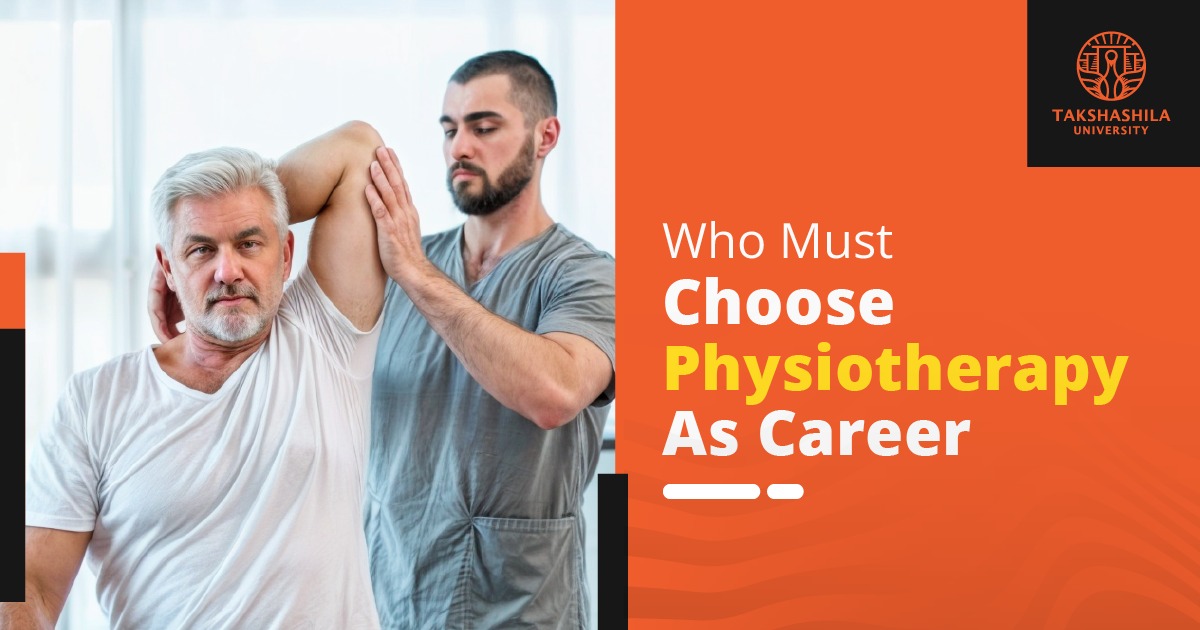
Moving better, feeling better, and living a more active lifestyle is an absolute blessing. But have you ever considered a career in which you help others to live a better life? Then Physiotherapy As Career? might be your call. It is a profession where you will find new challenges, new stories,s and new ways to heal every day.
Physiotherapy is a career dedicated to enhancing physical function, improving mobility, and promoting overall health via therapeutic exercises and manual therapy. In today’s growing digital landscape, where everyone is chained in front of our systems, the demand for physiotherapists is skyrocketing.
This demand for skilled Physiotherapists translates into a wealth of opportunities and job security. Beyond job surety physiotherapy as a career offers a wholesome fulfilment. It is a profession where you see your work directly impact the lives of patients immediately. Physiotherapy as a career requires patience, compassion, and excellent communication skills.
So, if you are one of those wloveves to help people feel better, move better, and live active lives, then Physiotherapy as a career is something you should consider.

Physiotherapas aAs Career With Takshashila University
To pursue Physiotherapy as a career, you will need a Bachelor’s degree in Physiotherapy. This is the only educational path that will lay the foundation for your knowledge and practical skills needed for the profession.
Takshashila University offers a program,m “School for Physiotherapy,” which is led by experienced faculty who are experts in the field. It is a place where students will gain an in-depth understanding of biomechanics, human anatomy,y and types of illnesses and injuries that will affect the human body.
Takshashila’s curriculum emphasises developing personalised treatments to cater to patients’ unique goals and needs. Takshashila University’s School of Physiotherapy course is known for imparting skills, knowledge, and valuestoo students while preparing them for the patient world. Their curriculum is based on Outcome Based Education (OBE) model, placing students at the center of the equation.
This outlines their policies, procedures, evaluation system, and curriculum, which ensure the highest quality education. After completing your degree, obtaining registration with relevant regulatory bodies is crucial to practising professionally.
Understanding Physiotherapy As A Career
As a Physiotherapist, a person with Physiotherapy as a career, you will play an important role in regaining mobility, managing pain, and improving the overall health of patients. The satisfaction of helping someone to walk again after a major physical trauma or chronic pain is unimaginable.
Physiotherapists are important in employing therapeutic exercises, rehabilitation, and manual therapy to help patients recover. In the sports landscape, physiotherapists will help athletes to prevent injuries and improve performance. A neurological physiotherapist focuses more on helping patients recover from major conditions like Parkinson’s disease or stroke to regain functional abilities.
Variety In Physiotherapy As A Career
Physiotherapy as a career offers a broad spectrum of career opportunities. You can work in clinics and hospitals, own a private clinic, or even work on a sports team. This diversity means not all the days are the same.
Choosing physiotherapy as a career, you can specialise in particular fields like paediatrics, cardiopulmonary,y or orthopaedics, cs which will allow you to be an expert in one field. One great advantage is that you get to work with different age groups from toddlers to the elderly,rly thus meeting various needs.
Challenges In Physiotherapy As A Career
Physiotherapy as a career requires a unique combination of scientific and practical skills. Every day with every other patient is like solving a new puzzle every day.
- You must be able to assess, diagnose, and craft personalised treatments. Therefore, fore problem-solving is the first skill you should acquire if you are choosing physiotherapy as a career is problem-solving.
- Continuous learning is also another important cornerstone of this profession. You’ll have to take up courses,d attend workshops,s and conferences to stay up to date. This ongoing learning process ensures that you provide the best possible care to your patients.
So if you are looking for a profession that will make a tangible impact on people’s lives and physical health,th then physiotherapy as a career is the one for you.
Qualities Of A Successful Physiotherapist
Genuine care and empathy towards patients are extremely important if you take up Physiotherapy as a career. Physiotherapists are those who truly want to help others improve their quality of life. They motivate and support patients through their recovery journey while offering reassurance and encouragement. Here are a few qualities of a successful physiotherapist:
- Strong Communication Skills: As Physiotherapists clear and concise communication is important. You should be able to translate complex medical concepts into a simple language that patients can understand. Active listening also plays an important role in understanding patients’ concerns and tailoring treatments for the best results.
- A Detail-Oriented Mind: A keen attention to detail is needed in physiotherapy as a career. Analytical skills are needed in order to interpret patients’ data, identify issues, and refine therapeutic approaches. This accuracy ensures patients receive treatments as per their condition.
- Stamina and Patience: Physiotherapy as a career can be demanding. It requires lifting and assistance, once requiring a significant amount of strength and stamina. But beyond the physical aspect,ects patience is key. Recovery is a journey that nepatience pat. Youe you must be committed to helping patients stay motivated even when the process is slow. This combination ensures patients dlose loose their hope through the healing process.
These are some of the key qualities you’ll need if you choose physiotherapy as a career. Incorporating these qualities into your practice will make you a successful Physiotherapist.
Conclusion
Physiotherapy as a career often offers that which is rewarding and at the same time impactful. Blending scientific knowledge with compassionate patient care can give a new life to both the patient and you. This career is most suited for those with a genuine desire to help others, strong communication skills, attention to detail, a nd patience.
If these qualities resonate with you, then consider exploring the School of Physiotherapy program offered at Takshasila University. It is an excellent place to start your career in physiotherapy with an expert faculty team and a flexible curriculum. Dive deeper into physiotherapy with Takshashila and see where this dynamic field can take you. Discover student life! Follow @TakshashilaCollege. Get complete guidance, check out our latest blog about BPT and BSc Physiotherapy
Frequently Asked Questions (FAQs) – Who Must Choose Physiotherapy As A Career?
1. What educational qualifications are needed to pursue physiotherapy as a career?
To pursue physiotherapy as a career, you need a Bachelor’s degree in Physiotherapy. Programs like the one offered at Takshashila University can equip you with knowledge in human anatomy, biomechanics, and therapeutic techniques, thus preparing students.
2. What skills will make me a good fit for physiotherapy as a career?
Key skills that will make you a good fit for physiotherapy as a career include genuine empathy for patients, communication skills, attention to detail, stamina, and patience. These traits will ensure you provide effective care and support to your patients.
3. What are the career opportunities and growth prospects in physiotherapy?
Physiotherapists can work in various settings, including hospitals, clinics, sports teams, and private practices. There are also opportunities in research and education. Career promotions can lead to leadership roles such as department heads or clinical directors.
4. How is the job outlook and salary range for physiotherapy as a career?
The job outlook for physiotherapists is positive. There is increasing demand due to an ageing population and greater awareness of physical therapy’s benefits. Salaries are competitive and reflect the skills and expertise required for the role.
5. What makes the School of Physiotherapy at Takshashila University stand out?
The School of Physiotherapy at Takshashila University offers a program led by experienced faculty. The program focuses on a deep understanding of human anatomy and biomechanics. The curriculum is based on the Outcome-Based Education (OBE) model, ensuring a flexible learning experience that prepares students to become informed global citizens.
6. Who should consider choosing physiotherapy as a career?
Physiotherapy is ideal for students who are interested in healthcare, fitness, and helping people recover from injuries. It suits individuals who enjoy practical work, patient interaction, and active job roles. Those with patience, empathy, and strong communication skills can excel in this field. It is also a good choice for students who prefer a non-surgical, drug-free approach to treatment and rehabilitation.
7. Is physiotherapy suitable for students who prefer hands-on careers?
Yes, physiotherapy is highly suitable for students who prefer hands-on and practical careers. The profession involves direct patient interaction, physical assessments, and treatment through exercises and therapy techniques. Unlike desk-based jobs, it requires active involvement and movement. This makes it a great option for those who enjoy dynamic work environments and want to apply their knowledge in real-life situations.
8. What kind of personality traits help in physiotherapy careers?
Certain personality traits can greatly support success in physiotherapy. Being patient, compassionate, and attentive helps in understanding patient needs. Good listening skills and a positive attitude improve patient trust and recovery outcomes. Physical stamina and dedication are also important due to the nature of the work. These traits, combined with technical knowledge, make a strong foundation for a successful career.
9. Can physiotherapy be a good option for students interested in sports?
Yes, physiotherapy is an excellent option for students interested in sports and fitness. Physiotherapists work closely with athletes to prevent injuries, improve performance, and support recovery. Opportunities exist in sports teams, fitness centers, and rehabilitation clinics. This career path allows individuals to combine their passion for sports with healthcare, offering a dynamic and rewarding professional journey.
10. Is physiotherapy a good choice for long-term career stability?
Physiotherapy offers strong long-term career stability due to continuous demand in the healthcare and wellness sectors. As awareness about physical health increases, the need for trained professionals continues to grow. The field also provides flexibility in work settings, including hospitals, clinics, and private practice. With experience and specialization, professionals can achieve a steady income and long-term career growth.
11. Can physiotherapy be pursued by students interested in helping society?
Yes, physiotherapy is a meaningful career for those who want to contribute to society. Professionals help individuals recover from injuries, improve mobility, and lead healthier lives. They often work with patients who require long-term care and support. This role allows individuals to make a direct and positive impact on people’s well-being, making it a socially rewarding profession.
12. Is physiotherapy a good career for students who prefer flexible work options?
Physiotherapy offers flexibility in terms of work environments and schedules. Professionals can choose to work in hospitals, clinics, or set up their own practice. Some also offer home-based services or part-time consultations. This flexibility allows individuals to balance personal and professional life effectively. It is a suitable option for those who value independence and adaptable work routines.
13. Can physiotherapy be a good choice for students avoiding long academic paths?
Yes, physiotherapy can be a suitable option for students who prefer a shorter academic route compared to some other medical careers. The course duration allows students to enter the workforce relatively earlier. It provides practical skills and job readiness without requiring extremely long years of study. This makes it a balanced choice for those seeking quicker career entry with good growth potential.
14. What motivates students to choose physiotherapy over other careers?
Students often choose physiotherapy due to its practical nature, growing demand, and ability to help people recover without surgery or medication. The opportunity to work closely with patients and see visible improvements is highly motivating. It also offers diverse career paths in healthcare and fitness. These factors make it an attractive and fulfilling career option for many students.
15. How does physiotherapy support personal and professional satisfaction?
Physiotherapy provides both personal and professional satisfaction by allowing individuals to make a real difference in patients’ lives. Helping people recover from pain and regain mobility brings a sense of achievement. Professionally, the field offers growth, stability, and diverse opportunities. This balance of purpose and career development makes physiotherapy a rewarding long-term career choice.