
BACHELOR OF ARTS IN INTERNATIONAL RELATIONS AND PUBLIC POLICY WITH ADF
Dream of Making a Difference in the World? Choose Best B A International Relations and Public Policy with ADF College in Tamil Nadu
- Hands-on Training
- Faculty with International Experience
- Advanced Curriculum
- Upto 100% Scholarship based on merit

About the Course
B A International Relations and Public Policy with ADF in Tamil Nadu combines the study of global politics, diplomacy and governance with the analysis of public policy. Students looking for the best International Relations and Public Policy with ADF colleges in Tamil Nadu will study international organisations, foreign policy, comparative government, economics and policy research methods. Seminars, simulations and case-based learning prepare graduates for civil service preparation, policy research and international organisation roles.
To develop analytically sharp, socially conscious economists who can link theory with policy, business decisions, and everyday economic realities.
WHY CHOOSE BACHELOR OF ARTS IN INTERNATIONAL RELATIONS AND PUBLIC POLICY WITH ADF
Choosing among ADF colleges for International Relations and Public Policy starts with the curriculum, which should combine political theory, international affairs and policy analysis. The strongest programmes offer debate forums, model United Nations activities and guest lectures from diplomats and policy practitioners, so students develop both knowledge and communication skills. Faculty with research or government experience help students connect theory to current events. Students should also check how a college supports internships, research projects and career guidance for public service examinations. Careful comparison helps families match the course to their goals.
Advanced Commerce Curriculum
Top colleges for International Relations and Public Policy with ADF cover foreign policy, governance and global institutions.
Research & Practical Learning
Debates, model UN events, simulations and policy workshops build practical skill in analysis and argument.
Expert Faculty & Mentorship
Experienced faculty and practitioner guest lectures guide research, academic growth and career-focused guidance throughout your study.
Future-Ready Learning
Internship, research and career guidance support connect graduates with government offices, think tanks and organisations.
Course Curriculum

Year 1
Year 1: Engineering & Computing Foundations
Semester 1:
Engineering Mathematics I (Calculus & Linear Algebra)
Programming for Problem Solving (C / Python)
Digital Logic & Computer Design
Engineering Physics / Chemistry
Technical Communication & Soft Skills
Semester 2:
Engineering Mathematics II (Differential Equations & Probability)
Object-Oriented Programming (Java / C++)
Data Structures & Algorithms
Basic Electrical & Electronics Engineering
Environmental Science
Year 2
Core Computer Science & Cloud Infrastructure
Semester 3:
Discrete Mathematics & Graph Theory
Operating Systems (Linux System Administration focus)
Computer Networks & Protocols
Database Management Systems (DBMS & SQL)
Introduction to Cloud Computing & Virtualization
Semester 4:
Software Engineering & Agile Methodologies
Design & Analysis of Algorithms
AWS Cloud Architecture & Fundamentals (IAM, EC2, S3, VPC, Route 53)
Web Technologies (HTML5, CSS, JS, Node.js)
Version Control Systems (Git & GitHub)
Year 3
Semester 5:
Computer Organization & Architecture
Containerization Technologies (Docker, Container Management)
Container Orchestration (Kubernetes, Amazon EKS, ECS)
Infrastructure as Code (IaC) (AWS CloudFormation, Terraform)
Elective I (e.g., Big Data on Cloud / Microservices Architecture)
Semester 6:
Continuous Integration & Delivery (CI/CD Pipelines) (Jenkins, AWS CodePipeline, CodeBuild, CodeDeploy)
Configuration Management & Automation (Ansible, Puppet)
Cloud Security & DevSecOps (AWS IAM Policies, KMS, Encryption, Zero-Trust)
Cloud Monitoring, Logging & Observability (AWS CloudWatch, CloudTrail, AWS X-Ray, Grafana)
Elective II (e.g., Serverless Computing with AWS Lambda)
Year 4
Semester 7:
Site Reliability Engineering (SRE) & Chaos Engineering
Enterprise Cloud Solutions & Cost Optimization (FinOps)
Industry Elective III (AI/ML on AWS using Amazon Bedrock / SageMaker)
Minor Project / Cloud Architecture Blueprinting
Semester 8:
Full-Time Major Industry Capstone Project (Deploying end-to-end production applications on AWS with automated CI/CD & IaC)
Internship & Comprehensive Viva-Voce
SCOPE OF THE PROGRAMME
The scope of B A International Relations and Public Policy with ADF in Tamil Nadu is wide, reflecting how governments, organisations and businesses depend on informed understanding of global affairs and public policy. Graduates who look for the Best International Relations and Public Policy with ADF Universities in Tamil Nadu will find that the field spans government service, research, advocacy and international work, which opens many routes. Civil service preparation is a major path, with graduates preparing for state and central examinations that recruit administrators for governance roles. Foreign service and diplomatic careers suit those who prepare for national examinations and develop language and negotiation skills. Policy research positions in think tanks and research institutes analyse public issues and advise decision makers. Non-governmental organisations and international development agencies recruit graduates for programme planning, advocacy and field coordination. Media and journalism roles suit those who report on international affairs, elections and public policy. Corporate government relations and public affairs teams need professionals who understand regulation and political developments. Legal and compliance roles in international trade and regulatory bodies offer further scope. Teaching and academic research in universities are open to those who continue to postgraduate study. Overall, the scope of this degree is strong for students who want to understand the world and help shape how it is governed.
Career Scope
Graduates of B A International Relations and Public Policy with ADF from the top colleges in Tamil Nadu can build careers across government departments, think tanks, NGOs, media organisations and corporate public affairs teams. Placement results vary by institution, so compare International Relations and Public Policy with ADF placement records, internship partners and alumni outcomes before choosing a college. Early roles usually involve research support, policy briefing, programme coordination and report writing. With experience, professionals move into policy analysis, programme management, advocacy leadership and senior administrative roles. Salaries depend on employer, city and whether the role is in government, research or the private sector. Strong writing, public examination preparation and internship experience strengthen applications. Over time, experienced professionals can lead policy teams, represent organisations internationally or move into academia.
- Civil Services Officer (State or Central)
- Policy Analyst
- Research Associate (Think Tank)
- NGO Programme Officer
- Public Affairs Officer
- International Relations Officer
Why TAKSHASHILA?

At Takshashila University, we are committed to providing a high-quality education in economics that prepares you for a successful career in a dynamic and evolving global economy. Here’s what we offer:
Industry-Relevant Curriculum
Our curriculum is designed to align with current industry needs and equip you with the skills required to thrive in the modern world of economics.
Personalized Learning Experience
With small class sizes and individual attention from faculty, you will have the support you need to excel academically and professionally.
Global Perspective
We provide opportunities for students to gain international exposure and understand the nuances of global economic systems, preparing them for global careers.
Practical Learning Opportunities
Students will engage in live projects and internships, developing real-world problem-solving skills and gaining valuable industry experience.

To apply for the B.A. Economics Honors programme, candidates must meet the following criteria:
- Academic Qualification: You should have completed your 10+2 or equivalent with science subjects (preferably Biology, Chemistry, and Physics).
- Minimum Marks: You need to have at least 50% marks in your qualifying exam.
- Entrance Exam/Interview: Some cases may require an entrance exam or interview to check your suitability for the program.
- Course Fees: ₹25,000 per semester.

For All Programmes except MBA, MCA, M.Tech, and Integrated Programmes offered by Sunstone, FacePrep, Kalvium and NxtWave
S.No | % of Marks | Scholarship Amount in Tuition Fees per year |
1 | 60% – 75% | 10% |
2 | Above 75 % – 90 % | 25 % |
3 | Above 90 % | 50 % |
Calculation of percentage of Marks (+2 of HSC / 2nd Year of APBIM or +2 of CBSE or Equivalent)
- Engineering – Average marks in Mathematics, Physics, Chemistry/Computer Science
- Lateral Entry – Average marks in Diploma Programme.
- Agriculture – Average marks in Physics, Chemistry, Biology / Botany &Zoology
- AHS / BPT / Pharmacy – Average marks in Physics, Chemistry, Biology / Botany &Zoology/Bio Tech
- UG – Arts & Science / Hotel Management – Overall +2 marks – (+2 of HSC / 2nd Year of APBIM or +2 of CBSE or Equivalent)
- PG – Overall % in UG
- Diploma – Average mark in 10th /Equivalent
MBA, MCA, M. Tech, and Integrated Programmes offered by Sunstone, FacePrep, Kalvium and NxtWave – No Academic Scholarship applicable.
Experience Beyond the Classroom at Takshashila University
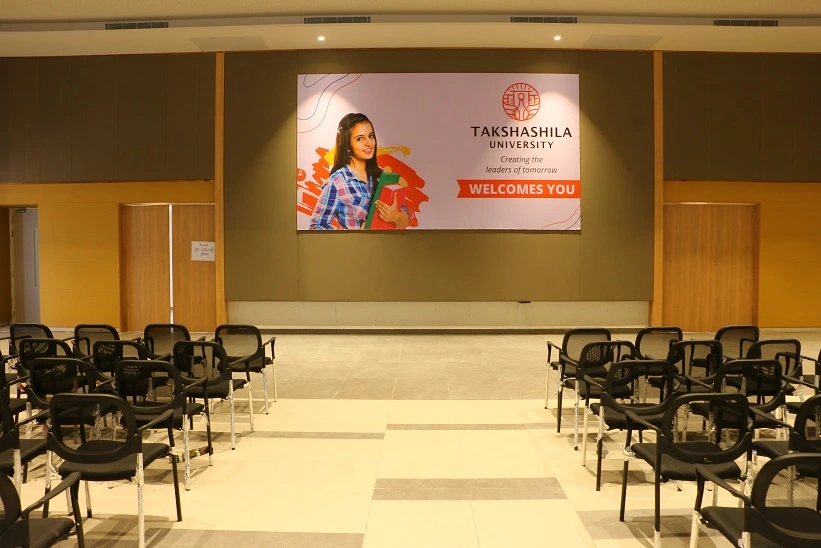
At Takshashila University, life extends beyond academics. Students engage in a range of extracurricular activities, networking events, and internships that help develop leadership skills, teamwork, and personal growth.
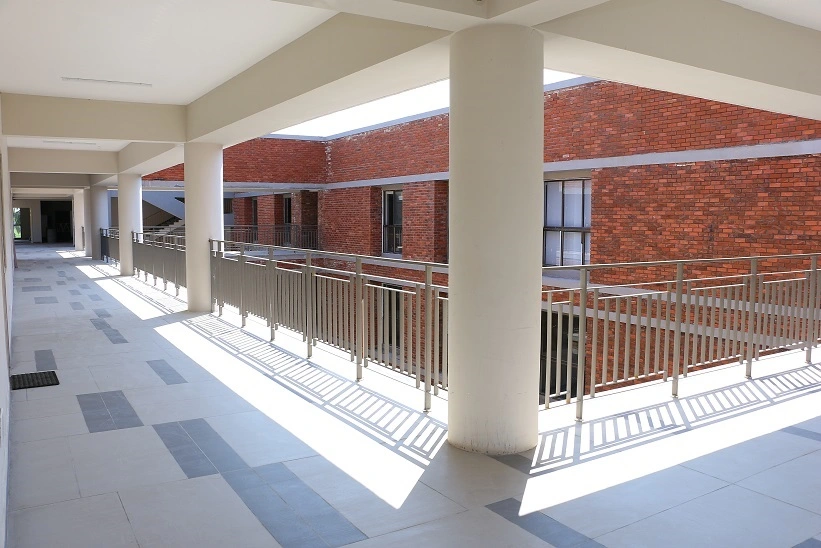
Spread over 150 acres
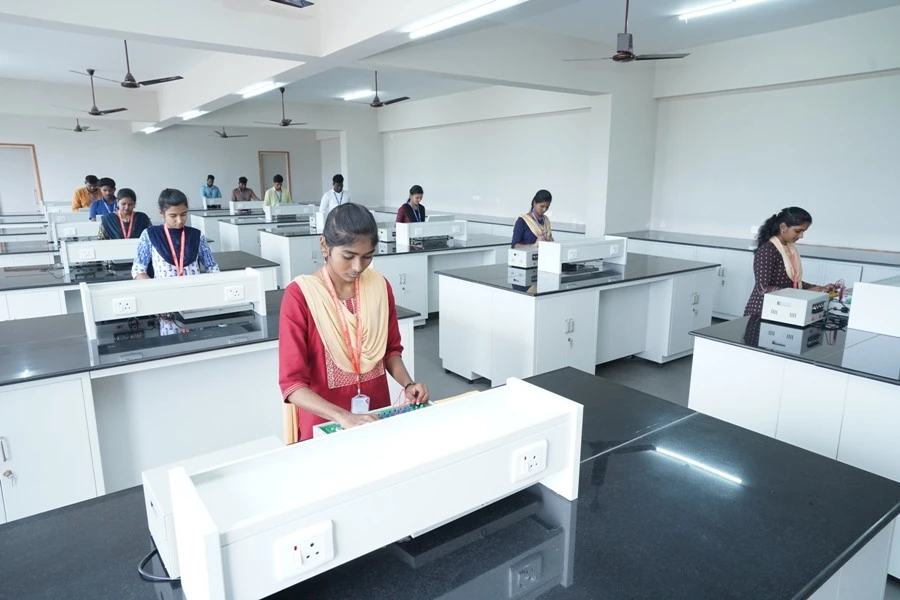
At Takshashila University, you will have ample opportunities to hone your skills in real-world healthcare settings, utilising state-of-the-art medical facilities and simulation labs on our 150-acre campus.






Become a Diplomat, Policy Analyst, or International Relations Officer Join the Best B A International Relations and Public Policy with ADF College in Tamil Nadu Today
Frequently Asked Questions (FAQs)
1. Best Colleges for International Relations and Public Policy with ADF in Tamil Nadu?
Choosing the best colleges depends on curriculum depth, debate and simulation activities, faculty experience, and placement records. Compare these factors before shortlisting any institution.
2. Top 10 International Relations and Public Policy with ADF Colleges in Tamil Nadu?
Rankings change each year and depend on the criteria used. Ask each college for its own verified data on faculty, outcomes and student activities rather than relying on any single list.
3. International Relations and Public Policy with ADF Admission in Tamil Nadu Full Guide?
B A International Relations and Public Policy with ADF Admission in Tamil Nadu is based on eligibility and merit, and some institutions may hold entrance tests or interviews. Check the official Takshashila University prospectus for the current schedule and process.
4. International Relations and Public Policy with ADF Eligibility Criteria in Tamil Nadu?
B A International Relations and Public Policy with ADF Eligibility Criteria Tamil Nadu generally call for a 10+2 qualification in any stream, along with a minimum mark requirement. Confirm the details in the official prospectus, as they can vary by intake.
5. International Relations and Public Policy with ADF Fees and Fee Structure in Tamil Nadu?
B A International Relations and Public Policy with ADF Fees in Tamil Nadu vary by programme year and institution, so the official fee schedule holds the most accurate figures. The B A International Relations and Public Policy with ADF Fee Structure Tamil Nadu typically covers tuition, examination, activity and library charges, payable annually or per semester.
6. International Relations and Public Policy with ADF Scholarships in Tamil Nadu?
Yes, students may be eligible for government scholarships for merit, community categories, and first-generation learners. B A International Relations and Public Policy with ADF Scholarships in Tamil Nadu are also sometimes offered by institutions, so check current schemes with the university.
7. Government Jobs After International Relations and Public Policy with ADF in Tamil Nadu?
Government administrative services, foreign service examinations and public sector policy roles recruit graduates in this field. Eligibility for each post depends on the notification, so check every recruitment advertisement.
8. International Relations and Public Policy with ADF Salary in Tamil Nadu Insights?
Starting salaries are generally moderate and rise with experience, government or research placement, and location. Senior administrative and policy leadership roles pay considerably more over time.
9. Best Internships for International Relations and Public Policy Students in Tamil Nadu?
Internships with government offices, think tanks and NGOs are a valuable part of the programme. Internship details are set out in the curriculum, and students should ask each college about partner organisations.
10. Top International Relations and Public Policy with ADF Placement Colleges in Tamil Nadu?
Placement strength differs across institutions, so compare placement data, internship partners and alumni outcomes. Ask each college for verified figures before shortlisting.
11. How to Pick the Best International Relations and Public Policy with ADF College in Tamil Nadu?
Compare the curriculum, debate and simulation activities, faculty experience, internship links and fee transparency. Visiting the campus and speaking with current students also helps.
12. Why Choose International Relations and Public Policy with ADF in Tamil Nadu Colleges?
This programme combines global affairs with policy analysis, which suits students who want to understand governance and contribute to public life. It offers a strong foundation for civil service, research and international careers.
13. Abroad Study Options After International Relations and Public Policy with ADF in Tamil Nadu?
Some graduates pursue postgraduate study abroad in international relations, public policy or development studies. Entry requirements and visa rules differ by country, so research them early.
14. Entrance Exams for International Relations and Public Policy with ADF in Tamil Nadu?
Requirements differ by institution, so some programmes use entrance tests while others rely on academic merit. Confirm the exact process with the admissions office.
15. What to Study for International Relations and Public Policy with ADF in Tamil Nadu?
Students benefit from reading widely on current affairs, history and economics. Strong writing and an interest in debate and public issues also help before and during the course.
16. Future Scope of International Relations and Public Policy with ADF in Tamil Nadu?
Demand continues as governments, NGOs and businesses need people who understand global affairs and policy. Public administration and policy research roles remain steady across the state and country.
17. Top Recruiters for International Relations and Public Policy with ADF Graduates in Tamil Nadu?
Recruiters include government departments, think tanks, NGOs, development agencies and corporate public affairs teams. Ask each college for its recent recruiter list, since hiring patterns change.
18. Industry Trends for International Relations and Public Policy with ADF in Tamil Nadu?
Trends include evidence-based policy making, digital governance, climate diplomacy and growing use of data in public policy. These changes are shaping the skills employers look for.
19. What Is the Scope of International Relations and Public Policy with ADF in Tamil Nadu?
The scope spans civil services, foreign affairs, policy research, development work and public affairs. Graduates can also move into journalism, academia or legal and regulatory roles.
20. Career Options After International Relations and Public Policy with ADF in Tamil Nadu?
Graduates can work as civil services officers, policy analysts, research associates, NGO programme officers and public affairs officers. Government offices and think tanks are common starting points.