
M.Tech in Computer Science and Engineering
Build Your Future with the Best M Tech in Computer Science in Tamil Nadu
- Hands-on Training
- Faculty with International Experience
- Advanced Curriculum
- Upto 100% Scholarship based on merit

About the Course
The M.Tech in Computer Science and Engineering at Takshashila University is designed for graduates who want to strengthen their technical expertise and build successful careers in advanced computing and research. If you are looking for the Best M Tech in Computer Science in Tamil Nadu, this programme combines academic excellence with practical learning to prepare you for leadership roles in the technology industry.
Students gain in-depth knowledge of algorithms, data structures, software engineering, distributed systems, cloud computing, artificial intelligence, cybersecurity, and machine learning. The curriculum emphasizes research, innovation, and real-world problem-solving through advanced laboratories, industry projects, seminars, and technical workshops.
With experienced faculty, modern infrastructure, research opportunities, and industry collaborations, the programme equips students with the knowledge and practical skills required to design, develop, and optimise complex software systems. Graduates are prepared for high-demand careers in software engineering, research, product development, and emerging technology domains.
Why Choose M.Tech Computer Science and Engineering at Takshashila University?
Choosing the right postgraduate programme can shape your future in the technology industry. While exploring Computer Science and Engineering Colleges in Tamil Nadu, students should look for a university that offers advanced technical education, research opportunities, and strong industry exposure. The Best Computer Science and Engineering Colleges in Tamil Nadu focus on developing analytical thinking, innovation, and practical problem-solving skills that meet evolving industry needs.
When comparing the Best Colleges for Computer Science and Engineering in Tamil Nadu, it is important to consider experienced faculty, research facilities, modern laboratories, industry collaborations, internships, and placement support. As one of the Best Engineering Colleges for Computer Science and Engineering in Tamil Nadu, Takshashila University provides an industry-focused curriculum that combines academic learning with practical applications.
Students pursuing M Tech CSE in Tamil Nadu at Takshashila University benefit from project-based learning, advanced research, technical seminars, and exposure to emerging technologies. The programme encourages innovation, strengthens technical expertise, and prepares students to solve complex engineering challenges through practical experience.
Whether your goal is to become a Software Architect, Research Engineer, Data Scientist, AI Specialist, Cloud Engineer, or Technical Consultant, pursuing your postgraduate studies at one of the leading M Tech CSE Colleges in Tamil Nadu provides the right foundation for long-term career success.
Advanced Research & Innovation
Work on research projects, emerging technologies, and innovative solutions that strengthen your technical expertise and analytical thinking.
Industry-Oriented Curriculum
Learn advanced topics including Artificial Intelligence, Cloud Computing, Software Engineering, Distributed Systems, and Cybersecurity through a future-focused curriculum.
Expert Faculty & Technical Mentorship
Gain guidance from experienced faculty members and industry professionals who support research, innovation, and career development.
Placement & Career Advancement
Develop leadership, technical, and problem-solving skills through placement training, industry interactions, technical workshops, and career guidance.
Course Curriculum

Year 1
The first year provides an advanced understanding of core computer science topics, such as algorithms, software architecture, and data analysis. You will also engage in research-oriented projects and learn about new technologies that are driving innovation in the field.
Key Subjects: Advanced Algorithms, Software Engineering, Advanced Data Structures, Machine Learning, Distributed Systems, Research Methodology.
Year 2
In the second year, you will focus on specialised areas in computer science, such as cloud computing, computer networks, and artificial intelligence. You will also begin working on your dissertation or project, applying your learning to solve real-world engineering challenges.
Key Subjects: Cloud Computing, Computer Networks, Advanced Machine Learning, Big Data, Cybersecurity, Dissertation/Project Work.
Programme Outcomes (POEs)
Upon completing the M.Tech in Computer Science and Engineering, you will have developed the following competencies:
Advanced Software Development
You will gain the skills to develop high-quality, scalable software solutions for complex problems in industries such as finance, healthcare, and technology.
Research and Innovation
You will acquire the ability to conduct research and innovate in areas such as algorithms, machine learning, and distributed systems.
Cloud and Network Systems Design
You will learn to design and optimise cloud and network systems that meet business needs while ensuring security and performance.
Big Data and Data Analysis
You will develop the ability to handle large datasets, using modern data analysis tools to gain insights that drive business decisions.
Problem-Solving with Cutting-Edge Technologies
You will be able to apply your knowledge to solve engineering challenges using advanced computer science techniques, including machine learning and artificial intelligence.
Leadership in Tech Projects
You will develop leadership skills, preparing you to take on managerial roles in tech companies and lead teams working on complex engineering projects.
Programme Outcomes (POs)
The M.Tech in Computer Science and Engineering will help you achieve the following broader learning outcomes:
PO1: Strong Foundation in Advanced Computer Science
You will gain a deep understanding of advanced computer science principles, including algorithms, machine learning, and software engineering.
PO2: Expertise in Cloud and Distributed Systems
You will become proficient in designing and managing cloud-based systems, ensuring scalability, reliability, and security.
PO3: Advanced Problem-Solving and Innovation
You will refine your problem-solving skills, using innovative methods to tackle complex engineering problems in the field of computer science.
PO4: Research and Development Skills
You will gain the ability to conduct research and contribute to the advancement of technology, publishing findings and solving real-world engineering problems.
PO5: Collaboration and Teamwork
You will enhance your ability to work effectively in teams, collaborating with engineers and professionals from various disciplines to develop software solutions.
PSO1: Expertise in Advanced Algorithms and Data Structures
You will gain proficiency in designing and optimising algorithms, ensuring efficient data processing and solving complex computational problems.
Programme Specific Outcomes (PSOs)
Through this programme, you will develop the following specific competencies:
PSO1: Advanced Software Product Development
You will acquire the skills to build and maintain large-scale software products, ensuring they are scalable, reliable, and secure.
PSO2: Specialisation in Cloud and Big Data
You will develop the skills to design cloud systems and process big data, enabling you to create scalable, efficient solutions for organisations.
PSO3: Machine Learning and AI Applications
You will become an expert in applying machine learning and AI techniques to real-world problems, including predictive analytics, natural language processing, and image recognition.
PSO4: Cybersecurity and Data Protection
You will acquire knowledge of cybersecurity principles, ensuring that the systems you design are secure and protect sensitive data from breaches and attacks.
PSO5: Distributed Systems and Networking
You will gain expertise in designing and managing distributed systems, including cloud computing and large-scale networks, ensuring optimal performance and reliability.
PSO6: Software Engineering for Complex Systems
You will develop advanced software engineering skills, including system design, development, and testing, ensuring the creation of reliable and efficient software products.
Career Scope
Career Opportunities After M.Tech Computer Science and Engineering
Graduates of the M.Tech in Computer Science and Engineering are prepared for leadership and specialist roles across the technology industry. Career opportunities include
Software Architect
- Role: Design and develop complex software systems, ensuring scalability, performance, and reliability.
- Salary: ₹10,00,000 to ₹20,00,000 per annum.
Data Scientist
- Role: Analyse large datasets to extract valuable insights and help organisations make data-driven decisions.
- Salary: ₹8,00,000 to ₹16,00,000 per annum.
Cloud Solutions Architect
- Role: Design cloud-based systems and platforms, ensuring scalability and security for organisations.
- Salary: ₹12,00,000 to ₹22,00,000 per annum.
AI/ML Engineer
- Role: Develop and deploy machine learning models and AI algorithms for business applications.
- Salary: ₹9,00,000 to ₹18,00,000 per annum.
Cybersecurity Analyst
- Role: Implement security measures to protect systems and networks from cyber threats and attacks.
- Salary: ₹8,00,000 to ₹15,00,000 per annum.
Why TAKSHASHILA?

Industry-Oriented Curriculum
The M.Tech in Computer Science and Engineering is designed to provide you with the latest skills needed in the tech industry, ensuring you stay ahead of the curve in a rapidly changing field.
Hands-On Learning
Through internships, projects, and research opportunities, you will gain practical experience in advanced computer science techniques and technologies.
Expert Faculty
Learn from world-class faculty members with industry experience, who will guide you through both theoretical concepts and practical applications.
Global Career Opportunities
With strong industry connections and a global network of alumni, Takshashila University offers excellent career prospects for M.Tech graduates in computer science.

- Applicants must have completed their B.Tech/B.E. in Computer Science and Engineering, Information Technology, or related disciplines with a minimum of 50% marks.
- Entrance exams or personal interviews may be required as part of the selection process.

Takshashila University offers scholarships based on academic merit and financial need. Visit our scholarships page for more details on available scholarships and the application process.
Student Experience at Takshashila University
At Takshashila University, you will experience a rich academic environment that encourages innovation, research, and practical learning. Our M.Tech programme in Computer Science and Engineering prepares you for leadership roles in the tech industry.
What you can look forward to

Interactive Learning
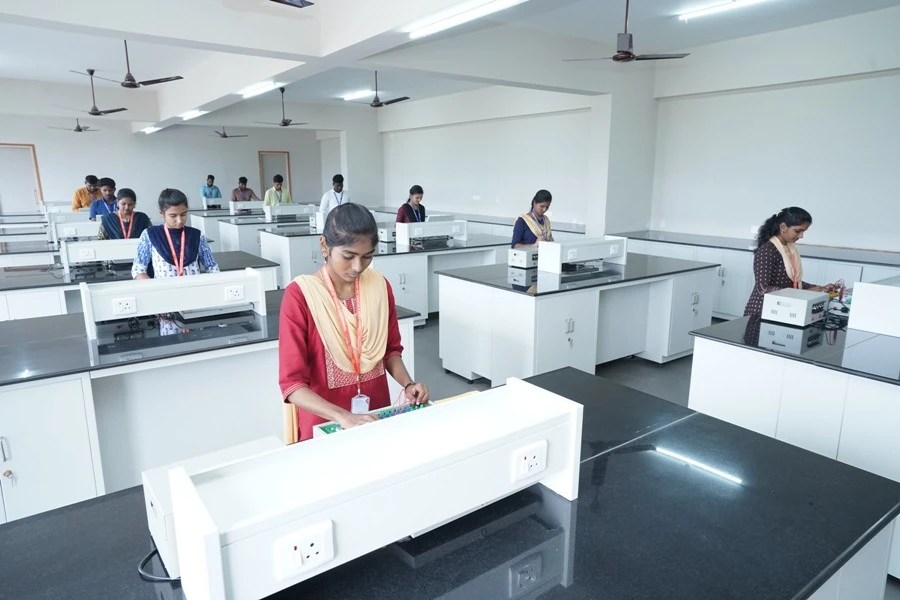
Engage in practical sessions, workshops, and industry-linked projects, allowing you to apply theoretical knowledge in real-world scenarios.

Modern Campus Facilities
Experience state-of-the-art labs, research centres, and classrooms equipped with the latest technologies, all designed to enhance your hands-on learning experience.

Networking Opportunities
Connect with a diverse student body and industry professionals through guest lectures, industry events, and seminars. These interactions open doors to future collaborations and career prospects.

Active Student Life
Participate in clubs, hackathons, technical competitions, and industry events that encourage leadership, teamwork, and innovation, providing you with a well-rounded university experience.
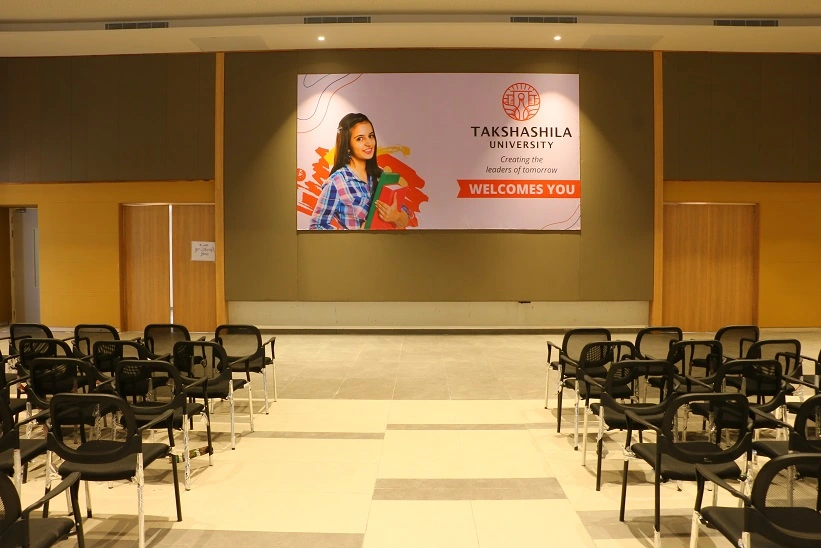
Spread over 150 acres
At Takshashila University, you will have ample opportunities to hone your skills in real-world healthcare settings, utilising state-of-the-art medical facilities and simulation labs on our 150-acre campus.







Advance Your Career with the Best M Tech in Computer Science in Tamil Nadu
Frequently Asked Questions (FAQs)
1. What are the M Tech CSE Admission in Tamil Nadu requirements?
The M Tech CSE Admission in Tamil Nadu process generally requires candidates to hold a bachelor’s degree in Computer Science, Information Technology, or a related engineering discipline from a recognised university. Students should also satisfy the university’s admission guidelines and submit the required academic documents within the specified admission schedule.
2. What is the M Tech CSE Eligibility Criteria Tamil Nadu?
The M Tech CSE Eligibility Criteria Tamil Nadu typically includes a relevant undergraduate engineering degree with the minimum qualifying marks prescribed by the university. Applicants should meet all academic requirements before applying to ensure they are eligible for admission into the postgraduate Computer Science and Engineering programme.
3. What are the M Tech CSE Fees in Tamil Nadu?
The M Tech CSE Fees in Tamil Nadu vary depending on the university, academic facilities, laboratory infrastructure, research opportunities, and campus resources. Students should review the complete fee details before admission to understand tuition fees, examination fees, laboratory charges, and other academic expenses.
4. What is the M Tech CSE Fee Structure Tamil Nadu?
The M Tech CSE Fee Structure Tamil Nadu generally includes tuition fees, laboratory fees, examination charges, research facilities, library fees, and other academic expenses. Understanding the complete fee structure helps students and parents plan their postgraduate education with greater financial clarity.
5. Are M Tech CSE Scholarships in Tamil Nadu available?
Yes. Many universities offer M Tech CSE Scholarships in Tamil Nadu based on academic merit, government scholarship schemes, research achievements, and other eligibility criteria. Scholarships help deserving students reduce educational expenses while encouraging academic excellence and innovation throughout their postgraduate studies.
6. Which are the Top M Tech CSE Colleges with Placement in Tamil Nadu?
The Top M Tech CSE Colleges with Placement in Tamil Nadu focus on advanced technical education, research, industry collaborations, internships, and placement training. Students benefit from career guidance, technical workshops, and recruitment opportunities with leading technology companies and research organisations.
7. Why should I pursue M Tech CSE in Tamil Nadu?
Pursuing M Tech CSE in Tamil Nadu allows students to develop advanced technical knowledge, strengthen research capabilities, and gain expertise in emerging technologies. The programme prepares graduates for leadership roles in software development, Artificial Intelligence, cybersecurity, cloud computing, and advanced engineering domains.
8. What subjects are covered in the M.Tech Computer Science and Engineering programme?
The programme covers advanced topics such as algorithms, software engineering, distributed systems, cloud computing, Artificial Intelligence, machine learning, cybersecurity, database management, big data analytics, and research methodologies. Students also participate in practical projects and research activities to strengthen their technical expertise.
9. Is M.Tech Computer Science and Engineering a good career choice?
Yes. An M.Tech in Computer Science and Engineering enhances technical expertise, research skills, and leadership abilities. Graduates are well-prepared for senior engineering roles, research positions, product development, technical consulting, and specialised careers in rapidly evolving technology industries.
10. What career opportunities are available after M.Tech CSE?
Graduates can pursue careers as Software Architects, Senior Software Engineers, Artificial Intelligence Engineers, Machine Learning Engineers, Data Scientists, Cybersecurity Specialists, Cloud Architects, DevOps Engineers, Research Engineers, Technical Consultants, and Product Development Engineers across leading technology organisations.
11. Which programming languages are commonly used in M.Tech CSE?
Students work with programming languages such as Python, Java, C++, SQL, JavaScript, and other modern development technologies. These languages support research, software development, Artificial Intelligence, cloud computing, and advanced computing applications across multiple technology domains.
12. Does M.Tech CSE include research and project work?
Yes. Research and project work are important components of the programme. Students participate in research activities, technical publications, innovation projects, and industry collaborations that improve analytical thinking, technical expertise, and problem-solving capabilities while addressing real-world engineering challenges.
13. Which industries recruit M.Tech CSE graduates?
Graduates are recruited by software companies, multinational corporations, banking, healthcare, manufacturing, telecommunications, fintech, cloud service providers, cybersecurity firms, research organisations, and government institutions seeking highly skilled technology professionals with advanced engineering expertise.
14. Are internships included in the M.Tech CSE programme?
Many universities encourage internships, industrial training, and collaborative research projects as part of the programme. These opportunities provide valuable industry exposure, practical experience, professional networking, and hands-on learning that complement classroom knowledge and enhance employability.
15. What is the duration of the M.Tech Computer Science and Engineering programme?
The M.Tech Computer Science and Engineering programme is generally a two-year postgraduate degree divided into four semesters. Students complete advanced coursework, laboratory sessions, research projects, technical seminars, internships, and a dissertation during the programme.
16. What higher career opportunities are available after M.Tech CSE?
Graduates can pursue senior technical positions, research roles, doctoral studies, university teaching, technology consulting, product development, or entrepreneurship. The programme also provides a strong foundation for careers in Artificial Intelligence, cloud computing, cybersecurity, and advanced software engineering.
17. How important is research in M.Tech Computer Science and Engineering?
Research plays a significant role in postgraduate education by encouraging innovation, critical thinking, and technical problem-solving. Students work on emerging technologies, publish research papers, develop innovative solutions, and contribute to advancements in Computer Science and Engineering.
18. What facilities should students consider before choosing an M.Tech CSE college?
Students should evaluate research laboratories, advanced computer labs, experienced faculty, innovation centres, industry collaborations, technical workshops, internship opportunities, digital libraries, research support, and placement assistance before selecting a postgraduate engineering programme.
19. How do placements help M.Tech Computer Science and Engineering students?
Strong placement support helps students connect with leading employers through campus recruitment, technical assessments, mock interviews, resume-building sessions, and industry interactions. These initiatives improve employability and prepare graduates for leadership roles in the technology sector.
20. How do I choose the best M.Tech Computer Science and Engineering college in Tamil Nadu?
Students should compare faculty expertise, curriculum, research facilities, infrastructure, laboratory resources, industry collaborations, placement support, internship opportunities, alumni achievements, and academic reputation. Choosing a university that balances research, innovation, and practical learning helps build a successful career in technology.