
BACHELOR OF RESPIRATORY TECHNOLOGY
Best Colleges for Respiratory Technology in Tamil Nadu: Admission, Fees and Respiratory Care Careers
- Hands-on Training
- Faculty with International Experience
- Advanced Curriculum
- Upto 100% Scholarship based on merit

About the Course
Bachelor of Respiratory Technology in Tamil Nadu prepares students to assess, support, and treat patients with breathing and lung conditions under medical supervision. Students looking for the best Respiratory Technology colleges in tamilnadu will study respiratory anatomy, pulmonary function testing, oxygen therapy, mechanical ventilation, and airway management. Supervised practice in respiratory care units, intensive care wards, and pulmonary clinics prepares graduates for hospital respiratory services, diagnostic labs, and critical care teams with confidence.
Why Choose Best Colleges for Respiratory Technology
Choosing the Best Bachelor of Respiratory Technology College in Tamil Nadu gives students a clear route into one of healthcare’s most essential clinical fields. First, a structured curriculum combines respiratory physiology, pharmacology, equipment handling, and patient care, building technical and clinical competence. Second, supervised training in intensive care and respiratory units develops practical skill with ventilators and monitoring systems. Third, faculty with pulmonary and critical care experience guide students through protocols and safety standards. Fourth, demand for trained respiratory therapists grows with rising cases of asthma, COPD, and post-pandemic lung care across hospitals and clinics. Finally, the degree provides a strong base for advanced critical care roles, making it a sound choice among Bachelor of Respiratory Technology colleges in Tamil Nadu.
Industry Recognition
Top Respiratory Technology colleges in Tamil Nadu cover lung function testing, oxygen therapy, and ventilator care.
Career-Focused Learning
Supervised intensive care and respiratory unit training builds hands-on skill with ventilators and patient monitoring.
Excellent Placement Support
Strong focus on infection control, airway management and equipment safety for clinical confidence and accuracy.
Trusted University for IT Education
Growing demand across hospitals, pulmonary clinics and critical care services opens varied careers for graduates.
SCOPE OF THE PROGRAMME
The scope of Bachelor of Respiratory Technology in Tamil Nadu is wide, reflecting the growing burden of chronic lung disease and the central role of respiratory care in critical medicine. Hospitals are the largest employers, with intensive care units, emergency departments, and respiratory wards relying on trained therapists to set up ventilators, administer oxygen, and manage airways. Pulmonary function laboratories recruit graduates to perform spirometry, lung volume tests, and diffusion studies that support diagnosis and treatment. Sleep laboratories create scope for technologists who conduct polysomnography and assist in managing sleep-disordered breathing. Specialised areas such as neonatal and paediatric respiratory care, cardiopulmonary rehabilitation, and home oxygen services offer further pathways for those who build advanced skills. Transport units for critically ill patients require respiratory staff who can maintain ventilation during movement between facilities. Graduates of the Best Respiratory Technology Universities in Tamil Nadu also find openings with medical device companies, ventilator manufacturers, and home healthcare providers that seek professionals who understand both clinical use and equipment performance. Government hospitals and public health programmes recruit respiratory staff for district and medical college facilities. Teaching and training roles in nursing and paramedical colleges are open to experienced therapists. Quality assurance and infection control roles offer scope for graduates who specialise in equipment testing and compliance. Some graduates set up or join private respiratory clinics and home care services. Overall, the scope of this degree is strong for students who want a technical, patient-facing career with steady demand.
Career Scope
Graduates of Bachelor of Respiratory Technology from the best colleges in Tamil Nadu can build careers across hospitals, critical care units, pulmonary laboratories, home healthcare services, and government health departments. Placement results differ by institution, so compare Bachelor of Respiratory Technology Placement records and hospital partnerships before deciding. Entry-level roles usually involve performing lung function tests, setting up oxygen and ventilator support, assisting with airway care, and recording patient data. With experience, therapists move into intensive care, neonatal respiratory care, sleep diagnostics, and supervisory positions. Salaries vary by employer, city, and specialisation, and professionals who add critical care skills often find stronger prospects. Hospitals and critical care chains remain the largest employers, while government health departments recruit for district and medical college facilities. Maintaining certifications, practising infection control, and communicating clearly with patients strengthen applications. Over time, experienced therapists can lead respiratory departments, train new staff, or consult for healthcare organisations.
Respiratory Therapist
- Course Relation: Applies oxygen therapy, airway management, and ventilator care from the programme to support patients in hospital wards.
Pulmonary Function Technologist
- Course Relation: Uses spirometry and lung function testing skills from the curriculum to assist physicians in respiratory diagnosis.
Critical Care Respiratory Technician
- Course Relation: Applies ventilator management and patient monitoring learned in intensive care training to support critically ill patients.
Sleep Diagnostics Technologist
- Course Relation: Uses polysomnography knowledge and respiratory physiology from the course to assist in sleep disorder testing.
Neonatal Respiratory Care Technician
- Course Relation: Applies paediatric airway care and ventilation skills from the programme to support newborns in special care units.
Home Respiratory Care Coordinator
- Course Relation: Uses oxygen therapy and patient education skills from the course to support patients receiving home respiratory care.
Why TAKSHASHILA?

Expert Guidance — Learn from faculty with clinical and diagnostic lab experience.
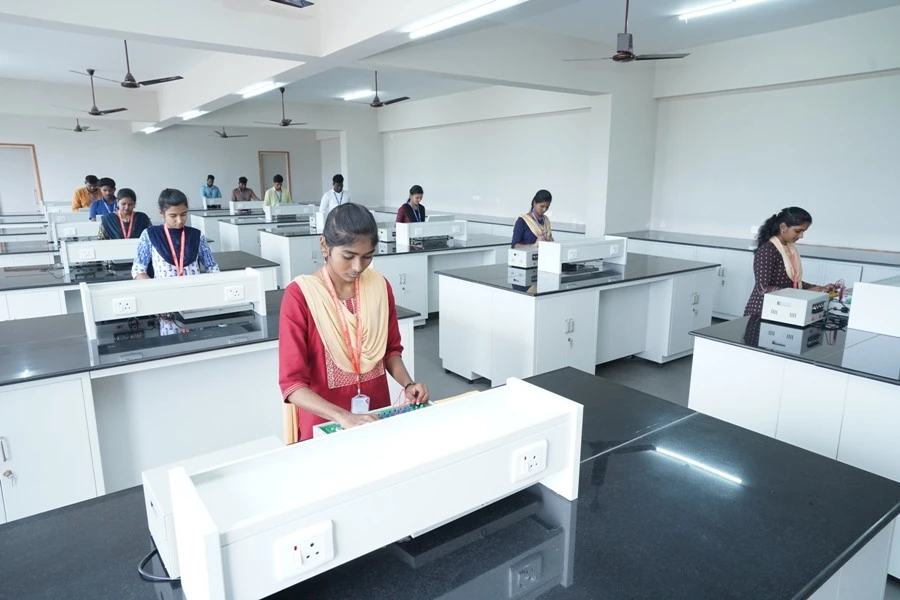
Hands-on Labs — Fully equipped laboratories for hematology, microbiology, and biochemistry.
Hospital Exposure — Internships and training at partner hospitals and diagnostic centers.
Industry Exposure — Guest lectures from pathologists and lab industry professionals.
Student Support — Dedicated mentors throughout the academic journey.

- Academic Qualification: 10+2 with Physics, Chemistry, and Biology
- Minimum Marks: 50% marks required in 12th grade
- Age: No strict age limit; most students join at 17–18 years

For All Programmes except MBA, MCA, M.Tech, and Integrated Programmes offered by Sunstone, FacePrep, Kalvium and NxtWave
S.No | % of Marks | Scholarship Amount in Tuition Fees per year |
1 | 60% – 75% | 10% |
2 | Above 75 % – 90 % | 25 % |
3 | Above 90 % | 50 % |
Calculation of percentage of Marks (+2 of HSC / 2nd Year of APBIM or +2 of CBSE or Equivalent)
- Engineering – Average marks in Mathematics, Physics, Chemistry/Computer Science
- Lateral Entry – Average marks in Diploma Programme.
- Agriculture – Average marks in Physics, Chemistry, Biology / Botany &Zoology
- AHS / BPT / Pharmacy – Average marks in Physics, Chemistry, Biology / Botany &Zoology/Bio Tech
- UG – Arts & Science / Hotel Management – Overall +2 marks – (+2 of HSC / 2nd Year of APBIM or +2 of CBSE or Equivalent)
- PG – Overall % in UG
- Diploma – Average mark in 10th /Equivalent
MBA, MCA, M. Tech, and Integrated Programmes offered by Sunstone, FacePrep, Kalvium and NxtWave – No Academic Scholarship applicable.
Experience Beyond the Classroom at Takshashila University
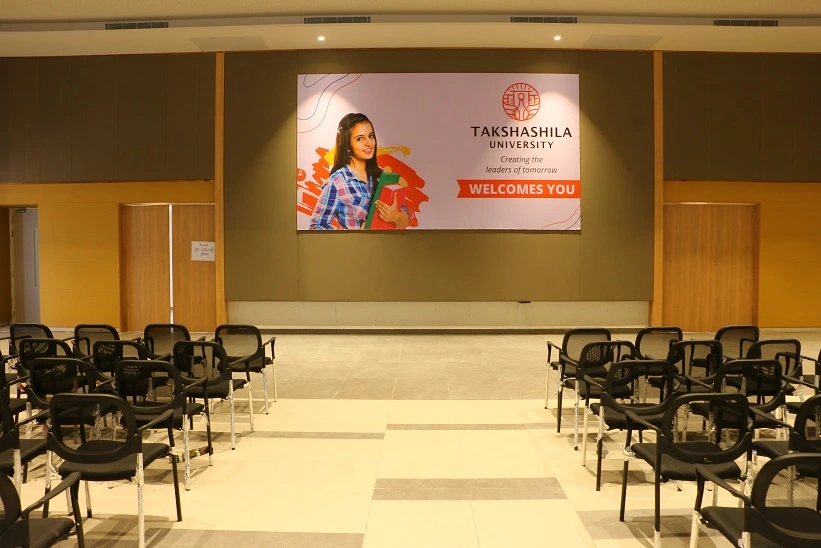
Takshashila University is more than just classrooms. You will experience a lively and supportive environment where you can grow personally and professionally:
What You Can Look Forward To

Interactive Learning
Get involved in projects, research, and practical sessions that let you apply what you learn.
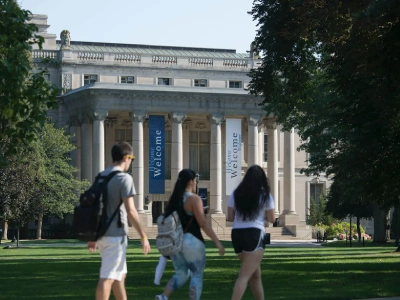
Modern Facilities
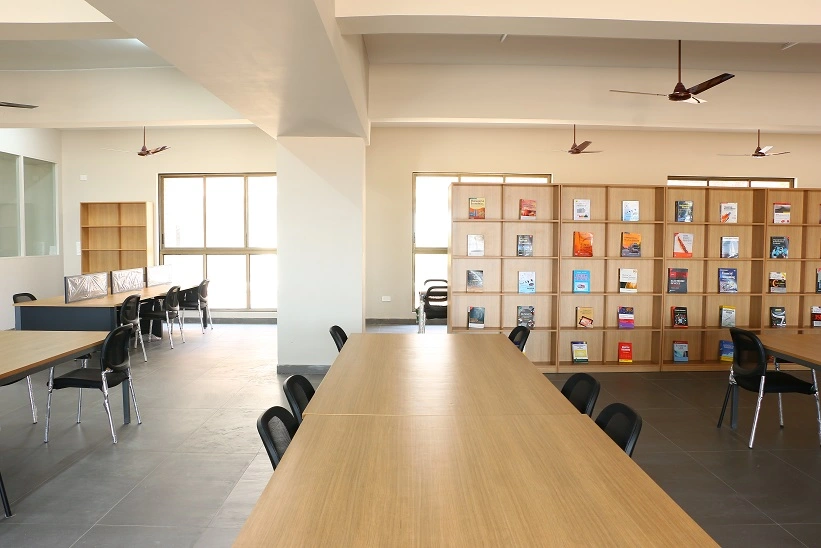
You will have access to state-of-the-art labs and classrooms to enhance your learning.

Active Campus Life
Join clubs, events, and activities that will help you develop leadership and networking skills.
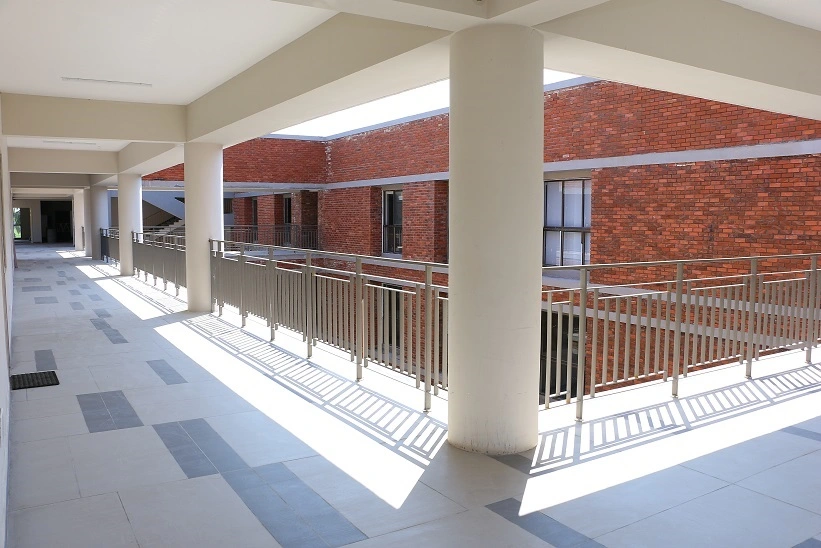
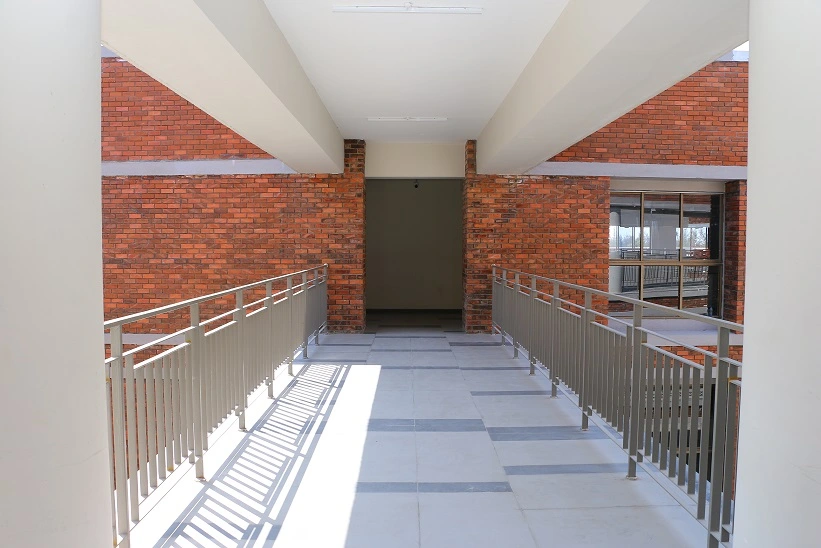
Spread over 150 acres
At Takshashila University, you will have ample opportunities to hone your skills in real-world healthcare settings, utilising state-of-the-art medical facilities and simulation labs on our 150-acre campus.




Become a Respiratory Therapist, Pulmonary Function Technologist, or Critical Care Respiratory Specialist Join the Best Colleges for Respiratory Technology in Tamil Nadu Today
Frequently Asked Questions (FAQs)
What is M.Sc. Entomology?
M.Sc. Entomology is a postgraduate program that focuses on the study of insects, pest management, biological control, insect ecology, and their role in agriculture and the environment.
What are the eligibility criteria for M.Sc. Entomology?
Candidates must have completed a B.Sc. degree in Agriculture, Horticulture, Forestry, or a related life science discipline from a recognized university.
What subjects are covered in this program?
The program includes subjects such as Insect Morphology, Insect Ecology, Biological Control, Toxicology of Insecticides, Integrated Pest Management, Apiculture, Sericulture, and Medical Entomology.
Is research included in the course?
Yes, students are required to complete a Master’s Seminar and Master’s Research project as part of the curriculum.
FAQs
- What is the Bachelor of Respiratory Technology Admission in Tamil Nadu process?
Bachelor of Respiratory Technology Admission in Tamil Nadu is based on eligibility and merit, and some institutions may hold entrance tests or interviews. Check the official Takshashila University prospectus for the current schedule. - What are the Bachelor of Respiratory Technology Fees in Tamil Nadu?
Bachelor of Respiratory Technology Fees in Tamil Nadu vary by programme year and institution, so the official university fee schedule holds the most accurate figures. Contact the admissions office to confirm current amounts before applying. - What is the Bachelor of Respiratory Technology Eligibility Criteria Tamil Nadu requires?
Bachelor of Respiratory Technology Eligibility Criteria Tamil Nadu generally call for a qualifying academic background with relevant science subjects and a minimum mark requirement. Confirm the details in the official prospectus, as they can vary by intake. - Are Bachelor of Respiratory Technology Scholarships in Tamil Nadu available?
Yes, students may be eligible for government scholarships for merit, community categories, and first-generation learners. Bachelor of Respiratory Technology Scholarships in Tamil Nadu are also sometimes offered by institutions, so check current schemes with the university. - What is the Bachelor of Respiratory Technology Fee Structure Tamil Nadu offers?
The Bachelor of Respiratory Technology Fee Structure Tamil Nadu typically covers tuition, laboratory, clinical training, and examination charges, payable annually or per semester. Request a written breakdown from the university before enrolling. - Which are the Top Bachelor of Respiratory Technology Colleges with Placement in Tamil Nadu?
Top Bachelor of Respiratory Technology Colleges with Placement in Tamil Nadu differ in their records, so compare placement data, hospital partnerships, and alumni outcomes. Ask each college for verified figures before shortlisting. - What roles can I pursue after Bachelor of Respiratory Technology?
Graduates can work as respiratory therapists, pulmonary function technologists, critical care respiratory technicians, sleep diagnostics technologists, and neonatal respiratory care technicians. Roles in hospital respiratory units and intensive care wards are common starting points. - What salary can I expect after Bachelor of Respiratory Technology?
Starting salaries are generally moderate and rise with experience, specialisation in critical care, and location. Senior and supervisory roles pay considerably more over time. - Are internships part of the Bachelor of Respiratory Technology programme?
Yes, supervised clinical training in respiratory care units, intensive care wards, and pulmonary labs is a core part of the programme. Internship details are set out in the curriculum. - Can I pursue higher studies after Bachelor of Respiratory Technology?
Graduates can pursue postgraduate study in critical care, cardiopulmonary sciences, or healthcare management. Further specialisation can open teaching, supervision, and leadership roles. - Is an entrance exam needed for Bachelor of Respiratory Technology Admission?
Requirements differ by institution, so some programmes use entrance tests while others rely on academic merit. Confirm the exact process with the admissions office. - How does this programme prepare students for respiratory care careers?
The programme combines respiratory physiology and pharmacology with supervised practical training on ventilators and diagnostic equipment. This prepares students to provide respiratory care safely and accurately. - How long is the Bachelor of Respiratory Technology programme?
The duration and semester structure are defined in the official prospectus. Confirm the current duration with the university before applying. - Can I work abroad after Bachelor of Respiratory Technology?
Some graduates pursue international opportunities, but registration and licensing rules differ by country. Research the requirements of your target country early. - What skills are developed in Bachelor of Respiratory Technology?
Students develop oxygen therapy, ventilator operation, lung function testing, airway management, and clinical communication skills. Accuracy and professional ethics are also central to the training. - Are government respiratory care jobs available after Bachelor of Respiratory Technology?
Yes, government hospitals and medical colleges recruit respiratory therapists and technicians. Eligibility for specific posts depends on the notification, so check each recruitment advertisement. - What is the future scope of Respiratory Technology in Tamil Nadu?
Demand is growing as chronic lung disease, sleep disorders, and critical care needs expand. Home respiratory care and pulmonary rehabilitation programmes add further need for trained staff. - How do I choose the best Bachelor of Respiratory Technology college in Tamil Nadu?
Compare the curriculum, intensive care training partnerships, equipment access, faculty experience, placement records, and fee transparency. Visiting the campus and speaking with current students also helps. - What industry trends affect Respiratory Technology?
Trends include home ventilation, non-invasive respiratory support, digital spirometry, and growth in sleep diagnostics. These changes are shaping the skills employers look for. - Why choose Bachelor of Respiratory Technology over other paramedical degrees?
This programme offers technical, equipment-based training with direct patient contact in critical care settings. It suits students who want a structured healthcare career with clear clinical pathways.