Short Summary
Takshashila University teaches how to build a resume in college years. It is a crucial step for students who are looking to secure promising career opportunities in the future.
Doing internships and participating in real projects and hackathons promotes skill-based learning.
By building a strong resume, students can create a professional portfolio, tailor it to their specific job openings, and showcase genuine achievements, which can enhance their employability. let see How to Build a Resume During College also check out Top 9 Things To Research About A University For Your Higher Education
Introduction
The job market is competitive, and it demands more than academic qualifications to ensure that one has promising career prospects. Organisations are always looking for individuals who possess experience, flexibility, and problem-solving abilities.
For college students, it has become necessary to learn how to build a resume in college to ensure career success.
A well-structured resume is a reflection of your experience outside of academics.
Your resume highlights your internships, projects, hackathon experience, leadership positions, and personal endeavours.
This blog will tell you the process of how internships, projects, and hackathons can help you create a strong resume in college and how you can leverage these experiences to impress recruiters.
Building Your Resume in College Matters
Your college years are the best opportunity to set the foundation for your career. A strong resume built during this phase can open opportunities for internships, placements, and higher education opportunities.
If you learn to build your resume during your college years, then it allows you to:
- Demonstrate industry readiness
- Highlight practical skills
- Prove your ability to work in teams
- Showcase leadership and initiative
- Stand out among thousands of applicants
According to the report, more than 60% of employers prefer candidates with internship experience. This reinforces the importance of gaining early exposure and documenting it effectively.
Internships Help in Building Professional Experience.
Internships give exposure to the real-world environment of the workplace, work ethics, and work expectations. Internships help students make a smooth transition from college life to the workplace.
Internships are the backbone of professional experience for students learning how to build a resume in college.
Advantages of Internships
Internships can help you in the following ways:
- You can apply what you have learnt in class to real-life situations.
- You can develop communication skills in the workplace.
- You can learn time management and discipline.
- You can learn about organisational structures.
- You can build professional networks.
Organisations also provide pre-placement offers (PPOs) to the best interns, which means internships are a direct route to a job.
How to Secure Quality Internships
- Utilise college career cells
Most colleges have internship assistance services in placement and training departments.
- Utilise digital platforms
Students can add their LinkedIn profile link to their resume. Having a good LinkedIn profile and portfolio increases your chances of being noticed by recruiters.
- Customise applications
Customise your resume and cover letter for each internship application to show your interest.
- Network at industry events
Industry events, seminars, and networking sessions increase internship opportunities.
Presenting Internships on Your CV
When listing internships on your resume, focus on achievements rather than responsibilities.
- Use strong action verbs
- Use measurable outcomes wherever possible
- List hardware and technology
- Focus on learning outcomes
This will demonstrate your expertise in how to build a resume in college.
Projects: Showing Problem-Solving Skills
Projects showcase your skills in problem-solving, individually or in a team. Projects showcase your creativity, technical skills, and analytical skills.
For employers, projects are evidence of your practical learning, which is a key part of resume building in college.
Kinds of projects to include
- Academic projects
Final year projects, lab work, and research projects.
- Personal projects
Web development projects, mobile app projects, blogging sites, online campaigns, or business ideas.
- Collaborative projects
Group projects, interdisciplinary projects, and social innovation projects.
Selecting Projects for Your Resume
While choosing projects for your resume, you must keep in mind the following:
- Relevance to your career goals
- Practical applications
- Innovation and complexity
- Learning opportunities
It is better to have quality projects in your resume than to have a lot of small projects.
How to mention projects on a resume
When you are entering the details of your projects into the resume, you must include these details:
- The title of the project along with the duration
- What was the objective
- What are all the technologies that you worked on
- What was your role and contribution toward the success of the project?
- And lastly, what are the final results of that project?
You can add some links to your GitHub projects or portfolio, which will enhance your resume, and this way, you can easily get to know how to build a resume in college.
Hackathons Proving Innovation and Adaptability
Hackathons are competitive events where you build solutions within a certain time limit. They are a test of your creativity, collaboration, and coding skills.
Taking part in hackathons shows that you are able to work under pressure, which is a great skill when learning how to build a resume in college.
Main Benefits of Hackathons
Hackathons allow you to:
- Boost your problem-solving skills
- Improve your presentation skills
- Rapidly learn new technologies
- Network with industry experts
- Get recognition and prizes
Many firms hold hackathons to scout for talent.
How to Prepare for Hackathons
To succeed, you should:
- Prepare for themes in advance
- Assemble a diverse team
- Practice presenting ideas
- Have the necessary tools ready
- Emphasise usability
Adding Hackathons to Your Resume
Include:
- Name of the event
- Problem statement
- Role in the team
- Technology used
- Awards won (if any)
This will prove that you actively participate in learning how to build a resume in college by competing.
Building a Strong Portfolio Alongside Your CV
A CV is most effective when accompanied by a digital portfolio. Portfolios enable the recruiter to see your actual work.
A student portfolio can contain:
- Project demonstrations
- Code repositories
- Design samples
- Research papers
- Blogs and articles
Tools such as GitHub, Medium, and personal websites enable you to showcase your work professionally. This has a huge impact on how to build a resume in college for today’s recruitment techniques.
Customising Your CV for Different Opportunities
One of the common failures that students face is reusing the same CV for all jobs. Instead of doing this, if you customise your resume according to the JD, it will be more helpful to you.
How to Customise Your CV
- Mention the relevant experiences that match the JD.
- Rewrite the skills according to their requirement.
- Change the professional summary; it must suit the job role.
- Mention the keywords from job descriptions
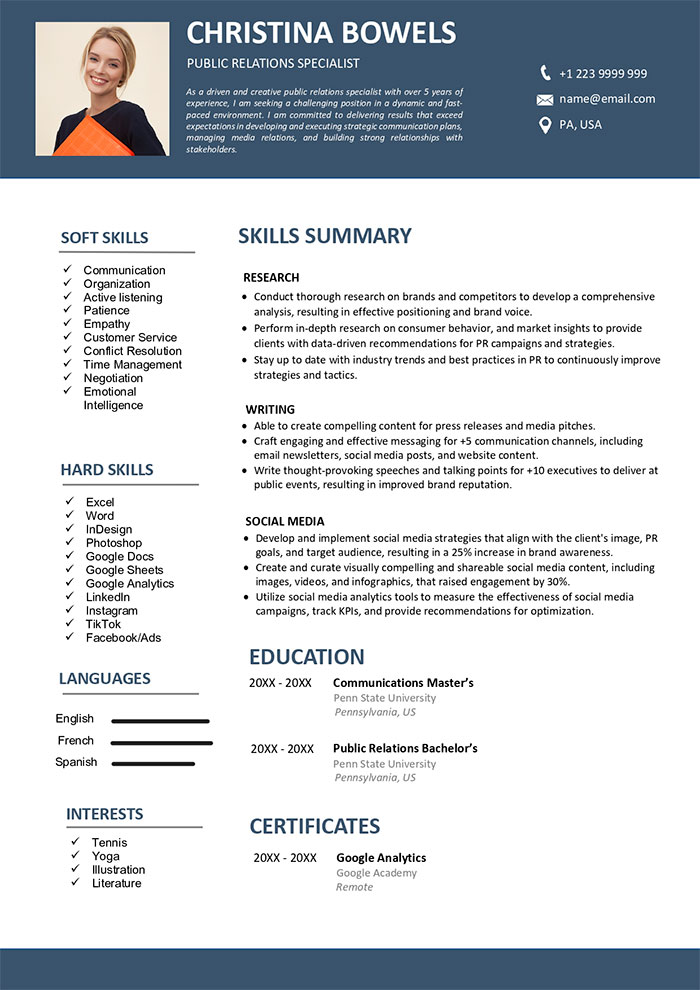
Structuring Your CV for Maximum Effect
Clearly organising your CV increases readability and professionalism.
Recommended CV Structure
- Personal Details
- Professional Summary
- Education
- Internships and Experience
- Projects and Hackathons
- Skills
- Certifications
- Portfolio Links
Organise your CV in a clean, consistent, and scannable manner.
Common Pitfalls That Weaken Student CVs
When learning how to build a resume in college, avoid the following pitfalls:
- Using generic templates
- Writing lengthy paragraphs
- Inflating skills
- Overlooking formatting
- Including unnecessary details
- Making spelling errors
Takshashila University: Where Careers Take Shape
At Takshashila University, we ensure that our students receive complete assistance for how to build resume in college during their learning years.
We focus on:
- Providing an industry internship that can be added to CVs
- Accessing the project-based syllabus
- Organising hackathons: new challenges
- Offering career counseling and mentoring throughout the course
- Workshops for resume writing and interview preparation
We are of the opinion that by covering both academic and professional areas, we can help our students achieve international industry standards with ease. Your resume starts building before graduation Learn how with @TakshashilaCollege.
To wrap up
Building a strong and appealing resume during college years is an ongoing process that involves strategy and clarity. Internships, project works, and other experiences can be added in resume to build a strong CVs.
Technical skills and hackathons help you improve innovation and collaboration skills. By understanding how to build a resume in college, you can give yourself a competitive edge in the job market.
The only thing that you can do is to start early and be consistent; also, use every learning experience as a step to success.
FAQs About How to Build a Resume During College
- When should I start working on building my resume?
You should start working on it in the first year itself by attending workshops, volunteering, and doing small projects. This will help you learn how to build a resume in college effectively from the very start.
- Does online certification actually help in placements?
Yes. It does. Online certifications help in increasing technical skills and learning how to build a resume in college professionally.
- Are hackathons useful for non-technical students?
Yes. Hackathons are not only about coding. They include business strategy, social impact, and design, which is useful for all students.
- How many internships should a student do?
Two to three internships that actually contribute to something are more useful than doing multiple internships that are of little use.
- Can I put part-time jobs in my resume?
Yes. Part-time jobs help in learning time management, responsibility, and work ethics, which are useful in learning how to build a resume in college.
- Should I put extracurricular activities in my resume?
Yes. Extracurricular activities such as leadership, sports, and cultural events help in learning how to build a resume in college.