
Bachelor of Emergency Medical Technologist (B.EMT)
- Hands-on Training
- Faculty with International Experience
- Advanced Curriculum
- Upto 100% Scholarship based on merit

About the Course
Bachelor of Emergency Medical Technologist (B.EMT) prepares students to respond effectively to medical emergencies and provide critical pre-hospital care. The programme combines medical sciences, emergency response techniques, trauma care, and advanced healthcare technology to train professionals in life-saving interventions. Students gain hands-on experience in patient assessment, emergency procedures, and disaster response management.
Programme Duration
4 Years / 8 Semesters (Including 1 Year Internship)
Course Curriculum

Year 1
The first year builds a foundation in medical sciences and introduces students to emergency healthcare systems. Students learn basic anatomy, physiology, pathology, and ambulance operations.
Key Subjects:
- Anatomy
- Physiology
- Biochemistry
- Introduction to EMS and Ambulance Operation
- Communication Skills
- Basics of Computers
- Pharmacology
- Pathology
- Microbiology
- Community Medicine
Year 2
The second year focuses on patient care, trauma management, and handling medical emergencies. Students learn emergency assessment techniques and advanced instrumentation.
Key Subjects:
- Patient Care and Assessment
- Medical Emergencies
- Trauma Emergencies
- Hemorrhage and Shock Management
- Head and Facial Trauma
- Thoracic and Abdominal Trauma
- Instrumentation in Emergency Medicine
- Clinical Communication Skills
Year 3
The third year emphasizes specialized emergency care, disaster response, and critical care management. Students gain knowledge in pediatric emergencies, toxicology, telemedicine, and intensive care.
Key Subjects:
- Toxicology and Environmental Emergencies
- Gynecological and Obstetric Emergencies
- Neonatology and Pediatrics
- Emergency Medications
- Radiology & Imaging Interpretation
- Telemedicine
- Disaster Management
- Intensive Care Concepts
Year 4
The final year focuses on practical learning through internship and real-world emergency care exposure. Students work in hospitals, ambulances, and trauma care centers to strengthen their clinical skills.
Key Components:
- Internship Training
- Emergency Clinical Procedures
- Disaster Response Training
- Critical Care Practice
- Research Projects
Career Scope
Graduates can build careers in emergency healthcare, public health, academics, and research sectors.
- Emergency Medical Technician
- Paramedic
- Emergency Response Officer
- Disaster Management Specialist
- Hospital Emergency Staff
- Health and Safety Officer
- Tele-Emergency Specialist
- Clinical Research Associate
- Emergency Services Coordinator
- Academic Faculty
Why TAKSHASHILA?

At Takshashila University, we are committed to providing a high-quality education in economics that prepares you for a successful career in a dynamic and evolving global economy. Here’s what we offer:
Industry-Relevant Curriculum
Our curriculum is designed to align with current industry needs and equip you with the skills required to thrive in the modern world of economics.
Personalized Learning Experience
With small class sizes and individual attention from faculty, you will have the support you need to excel academically and professionally.
Global Perspective
We provide opportunities for students to gain international exposure and understand the nuances of global economic systems, preparing them for global careers.
Practical Learning Opportunities
Students will engage in live projects and internships, developing real-world problem-solving skills and gaining valuable industry experience.

To apply for the B.A. Economics Honors programme, candidates must meet the following criteria:
- Academic Qualification: Senior Secondary (10+2) or equivalent with Physics, Chemistry & Biology
- Minimum Marks: As per merit-based admission criteria Minimum 50% Marks

For All Programmes except MBA, MCA, M.Tech, and Integrated Programmes offered by Sunstone, FacePrep, Kalvium and NxtWave
|
S.No |
% of Marks |
Scholarship Amount in Tuition Fees per year |
|
1 |
60% – 75% |
10% |
|
2 |
Above 75 % – 90 % |
25 % |
|
3 |
Above 90 % |
50 % |
Calculation of percentage of Marks (+2 of HSC / 2nd Year of APBIM or +2 of CBSE or Equivalent)
- Engineering – Average marks in Mathematics, Physics, Chemistry/Computer Science
- Lateral Entry – Average marks in Diploma Programme.
- Agriculture – Average marks in Physics, Chemistry, Biology / Botany &Zoology
- AHS / BPT / Pharmacy – Average marks in Physics, Chemistry, Biology / Botany &Zoology/Bio Tech
- UG – Arts & Science / Hotel Management – Overall +2 marks – (+2 of HSC / 2nd Year of APBIM or +2 of CBSE or Equivalent)
- PG – Overall % in UG
- Diploma – Average mark in 10th /Equivalent
MBA, MCA, M. Tech, and Integrated Programmes offered by Sunstone, FacePrep, Kalvium and NxtWave – No Academic Scholarship applicable.
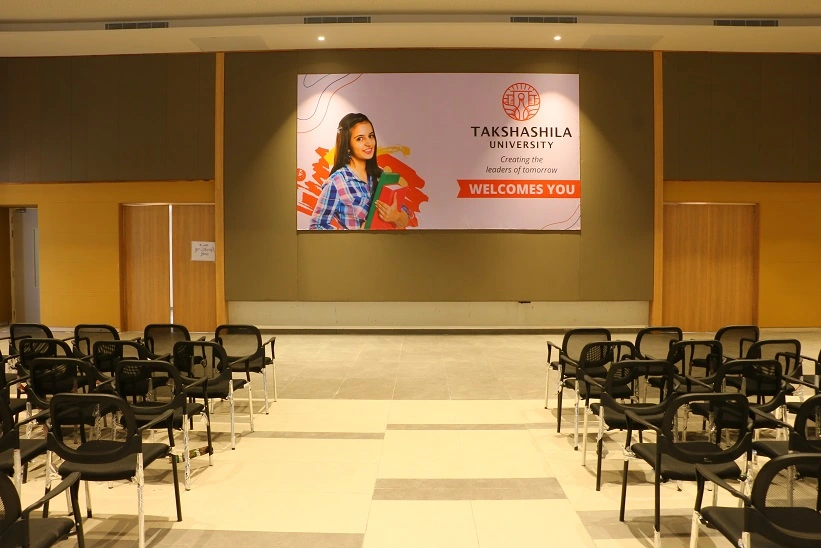
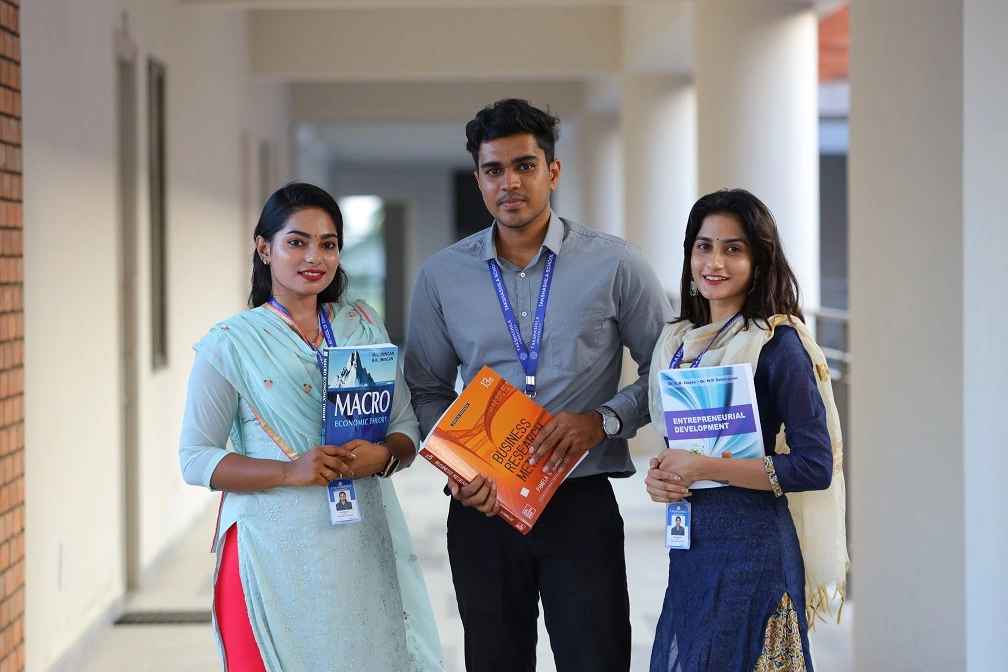
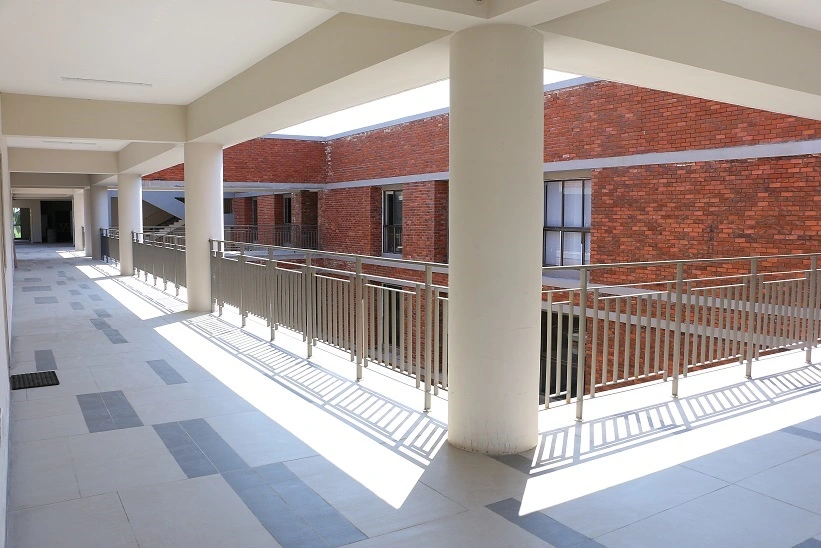
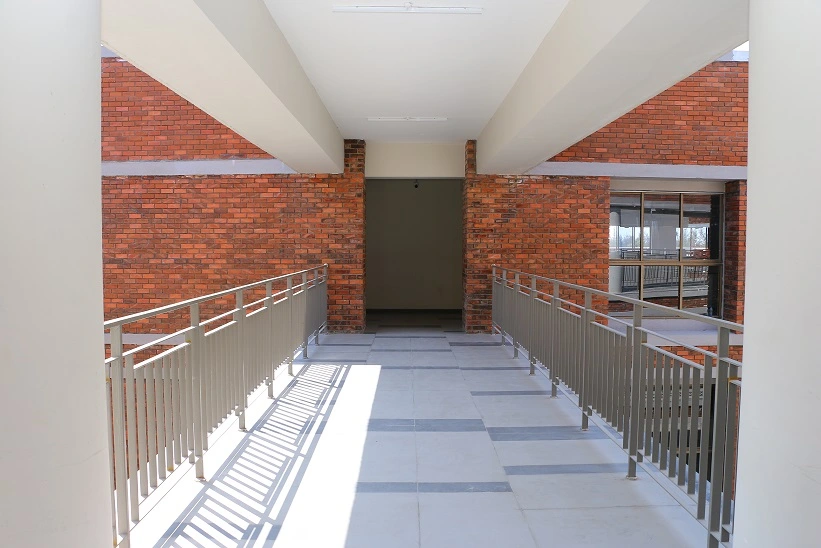
Spread over 150 acres
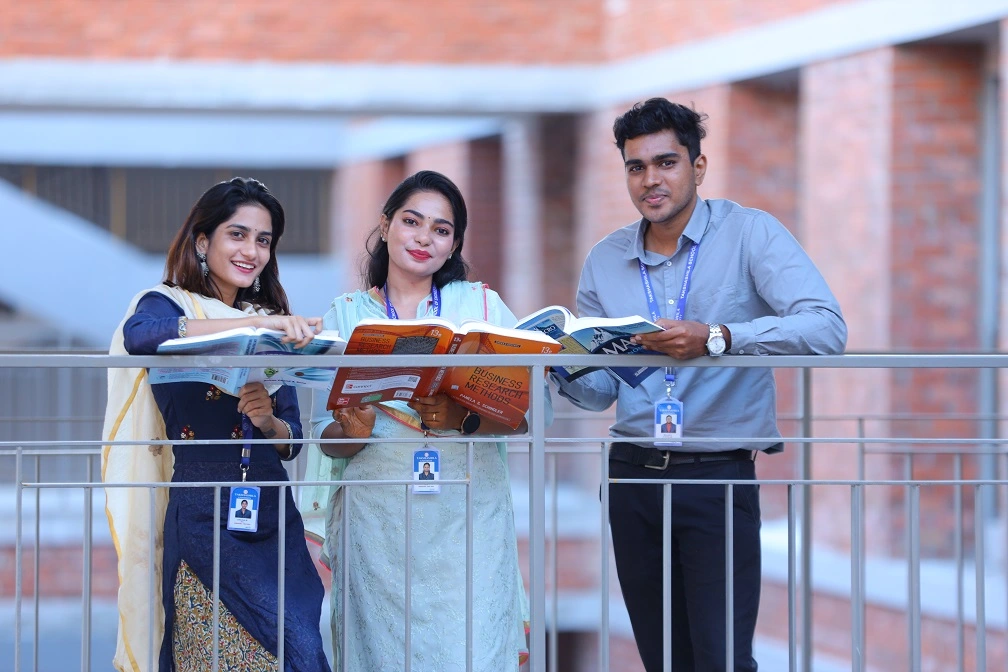
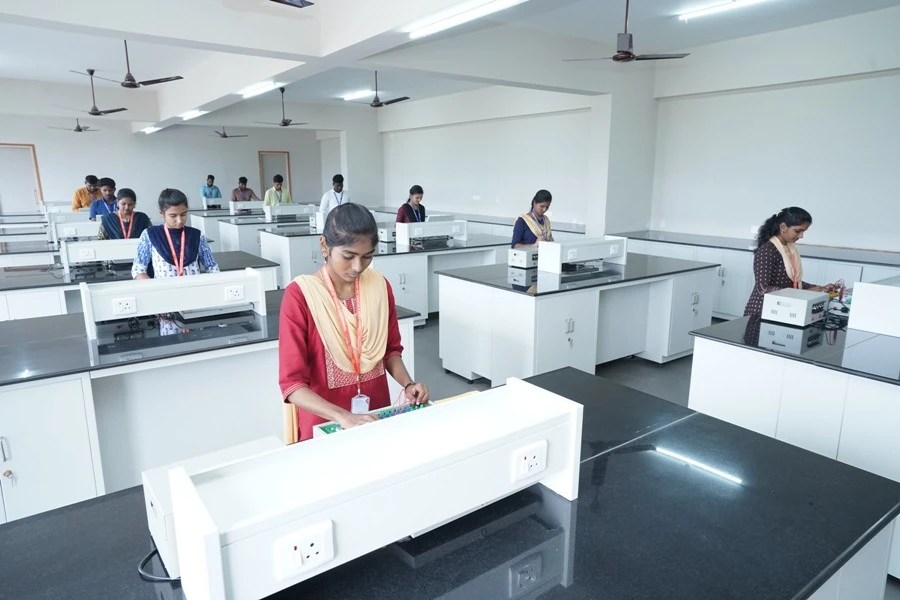
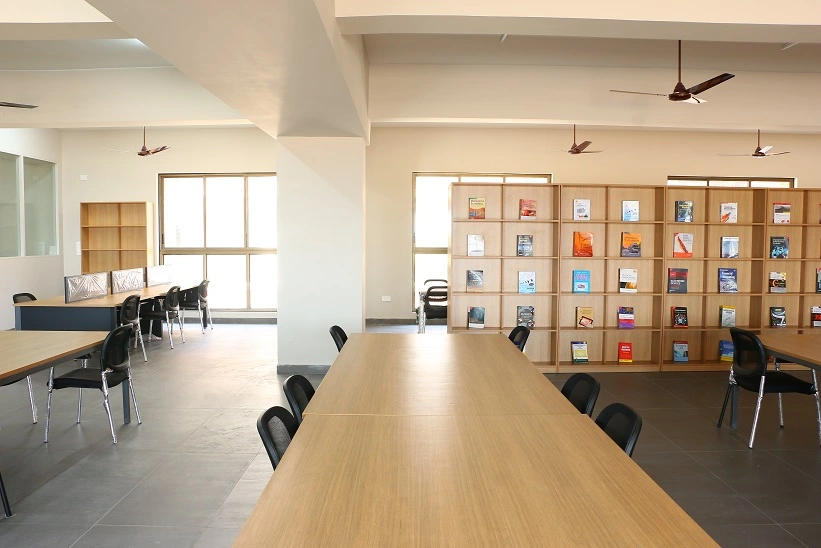
At Takshashila University, you will have ample opportunities to hone your skills in real-world healthcare settings, utilising state-of-the-art medical facilities and simulation labs on our 150-acre campus.


Ready to start your journey toward a successful career in economics?
Frequently Asked Questions (FAQs)
What is B.EMT?
It is a programme that trains students in emergency medical care, trauma management, and life-saving procedures.
What is the duration of the course?
The programme duration is 4 years, including 1 year internship.
Where can graduates work after completing B.EMT?
Graduates can work in hospitals, ambulance services, disaster response teams, and emergency departments.
Does the course include practical training?
Yes, students receive extensive clinical and internship training in emergency care settings.
Can graduates pursue higher studies?
Yes, they can pursue advanced studies in paramedicine, critical care, and disaster management.