B.Sc Medical Radiology and Imaging Technology
Launch Your Healthcare Career at a Leading Medical Radiology and Imaging Technology College in Tamil Nadu
- Hands-on Training
- Faculty with International Experience
- Advanced Curriculum
- Upto 100% Scholarship based on merit
About the Course
Bachelor of Medical Radiology and Imaging Technology in Tamil Nadu trains students to produce and interpret diagnostic images that help doctors detect and treat illness. Students looking for the best Medical Radiology and Imaging Technology colleges in tamilnadu will study X-ray, CT, MRI, and ultrasound techniques alongside radiation physics and radiation safety. Supervised practice in hospital imaging departments prepares graduates for clinical radiology, diagnostic centres, and healthcare services with confidence.
Bachelor of Medical Radiology and Imaging Technology in Tamil Nadu trains students to produce and interpret diagnostic images that help doctors detect and treat illness. Offered through the best colleges for Medical Radiology and Imaging Technology in Tamil Nadu, the programme covers radiographic techniques, X-ray, CT, MRI, and ultrasound, along with radiation physics and radiation safety. Students gain hands-on experience in hospital imaging departments under supervision, preparing them for roles in clinical radiology and diagnostic centres.
WHY CHOOSE THESE COLLEGES
Choosing the Best Bachelor of Medical Radiology and Imaging Technology College in Tamil Nadu gives students a clear route into one of healthcare’s most technical fields. First, a structured curriculum combines anatomy, radiation physics, imaging techniques, and patient care, building technical and clinical competence. Second, supervised training in hospital radiology departments develops practical skill with real equipment. Third, faculty with clinical imaging experience guide students through protocols and safety standards. Fourth, demand for trained radiographers grows across hospitals, diagnostic chains, and government health services. Finally, the degree provides a strong base for specialising in CT, MRI, or interventional imaging, making it a sound choice among Bachelor of Medical Radiology and Imaging Technology colleges in Tamil Nadu.
Career-Focused Learning
Curriculum covers X-ray, CT, MRI and ultrasound with anatomy and radiation physics for diagnostic accuracy.
Excellent Placement Support
Supervised hospital imaging department training builds hands-on skill with real diagnostic equipment.
Excellent Support
Strong focus on radiation safety, patient positioning and imaging protocols for clinical confidence.
scope
Growing demand across hospitals, diagnostic centres and government health services opens varied career paths.
Course Curriculum

Year 1
The first year covers the fundamental principles of human anatomy, physiology, and medical imaging. You will study the basics of radiography, including the techniques used in imaging and the importance of patient care. You will also learn about radiation safety and imaging equipment.
Key Subjects: Anatomy and Physiology, Introduction to Radiography, Radiation Physics, Imaging Equipment and Techniques, Radiation Safety, Medical Terminology.
Year 2
In the second year, you will delve deeper into various imaging modalities, including X-ray, ultrasound, and MRI. The focus will be on developing practical skills and understanding the technical aspects of different imaging systems. You will also study the legal and ethical aspects of radiographic practice.
Key Subjects: Radiographic Techniques, Ultrasound Imaging, MRI Principles and Techniques, X-ray Imaging, Ethical and Legal Issues in Radiography, Patient Care and Positioning.
Year 3
The final year focuses on advanced imaging techniques, including CT scans and fluoroscopy. You will also engage in hands-on training through clinical internships, gaining real-world experience in a diagnostic setting. The focus will also be on quality control and the management of imaging departments.
Key Subjects: Advanced Imaging Techniques (CT and Fluoroscopy), Imaging in Specialised Areas (Pediatrics, Orthopaedics), Image Interpretation, Radiographic Quality Control, Clinical Internship, Project Work.
Programme Outcomes (POEs)
Upon completing the B.Sc. in Radiography and Imaging Technology, you will have developed the following competencies:
Proficiency in Imaging Techniques
You will be able to perform a wide range of imaging procedures, including X-rays, MRIs, CT scans, and ultrasounds, ensuring high-quality diagnostic images.
Patient Positioning and Care
You will learn to position patients correctly for imaging procedures, ensuring comfort, safety, and effective imaging results.
Radiation Safety and Protection
You will acquire knowledge of radiation safety standards and protocols, ensuring both patient and staff safety during imaging procedures.
Image Interpretation and Quality Control
You will develop the ability to interpret diagnostic images and ensure the quality of images meets medical standards, contributing to accurate diagnoses.
Clinical Competence
You will gain hands-on experience through clinical placements, working in real-world healthcare settings and applying your learning under supervision.
Professionalism and Ethics
You will learn to adhere to ethical and professional standards in radiography, ensuring patient confidentiality and quality of care.
Programme Outcomes (POs)
The B.Sc. in Radiography and Imaging Technology will help you achieve the following broader learning outcomes:
PO1: Expertise in Imaging Procedures
You will gain expertise in performing various imaging techniques, including X-ray, MRI, ultrasound, and CT scans, contributing to accurate diagnosis and treatment planning.
PO2: Understanding of Radiologic Technology
You will gain a deep understanding of radiologic technology, including the principles behind various imaging systems and their application in diagnosing medical conditions.
PO3: Knowledge of Radiation Safety
You will become proficient in radiation safety, ensuring that patients and healthcare professionals are protected during diagnostic imaging procedures.
PO4: Effective Patient Communication
You will develop strong communication skills, ensuring that you can explain imaging procedures to patients clearly and help them feel comfortable and safe.
PO5: Quality Control in Imaging
You will be trained in performing quality control checks on imaging equipment, ensuring the accuracy and reliability of diagnostic images.
PO6: Professional Conduct and Ethical Practice
You will learn to practice ethically, adhering to legal requirements and maintaining patient privacy and confidentiality.
Programme Specific Outcomes (PSOs)
Through this programme, you will develop the following specific competencies:
PSO1: Specialisation in Advanced Imaging Techniques
You will gain expertise in advanced imaging techniques such as CT scans, MRIs, and fluoroscopy, preparing you for specialised roles in medical imaging.
PSO2: Radiographic Equipment Handling
You will develop proficiency in handling and operating modern radiographic equipment, ensuring efficient and effective imaging procedures.
PSO3: Image Interpretation
You will learn to analyse and interpret medical images, helping physicians make accurate diagnoses and treatment decisions.
PSO4: Patient Care in Imaging
You will acquire the skills to care for patients before, during, and after imaging procedures, ensuring their comfort and safety.
PSO5: Radiology Department Management
You will learn the basics of managing a radiology department, including equipment maintenance, team coordination, and patient workflow management.
PSO6: Research in Radiography and Imaging
You will gain the ability to participate in research to improve imaging techniques, equipment, and diagnostic processes in radiology.
SCOPE OF THE PROGRAMME
The scope of Bachelor of Medical Radiology and Imaging Technology in Tamil Nadu is wide, reflecting how central diagnostic imaging has become to modern healthcare. Hospitals are the largest employers, with radiology departments relying on trained technologists to operate X-ray, CT, MRI, and ultrasound equipment and to produce images that physicians depend on. Diagnostic imaging centres and private radiology chains recruit graduates for routine scans, outpatient imaging, and referral-based diagnostics. Specialised areas such as computed tomography, magnetic resonance imaging, and interventional radiology support offer further pathways for those who build advanced skills. Mammography and breast imaging programmes create demand for technologists working in screening and women’s health services. Cardiac catheterisation laboratories and vascular imaging units require skilled staff to assist with image-guided procedures. Oncology departments use imaging for treatment planning and follow-up, creating scope in radiation therapy support. Graduates of the Best Medical Radiology and Imaging Technology Universities in Tamil Nadu also find openings with research institutions, medical device companies, and imaging equipment suppliers that seek professionals who understand both clinical use and equipment performance. Government hospitals and public health programmes recruit imaging staff for district and primary health facilities. Teaching and training roles in nursing and paramedical colleges are open to experienced technologists. Quality assurance and radiation safety officer roles offer scope for graduates who specialise in compliance and equipment testing. Some graduates set up or join private diagnostic centres, with growing demand in smaller towns. Overall, the scope of this degree is strong for students who want a technical, patient-facing career with steady demand.
Career Scope
Graduates of Bachelor of Medical Radiology and Imaging Technology from the best colleges in Tamil Nadu can build careers across hospitals, diagnostic centres, research institutions, and government health services. Placement results differ by institution, so compare Bachelor of Medical Radiology and Imaging Technology Placement records and hospital partnerships before deciding. Entry-level roles usually involve performing X-ray and ultrasound examinations, positioning patients, and maintaining imaging records. With experience, technologists move into CT, MRI, or interventional imaging, supervisory positions, and quality assurance roles. Salaries vary by employer, city, and specialisation, and professionals who add advanced modality skills often find stronger prospects. Hospitals and diagnostic chains remain the largest employers, while government health departments recruit for district and primary care facilities. Maintaining certifications, practising radiation safety, and communicating clearly with patients strengthen applications. Over time, experienced technologists can lead imaging departments, train new staff, or consult for healthcare organisations.
Radiographer
- Role: Perform diagnostic imaging procedures, including X-rays, CT scans, MRIs, and ultrasounds, to assist in the diagnosis and treatment of medical conditions.
- Salary: ₹4,00,000 to ₹8,00,000 per annum.
Radiology Technician
- Role: Operate radiologic equipment, prepare patients for imaging procedures, and assist in the interpretation of diagnostic images.
- Salary: ₹3,50,000 to ₹7,00,000 per annum.
CT Scan Technician
- Role: Specialise in operating CT scanners to capture cross-sectional images of patients' internal structures.
- Salary: ₹4,50,000 to ₹8,00,000 per annum.
MRI Technologist
- Role: Perform MRI scans to capture high-resolution images of patients’ internal organs and tissues.
- Salary: ₹5,00,000 to ₹9,00,000 per annum.
Ultrasound Technician
- Role: Use ultrasound equipment to capture images of organs and tissues, assisting in the diagnosis of conditions such as pregnancy, heart disease, and abdominal disorders.
- Salary: ₹4,00,000 to ₹7,00,000 per annum.
Radiology Researcher
- Role: Conduct research in the field of radiology, exploring new imaging techniques, equipment, and technologies to improve patient diagnosis.
- Salary: ₹5,00,000 to ₹12,00,000 per annum.
Why TAKSHASHILA?

Comprehensive Curriculum
The B.Sc. in Radiography and Imaging Technology offers a well-rounded curriculum that includes both theory and practical training, ensuring you gain all the necessary skills for your career.
State-of-the-Art Facilities
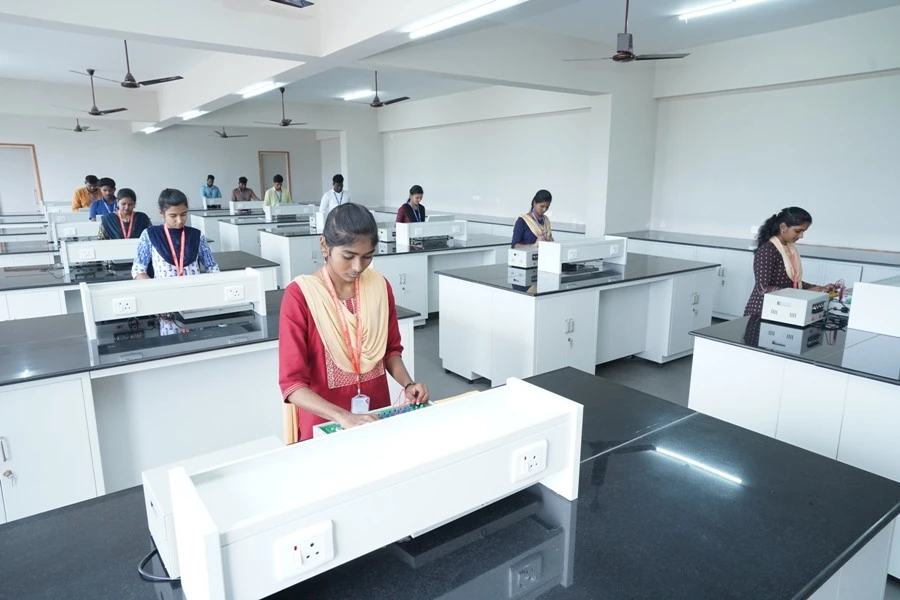
Access to modern imaging labs and equipment allows you to gain hands-on experience with the latest radiographic technology.
Industry Collaborations
Our partnerships with leading healthcare institutions provide you with opportunities for clinical exposure and internships in top diagnostic centres.
Experienced Faculty
Learn from industry experts who bring both theoretical knowledge and practical insights into the classroom.

- Applicants must have completed their 10+2 or equivalent with a minimum of 50% marks in Physics, Chemistry, and Biology.
- Entrance exams or personal interviews may be required as part of the selection process.

For All Programmes except MBA, MCA, M.Tech, and Integrated Programmes offered by Sunstone, FacePrep, Kalvium and NxtWave
|
S.No |
% of Marks |
Scholarship Amount in Tuition Fees per year |
|
1 |
60% – 75% |
10% |
|
2 |
Above 75 % – 90 % |
25 % |
|
3 |
Above 90 % |
50 % |
Calculation of percentage of Marks (+2 of HSC / 2nd Year of APBIM or +2 of CBSE or Equivalent)
- Engineering – Average marks in Mathematics, Physics, Chemistry/Computer Science
- Lateral Entry – Average marks in Diploma Programme.
- Agriculture – Average marks in Physics, Chemistry, Biology / Botany &Zoology
- AHS / BPT / Pharmacy – Average marks in Physics, Chemistry, Biology / Botany &Zoology/Bio Tech
- UG – Arts & Science / Hotel Management – Overall +2 marks – (+2 of HSC / 2nd Year of APBIM or +2 of CBSE or Equivalent)
- PG – Overall % in UG
- Diploma – Average mark in 10th /Equivalent
MBA, MCA, M. Tech, and Integrated Programmes offered by Sunstone, FacePrep, Kalvium and NxtWave – No Academic Scholarship applicable.
Student Experience at Takshashila University
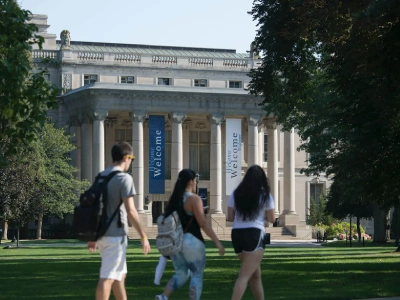
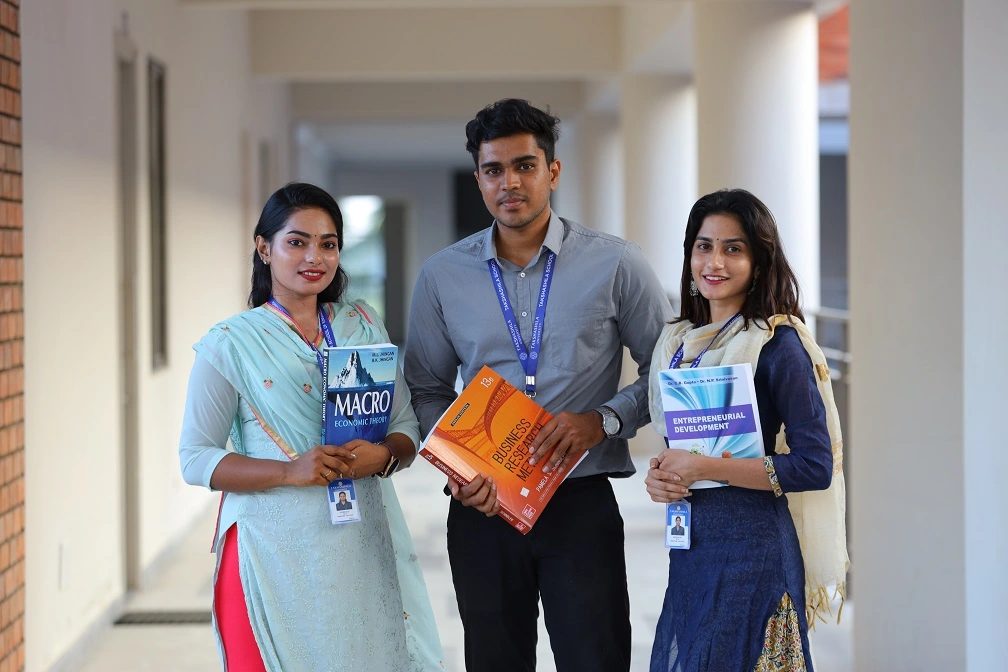
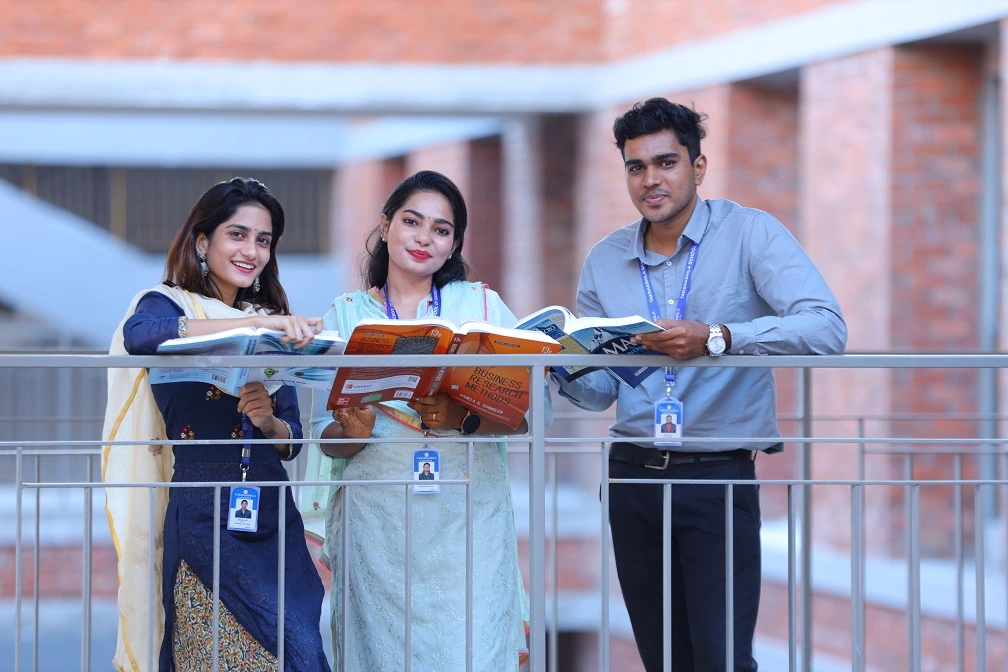
At Takshashila University, the B.Sc. in Radiography and Imaging Technology provides an engaging and hands-on learning experience. You will have access to advanced imaging labs, participate in clinical placements, and receive mentorship from experienced faculty.
What you can look forward to

Hands-On Learning
Work with state-of-the-art imaging equipment and gain practical experience in radiographic procedures.
Clinical Placements
Gain real-world experience through internships at leading hospitals and diagnostic centres, applying your knowledge to real-life patient care.

Collaborative Environment
Work with peers and healthcare professionals, learning valuable teamwork and communication skills.

Research Opportunities
Engage in research projects to improve imaging techniques, technologies, and patient care in the field of radiology.
Spread over 150 acres
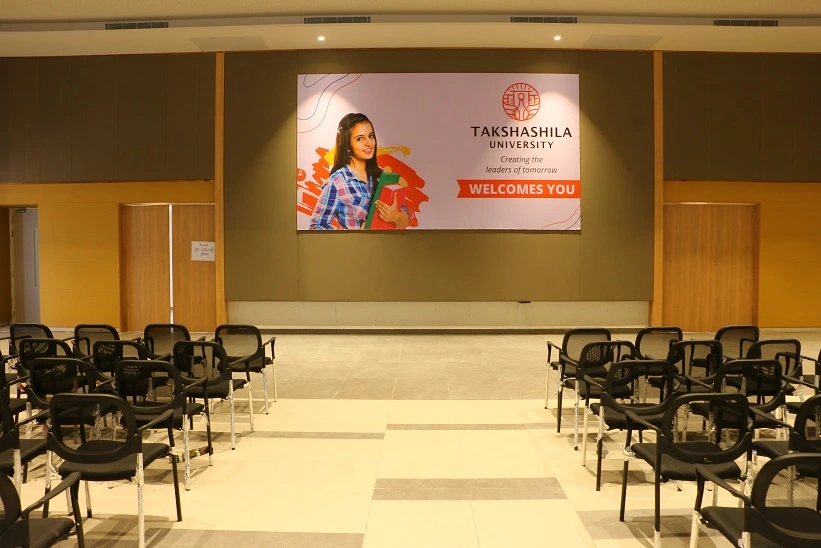
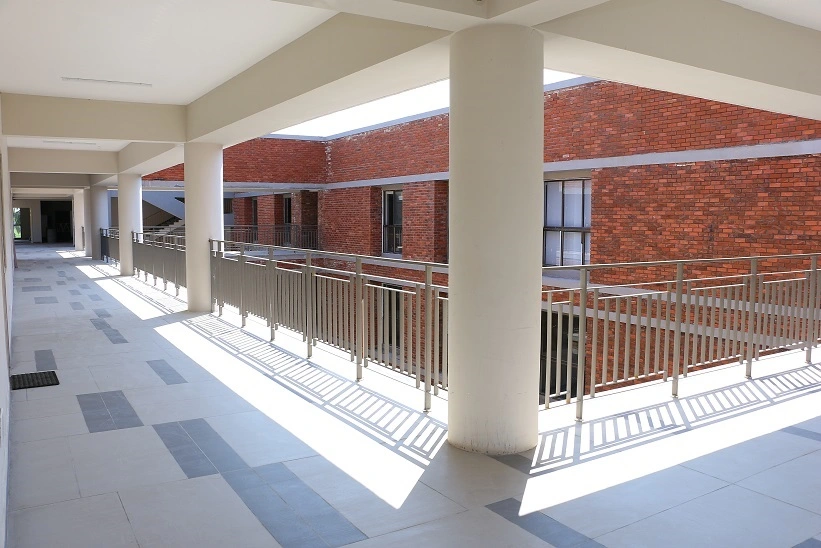
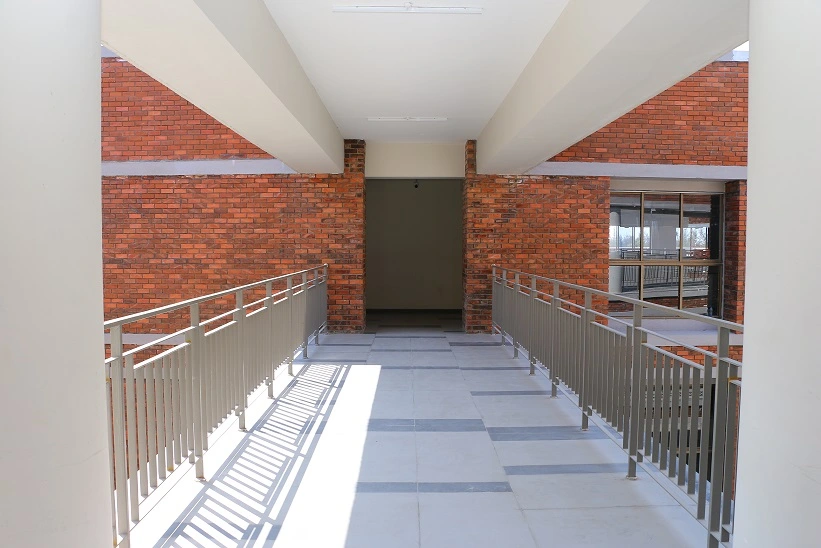
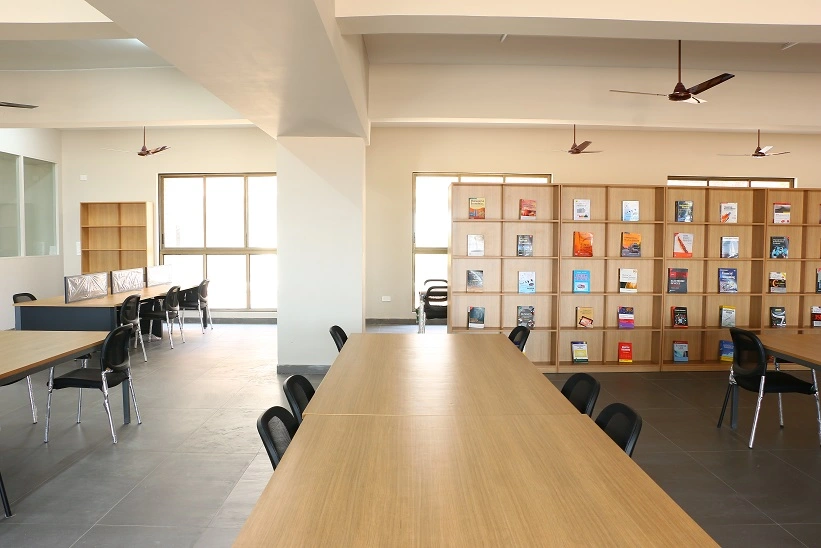
At Takshashila University, you will have ample opportunities to hone your skills in real-world healthcare settings, utilising state-of-the-art medical facilities and simulation labs on our 150-acre campus.


Become a Radiographer, Imaging Technologist, or Diagnostic Imaging Specialist Join the Best Colleges for Medical Radiology and Imaging Technology in Tamil Nadu Today
Frequently Asked Questions (FAQs)
- What is the Bachelor of Medical Radiology and Imaging Technology Admission in Tamil Nadu process?
Bachelor of Medical Radiology and Imaging Technology Admission in Tamil Nadu is based on eligibility, and some institutions may consider entrance tests or merit lists. Check the official Takshashila University prospectus for the current schedule. - What are the Bachelor of Medical Radiology and Imaging Technology Fees in Tamil Nadu?
Bachelor of Medical Radiology and Imaging Technology Fees in Tamil Nadu vary by programme year and institution, so the official university fee schedule holds the most accurate figures. Contact the admissions office to confirm current amounts before applying. - What is the Bachelor of Medical Radiology and Imaging Technology Eligibility Criteria Tamil Nadu requires?
Bachelor of Medical Radiology and Imaging Technology Eligibility Criteria Tamil Nadu generally call for a qualifying academic background with relevant science subjects and a minimum mark requirement. Confirm the details in the official prospectus, as they can vary by intake. - Are Bachelor of Medical Radiology and Imaging Technology Scholarships in Tamil Nadu available?
Students may be eligible for government scholarships for merit, community categories, and first-generation learners. Bachelor of Medical Radiology and Imaging Technology Scholarships in Tamil Nadu are also sometimes offered by institutions, so check current schemes with the university. - What is the Bachelor of Medical Radiology and Imaging Technology Fee Structure Tamil Nadu offers?
The Bachelor of Medical Radiology and Imaging Technology Fee Structure Tamil Nadu typically covers tuition, laboratory, examination, and programme charges, payable annually or per semester. Request a written breakdown from the university before enrolling. - Which are the Top Bachelor of Medical Radiology and Imaging Technology Colleges with Placement in Tamil Nadu?
Top Bachelor of Medical Radiology and Imaging Technology Colleges with Placement in Tamil Nadu differ in their records, so compare placement data, hospital partnerships, and alumni outcomes. Ask each college for verified figures before shortlisting. - What roles can I pursue after Bachelor of Medical Radiology and Imaging Technology?
Graduates can work as radiographers, CT and MRI technologists, sonography technicians, mammography technologists, and radiation safety officers. Roles in hospital imaging departments and diagnostic centres are common starting points. - What salary can I expect after Bachelor of Medical Radiology and Imaging Technology?
Starting salaries are generally moderate and rise with experience, specialisation in advanced modalities, and location. Senior imaging and supervisory roles pay considerably more over time. - Are internships part of the Bachelor of Medical Radiology and Imaging Technology programme?
Yes, supervised clinical training in hospital radiology and imaging departments is a core part of the programme. Internship details are set out in the curriculum. - Can I pursue higher studies after Bachelor of Medical Radiology and Imaging Technology?
Graduates can pursue postgraduate study in medical imaging, radiation physics, or healthcare management. Further specialisation can open teaching, supervision, and leadership roles. - Is an entrance exam needed for Bachelor of Medical Radiology and Imaging Technology Admission?
Requirements differ by institution, so some programmes use entrance tests while others rely on academic merit. Confirm the exact process with the admissions office. - How does this programme prepare students for imaging careers?
The programme combines theory in anatomy and radiation physics with supervised practical training on imaging equipment. This prepares students to perform examinations safely and accurately. - How long is the Bachelor of Medical Radiology and Imaging Technology programme?
The duration and semester structure are defined in the official prospectus. Confirm the current duration with the university before applying. - Can I work abroad after Bachelor of Medical Radiology and Imaging Technology?
Some graduates pursue international opportunities, but registration and licensing rules differ by country. Research the requirements of your target country early. - What skills are developed in Bachelor of Medical Radiology and Imaging Technology?
Students develop imaging technique, patient positioning, radiation safety, equipment operation, and clinical communication skills. Accuracy and professional ethics are also central to the training. - Are government imaging jobs available after Bachelor of Medical Radiology and Imaging Technology?
Yes, government hospitals and health departments recruit radiographers and imaging technicians. Eligibility for specific posts depends on the notification, so check each recruitment advertisement. - What is the future scope of Medical Radiology and Imaging Technology in Tamil Nadu?
Demand is growing as diagnostic imaging becomes more widely used in screening, emergency care, and chronic disease management. Expanding hospital networks and diagnostic centres add to the need for trained staff. - How do I choose the best Bachelor of Medical Radiology and Imaging Technology college in Tamil Nadu?
Compare the curriculum, hospital training partnerships, equipment access, faculty experience, placement records, and fee transparency. Visiting the campus and speaking with current students also helps. - What industry trends affect Medical Radiology and Imaging Technology?
Trends include wider use of MRI and CT, AI-assisted image analysis, low-dose radiation protocols, and growth in teleradiology. These changes are shaping the skills employers look for. - Why choose Bachelor of Medical Radiology and Imaging Technology over other paramedical degrees?
This programme offers technical, equipment-based training with direct patient contact and clear clinical pathways. It suits students who want a structured healthcare career with diverse specialisation options.