
B.Sc. Cardiology Technology
Choose a Leading Bachelor of Cardiovascular Technology College in Tamil Nadu
- Hands-on Training
- Faculty with International Experience
- Advanced Curriculum
- Upto 100% Scholarship based on merit

About the Course
The Bachelor of Cardiovascular Technology in Tamil Nadu at Takshashila University is a 3-year undergraduate programme that prepares students for rewarding careers in the rapidly advancing field of cardiovascular healthcare. As one of the leading Bachelor of Cardiovascular Technology colleges in Tamil Nadu, the University offers a curriculum that combines strong academic foundations with hands-on clinical training.
The programme equips students with the knowledge and technical skills required to operate advanced diagnostic equipment used in the diagnosis and treatment of heart diseases. The curriculum covers electrophysiology, ECG interpretation, stress testing, echocardiography, cardiac catheterization procedures, and patient monitoring. Through laboratory sessions, clinical postings, and practical training, students learn to work effectively with multidisciplinary healthcare teams while contributing to high-quality cardiac patient care.
Best Cardiovascular Technology Universities in Tamil Nadu
Cardiovascular technology plays a vital role in the early diagnosis, treatment, and monitoring of heart diseases. At Takshashila University, students benefit from an industry-focused curriculum, modern diagnostic laboratories, experienced faculty, and extensive clinical exposure that bridges classroom learning with real-world healthcare practice. Recognized among the Best Cardiovascular Technology Universities in Tamil Nadu, the University prepares students with the practical knowledge, technical expertise, and professional confidence required to succeed in today’s cardiac healthcare sector.
Industry Recognition
Develop practical skills in ECG, echocardiography, stress testing, cardiac monitoring, and cardiovascular diagnostic procedures.
Experienced Faculty
Learn from qualified healthcare professionals and experienced faculty who provide academic guidance and clinical expertise.
Hospital-Based Learning
Gain valuable experience through clinical postings, internships, simulation labs, and exposure to modern cardiac care environments.
Career-Focused Education
Build industry-ready skills through practical learning, workshops, seminars, and interactions with healthcare professionals.
Course Curriculum

Year 1
The first year provides an introduction to medical sciences and cardiology fundamentals. You will learn about human anatomy, physiology, and the basic concepts of heart function, alongside an introduction to cardiology technologies and their applications.
Key Subjects: Anatomy and Physiology, Basic Cardiology, Cardiovascular Anatomy, Clinical Chemistry, ECG Basics, Medical Terminology.
Year 2
In the second year, the focus shifts to advanced topics in cardiology and diagnostic techniques. You will study topics such as cardiac imaging, stress testing, echocardiography, and electrophysiology. The practical components will prepare you for hands-on experience in cardiology labs.
Key Subjects: Cardiovascular Pathology, Echocardiography, Electrocardiography (ECG), Cardiac Imaging Techniques, Stress Testing, Cardiac Rehabilitation.
Year 3
In the final year, you will specialise in advanced cardiology diagnostic technologies, including invasive cardiology procedures. You will also complete an internship, working in clinical settings to apply your skills in real-world scenarios and learn from experienced cardiology professionals.
Key Subjects: Invasive Cardiology, Cardiac Intensive Care, Advanced Electrocardiography, Patient Management in Cardiology, Internship/Project Work.
Programme Outcomes (POEs)
Upon completing the B.Sc. in Cardiology Technology, you will have developed the following competencies:
Advanced Diagnostic Skills
You will be proficient in performing and interpreting various diagnostic tests used in cardiology, including ECGs, echocardiograms, and stress tests.
Cardiovascular Imaging Techniques
You will be skilled in using advanced imaging equipment to assess and monitor heart function, ensuring accurate diagnosis and treatment.
Patient Care and Monitoring
You will learn to provide excellent patient care, especially in cardiology departments, where patient monitoring is crucial to treatment success.
Cardiac Rehabilitation
You will be trained in assisting with cardiac rehabilitation, helping patients recover and manage heart conditions effectively.
Research and Innovation in Cardiology
You will be equipped to contribute to cardiology research, using the latest technologies to improve diagnostic procedures and treatments.
Healthcare Collaboration and Communication
You will develop strong communication skills, ensuring effective collaboration with cardiologists, nurses, and other healthcare professionals.
Programme Outcomes (POs)
The B.Sc. in Cardiology Technology will help you achieve the following broader learning outcomes:
PO1: Proficiency in Cardiovascular Diagnostics
You will gain expertise in diagnosing and monitoring cardiovascular conditions using cutting-edge technologies and diagnostic equipment.
PO2: Clinical and Technical Expertise
You will acquire both clinical and technical skills necessary to assist in the diagnosis, treatment, and management of heart disease.
PO3: Ability to Work in Healthcare Teams
You will be able to work effectively as part of a cardiology team, assisting physicians and other healthcare professionals in delivering the best patient care.
PO4: Communication Skills
You will develop strong verbal and written communication skills to interact with patients and medical staff, ensuring clear and effective exchange of information.
PO5: Analytical and Critical Thinking
You will refine your ability to critically analyse test results and clinical data, enabling you to assist in decision-making processes for patient care.
PO6: Professionalism and Ethics
You will be trained to adhere to high standards of professionalism and ethical practices in the healthcare setting, ensuring patient confidentiality and integrity.
Programme Specific Outcomes (PSOs)
Through this programme, you will develop the following specific competencies:
PSO1: Specialisation in Cardiovascular Diagnostics
You will gain expertise in specialised diagnostic techniques, such as echocardiography, ECG, and stress testing, crucial for diagnosing heart diseases.
PSO2: Proficiency in Cardiac Imaging
You will develop skills in using imaging technologies like ultrasound and MRI to assess heart function, contributing to accurate diagnosis and treatment planning.
PSO3: Knowledge of Cardiac Interventions
You will acquire knowledge of invasive and non-invasive interventions in cardiology, including catheterisation and heart monitoring devices.
PSO4: Cardiac Rehabilitation and Patient Management
You will learn the principles of cardiac rehabilitation, assisting patients in their recovery after heart procedures and improving long-term health outcomes.
PSO5: Expertise in Heart Disease Management
You will understand the various types of heart diseases, their risk factors, and the most effective diagnostic and therapeutic approaches.
PSO6: Clinical Research and Innovations
You will gain the ability to contribute to clinical research in cardiology, improving diagnostic techniques and developing new therapies for heart conditions.
Career Scope
Graduates of the Bachelor of Cardiovascular Technology programme are well prepared for careers in hospitals, multispecialty healthcare centres, diagnostic laboratories, cardiac care units, and specialty heart hospitals. Career opportunities include Cardiovascular Technologist, Cardiac Catheterization Lab Technologist, ECG Technician, Echocardiography Technologist, Cardiac Care Assistant, Clinical Application Specialist, and Healthcare Consultant.
With growing demand for skilled cardiovascular professionals, Bachelor of Cardiovascular Technology Placement in Tamil Nadu offers excellent career prospects in both public and private healthcare organizations. Graduates can also pursue higher education, advanced certifications, or research opportunities in cardiovascular sciences.
Cardiology Technician
- Role: Perform diagnostic tests, including ECGs and stress tests, to assess heart function.
- Salary: ₹3,00,000 to ₹6,00,000 per annum.
Cardiac Sonographer
- Role: Conduct echocardiograms and other cardiac imaging tests to monitor heart health.
- Salary: ₹4,00,000 to ₹8,00,000 per annum.
Electrocardiogram (ECG) Technician
- Role: Specialise in performing and interpreting ECGs to diagnose heart conditions.
- Salary: ₹3,50,000 to ₹6,50,000 per annum.
Cardiac Technologist
- Role: Assist cardiologists in diagnosing and treating heart diseases using diagnostic equipment and techniques.
- Salary: ₹4,00,000 to ₹8,00,000 per annum.
Cardiac Rehabilitation Specialist
- Role: Work with patients recovering from heart surgery or treatment, helping them regain strength and improve cardiovascular health.
- Salary: ₹4,50,000 to ₹9,00,000 per annum.
Research Assistant in Cardiology
- Role: Assist in clinical research studies, contributing to the development of new diagnostic and treatment methods in cardiology.
- Salary: ₹5,00,000 to ₹10,00,000 per annum.
Why TAKSHASHILA?

Cutting-Edge Curriculum
The B.Sc. in Cardiology Technology is designed to provide both theoretical knowledge and hands-on experience with modern diagnostic equipment.
Industry Partnerships
Our collaborations with hospitals and diagnostic centres give you the opportunity to gain practical exposure and industry connections.
Experienced Faculty
Learn from faculty members who are experts in cardiology and medical technology, providing guidance throughout your studies.
Hands-On Learning
Gain practical experience in state-of-the-art labs and through clinical internships, ensuring you are well-prepared for a career in cardiology.

- Applicants must have completed their 10+2 or equivalent with a minimum of 50% marks in Physics, Chemistry, and Biology.
- Entrance exams or personal interviews may be required as part of the selection process.

For All Programmes except MBA, MCA, M.Tech, and Integrated Programmes offered by Sunstone, FacePrep, Kalvium and NxtWave
|
S.No |
% of Marks |
Scholarship Amount in Tuition Fees per year |
|
1 |
60% – 75% |
10% |
|
2 |
Above 75 % – 90 % |
25 % |
|
3 |
Above 90 % |
50 % |
Calculation of percentage of Marks (+2 of HSC / 2nd Year of APBIM or +2 of CBSE or Equivalent)
- Engineering – Average marks in Mathematics, Physics, Chemistry/Computer Science
- Lateral Entry – Average marks in Diploma Programme.
- Agriculture – Average marks in Physics, Chemistry, Biology / Botany &Zoology
- AHS / BPT / Pharmacy – Average marks in Physics, Chemistry, Biology / Botany &Zoology/Bio Tech
- UG – Arts & Science / Hotel Management – Overall +2 marks – (+2 of HSC / 2nd Year of APBIM or +2 of CBSE or Equivalent)
- PG – Overall % in UG
- Diploma – Average mark in 10th /Equivalent
MBA, MCA, M. Tech, and Integrated Programmes offered by Sunstone, FacePrep, Kalvium and NxtWave – No Academic Scholarship applicable.
Student Experience at Takshashila University
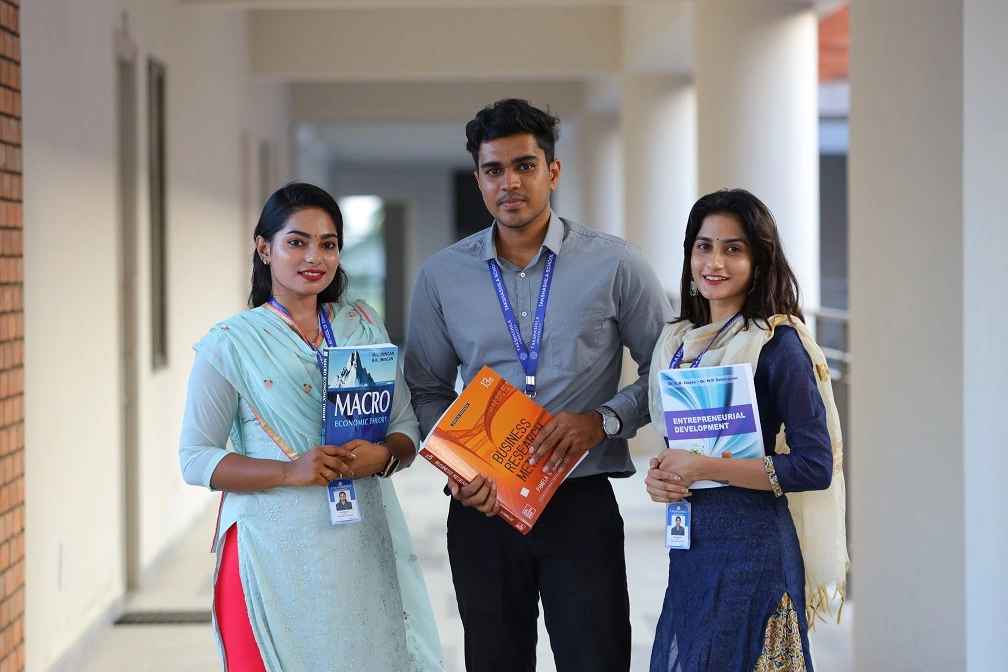
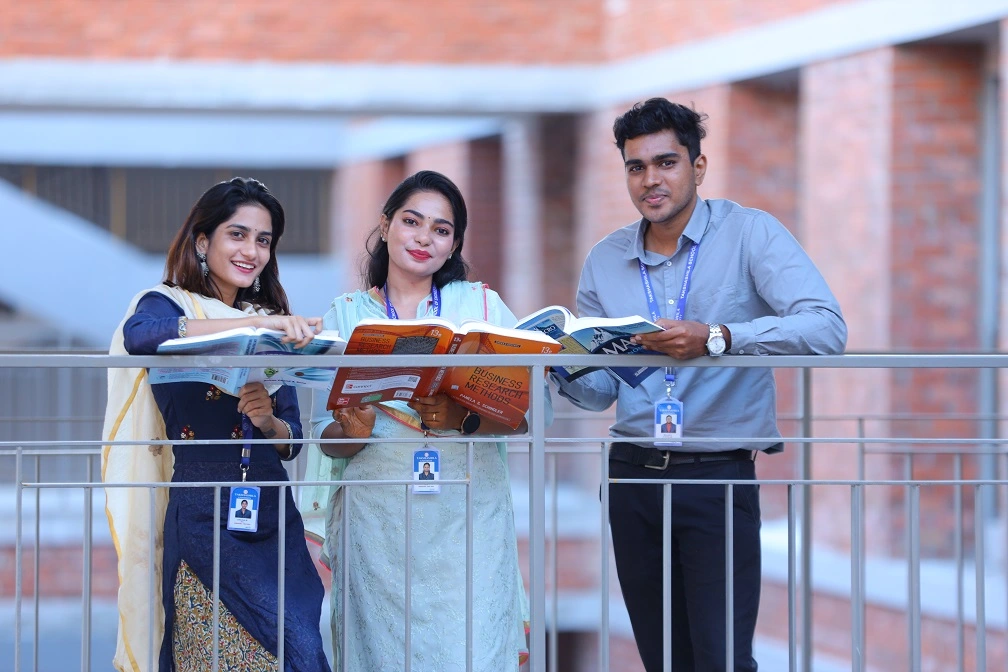
At Takshashila University, the B.Sc. in Cardiology Technology offers you a hands-on learning experience with access to modern labs, real-world clinical settings, and mentorship from experienced professionals.
What you can look forward to

Practical Learning
Gain hands-on experience in the latest cardiology diagnostic techniques, including ECGs, echocardiograms, and stress tests.
Collaborative Environment
Work alongside cardiologists, nurses, and other healthcare professionals to gain a well-rounded understanding of patient care.

Industry Exposure
Take part in internships and clinical placements in renowned hospitals and diagnostic centres, enhancing your practical knowledge and skills.

Student Support
Our faculty and staff provide ongoing guidance, helping you succeed in your academic and professional journey.
Spread over 150 acres
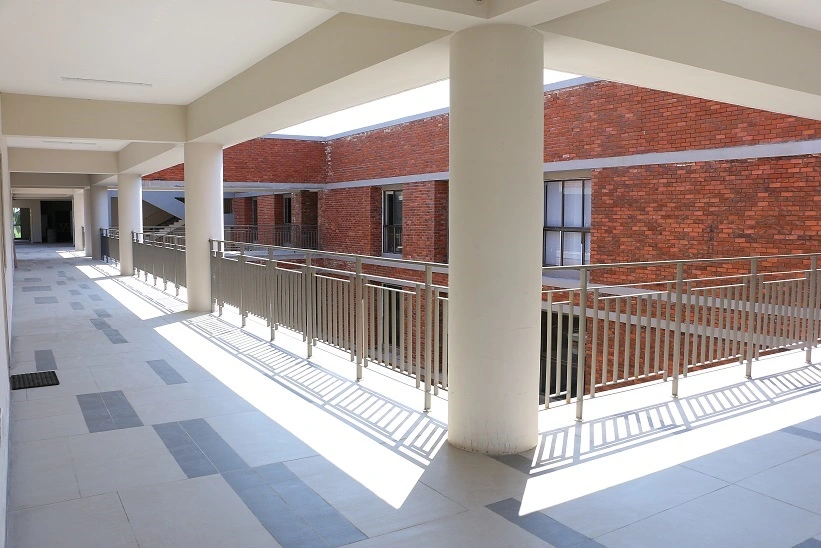
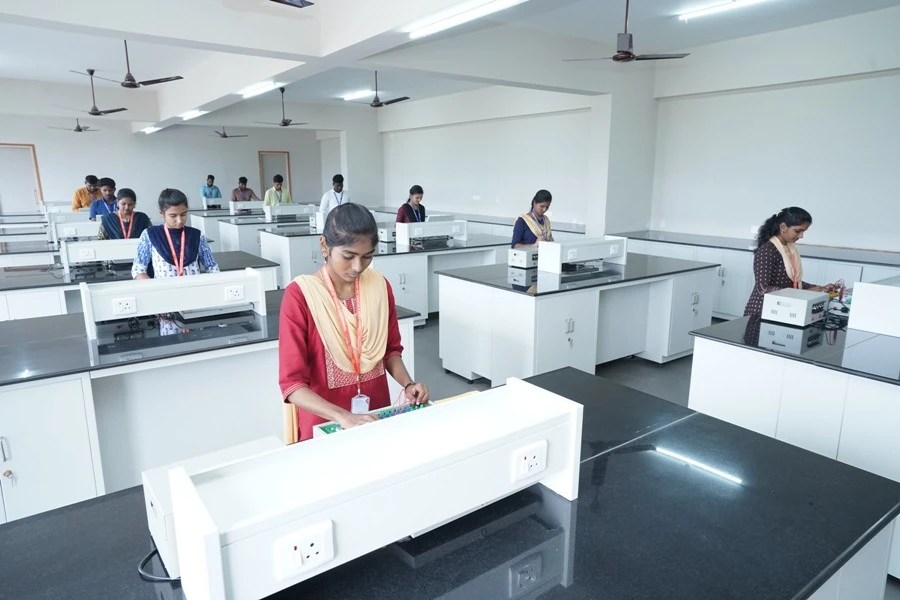
At Takshashila University, you will have ample opportunities to hone your skills in real-world healthcare settings, utilising state-of-the-art medical facilities and simulation labs on our 150-acre campus.




Apply to the Best Bachelor of Cardiovascular Technology College in Tamil Nadu
FAQs
1. Which Is the Best Bachelor of Cardiovascular Technology College in Tamil Nadu?
Takshashila University is among the best Bachelor of Cardiovascular Technology colleges in Tamil Nadu, offering advanced cardiac laboratories, experienced faculty, hospital-based clinical training, internships, and placement support for aspiring cardiovascular technologists.
2. What Is Bachelor of Cardiovascular Technology?
Bachelor of Cardiovascular Technology (BCVT) is a four-year undergraduate programme that trains students in cardiac diagnostics, echocardiography, electrocardiography (ECG), cardiac catheterization, and patient care to support cardiologists in diagnosing and treating heart diseases.
3. Why Choose Bachelor of Cardiovascular Technology at Takshashila University?
Takshashila University offers industry-focused education with modern cardiac laboratories, experienced faculty, hospital training, research opportunities, internships, and placement assistance to help students build successful careers in cardiac healthcare.
4. How Can I Apply for Bachelor of Cardiovascular Technology Admission in Tamil Nadu?
Students who have completed Higher Secondary education with Physics, Chemistry, and Biology and meet the university’s eligibility criteria can apply for Bachelor of Cardiovascular Technology admission at Takshashila University.
5. What Is the Eligibility Criteria for Bachelor of Cardiovascular Technology in Tamil Nadu?
Students who have completed Class 12 with Physics, Chemistry, Biology, or an equivalent qualification from a recognised board are generally eligible to apply for the programme.
6. What Is the Duration of the Bachelor of Cardiovascular Technology Course?
The Bachelor of Cardiovascular Technology programme is a four-year undergraduate degree that combines classroom learning, laboratory practicals, clinical postings, internships, and hospital-based training.
7. What Subjects Are Covered in Bachelor of Cardiovascular Technology?
The curriculum includes Human Anatomy, Physiology, Cardiac Anatomy, Electrocardiography, Echocardiography, Cardiac Catheterization, Cardiac Pharmacology, Critical Care Technology, and Diagnostic Procedures.
8. What Is the Bachelor of Cardiovascular Technology Fee Structure in Tamil Nadu?
The Bachelor of Cardiovascular Technology fee structure varies among institutions. Takshashila University provides transparent fee details and admission guidance during the application process.
9. Does Takshashila University Offer Scholarships for Bachelor of Cardiovascular Technology Students?
Yes. Takshashila University offers scholarships for eligible students based on academic performance and the university’s scholarship policy.
10. Are Internship Opportunities Available for Cardiovascular Technology Students?
Yes. Students receive practical clinical training through internships in cardiac hospitals, catheterization laboratories, intensive care units, and multispecialty healthcare centres.
11. What Is the Scope of Cardiovascular Technology in Tamil Nadu?
Cardiovascular Technology offers excellent career opportunities in heart hospitals, diagnostic centres, catheterization laboratories, research institutions, cardiac rehabilitation centres, and healthcare organizations.
12. What Career Options Are Available After Bachelor of Cardiovascular Technology?
Graduates can work as Cardiovascular Technologists, Cath Lab Technologists, Cardiac Sonographers, Echocardiography Technicians, Cardiac Care Specialists, Clinical Application Specialists, and Research Associates.
13. Can Bachelor of Cardiovascular Technology Graduates Get Government Jobs?
Yes. Graduates can apply for careers in government hospitals, medical colleges, cardiac care centres, public healthcare departments, and government healthcare organizations.
14. How Are the Placement Opportunities for Cardiovascular Technology Students?
Takshashila University supports placements through hospital collaborations, internships, career guidance, campus recruitment, and partnerships with leading healthcare providers.
15. Can I Study Abroad After Completing Bachelor of Cardiovascular Technology?
Yes. Graduates can pursue postgraduate programmes abroad in Cardiovascular Technology, Cardiac Sciences, Healthcare Management, Clinical Research, and related healthcare disciplines.
16. What Entrance Exams Are Required for Bachelor of Cardiovascular Technology in Tamil Nadu?
Admission requirements vary among institutions. Students should refer to the latest admission guidelines of Takshashila University for eligibility and admission details.
17. What Salary Can I Expect After Completing Bachelor of Cardiovascular Technology?
Salary depends on technical expertise, experience, employer, and specialization. Skilled Cardiovascular Technology graduates can earn competitive salary packages in hospitals and cardiac care centres.
18. What Is the Future Scope of Cardiovascular Technology?
The future of Cardiovascular Technology is growing rapidly with advancements in minimally invasive cardiology, AI-assisted diagnostics, cardiac imaging, robotic procedures, and digital healthcare.
19. Who Are the Top Recruiters for Cardiovascular Technology Graduates?
Graduates are recruited by multispecialty hospitals, cardiac hospitals, heart institutes, diagnostic centres, healthcare organizations, medical device companies, and research institutions.
20. What Industry Trends Are Shaping Cardiovascular Technology Careers?
Emerging trends include AI-powered cardiac diagnostics, 3D cardiac imaging, robotic-assisted cardiology, wearable heart monitoring devices, structural heart procedures, and digital cardiovascular healthcare.